1. Starting Area
The race begins at the starting line where riders prepare mentally and physically.
Important Features
- Team lineup
- Warm-up area
- Neutral start section
- Safety checks
- Race instructions
Rider Goals
- Stay calm
- Avoid crashes
- Maintain position
- Save energy early
2. Flat Road Sections
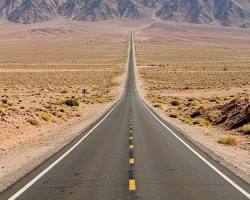
Flat roads are usually the fastest parts of the race.
Characteristics
- High-speed riding
- Long straight roads
- Strong group riding
- Sprint opportunities
Advantages
- Faster average speed
- Easier drafting
- Better teamwork
Challenges
- Crosswinds
- Crashes in large groups
- High competition among sprinters
3. Rolling Hills
Rolling terrain includes repeated small climbs and descents.
Features
- Constant elevation changes
- Technical riding
- Short uphill attacks
Benefits for Riders
- Opportunities for breakaways
- Good terrain for aggressive riders
- Tests endurance and recovery
Difficulties
- Energy loss
- Continuous effort changes
- Hard pacing strategy
4. Mountain Climbs
Mountain stages are the hardest sections in cycling races.
Important Elements
- Long climbs
- Steep gradients
- Thin mountain air
- Technical roads
What Climbers Need
- Strong endurance
- Lightweight body
- Good breathing control
- Mental strength
Common Climbing Strategies
- Maintain steady cadence
- Attack near summit
- Control heart rate
- Stay hydrated
5. Downhill Descents
Descents are dangerous but exciting parts of cycling routes.
Key Features
- High-speed riding
- Sharp corners
- Technical control
Skills Required
- Bike handling
- Balance
- Braking control
- Fast reactions
Risks
- Crashes
- Sliding on wet roads
- Mechanical problems
6. Sprint Finish

The final section is often the most dramatic moment of the race.
Features
- Maximum speed
- Team lead-outs
- Explosive power
Sprint Rider Goals
- Find best position
- Save energy before final attack
- Accelerate at perfect time
Finish Line Atmosphere
- Large crowds
- Team celebrations
- Media coverage
- Excitement and pressure
Types of Cycling Race Routes
Flat Race Routes
Best For
- Sprinters
- Fast riders
- Strong teams
Characteristics
- Less climbing
- High average speeds
- Large peloton riding
Mountain Race Routes
Best For
- Climbers
- Endurance riders
Characteristics
- Steep roads
- High elevation gain
- Difficult weather conditions
Time Trial Routes
Features
- Individual racing
- Aerodynamic bikes
- Race against the clock
Rider Focus
- Maintain power
- Aerodynamic position
- Smooth pacing
Important Race Route Strategies
Drafting
Drafting means riding behind another cyclist to reduce wind resistance.
Benefits
- Saves energy
- Improves efficiency
- Helps maintain speed
Breakaways
A breakaway happens when riders attack ahead of the main group.
Reasons for Breakaways
- Gain time advantage
- Win stage
- Create pressure on rivals
Team Support
Cycling depends heavily on teamwork.
Team Responsibilities
- Protect team leader
- Control race pace
- Provide food and water
- Chase attacks
Nutrition During a Cycling Race
Cyclists need proper fueling during long routes.
Common Race Foods
- Energy gels
- Bananas
- Energy bars
- Electrolyte drinks
Importance of Hydration
- Prevents cramps
- Maintains energy
- Reduces fatigue
Cycling Equipment Used in Races
Racing Bicycle
Modern road bikes are:
- Lightweight
- Aerodynamic
- Carbon fiber built
Helmet
Purpose
- Rider safety
- Aerodynamics
Cycling Shoes
Benefits
- Better pedal efficiency
- Strong power transfer
Cycling Computer
Used to track:
- Speed
- Distance
- Heart rate
- Cadence
- Power
Weather Effects on Race Routes
Hot Weather
Problems
- Dehydration
- Fatigue
- Heat exhaustion
Solutions
- Drink regularly
- Use cooling methods
- Maintain electrolyte balance
Rainy Weather
Challenges
- Slippery roads
- Reduced visibility
- Dangerous corners
Wind Conditions
Effects
- Harder riding
- Peloton splits
- Tactical racing
Training for Cycling Race Routes
Professional riders train differently depending on the route.
Endurance Training
- Long rides
- Steady pacing
Climbing Training
- Hill repeats
- Low cadence efforts
Sprint Training
- Short explosive intervals
- High-speed acceleration
Recovery Training
- Easy rides
- Stretching
- Proper sleep
Mental Strength in Cycling
Cycling races require strong mental focus.
Mental Challenges
- Fatigue
- Pain
- Pressure
- Weather conditions
Mental Skills
- Patience
- Confidence
- Tactical thinking
- Concentration
Safety Measures in Cycling Races
Race organizers prioritize rider safety.
Safety Systems
- Medical teams
- Road barriers
- Police support
- Race marshals
Rider Protection
- Helmets
- Gloves
- Glasses
- Proper equipment checks
Famous Cycling Race Routes
Tour de France
Famous For
- Alpine climbs
- Long stages
- Historic competition
Giro d’Italia
Famous For
- Beautiful Italian scenery
- Difficult mountain roads
Vuelta a España
Famous For
- Steep climbs
- Hot conditions
- Aggressive racing
Benefits of Cycling Races
Physical Benefits
- Strong cardiovascular fitness
- Improved endurance
- Better muscle strength
Mental Benefits
- Discipline
- Confidence
- Stress reduction
Social Benefits
- Teamwork
- Friendships
- Community support
Beauty of Cycling Routes
Cycling races pass through:
- Mountains
- Villages
- Forests
- Rivers
- Coastal roads
- Historic towns
Riders experience both competition and natural beauty during races.
Conclusion
Cycling race routes are an essential part of professional cycling. Every route creates unique tactical and physical challenges. Flat roads favor sprinters, mountains test climbers, and rolling terrain rewards aggressive riders.
A successful cyclist must combine:
- Fitness
- Strategy
- Teamwork
- Mental strength
- Proper nutrition
Cycling races are more than competitions. They represent endurance, determination, teamwork, and adventure. The excitement of fast sprints, difficult climbs, and scenic roads makes cycling one of the most respected sports in the world.
Leave a Reply