
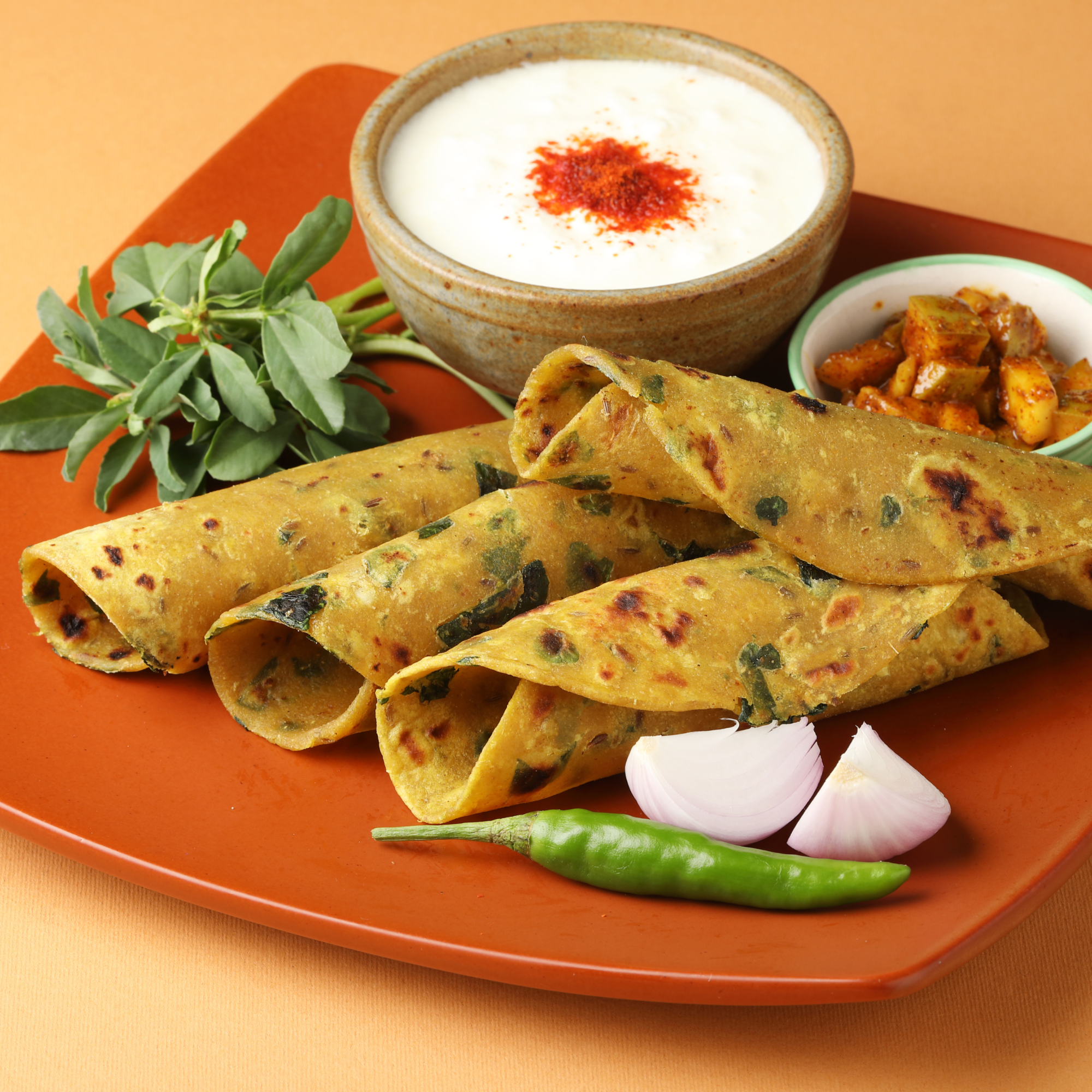
Thepla – A Gujarati Breakfast Classic Through the Eyes of a Chef
If there is one dish that perfectly captures the spirit of Gujarati cuisine—simple, nourishing, travel-friendly, and deeply flavorful—it is the humble yet extraordinary thepla. As a chef who has spent years understanding regional Indian food, I can confidently say that thepla is not just a breakfast item; it is a cultural identity wrapped in layers of whole wheat and spices.
In this article, I’ll take you beyond the basic recipe and into the soul of thepla—its origins, variations, techniques, and the small professional secrets that elevate it from good to unforgettable.
What is Thepla?
At its core, thepla is a soft, thin Indian flatbread made primarily from whole wheat flour, spices, and herbs. Unlike plain roti or chapati, thepla is enriched with ingredients like fenugreek leaves (methi), yogurt, and spices, giving it a distinct taste and longer shelf life.
What makes thepla truly special is its versatility—it can be eaten for breakfast, packed for travel, served as a snack, or even paired with a full meal.
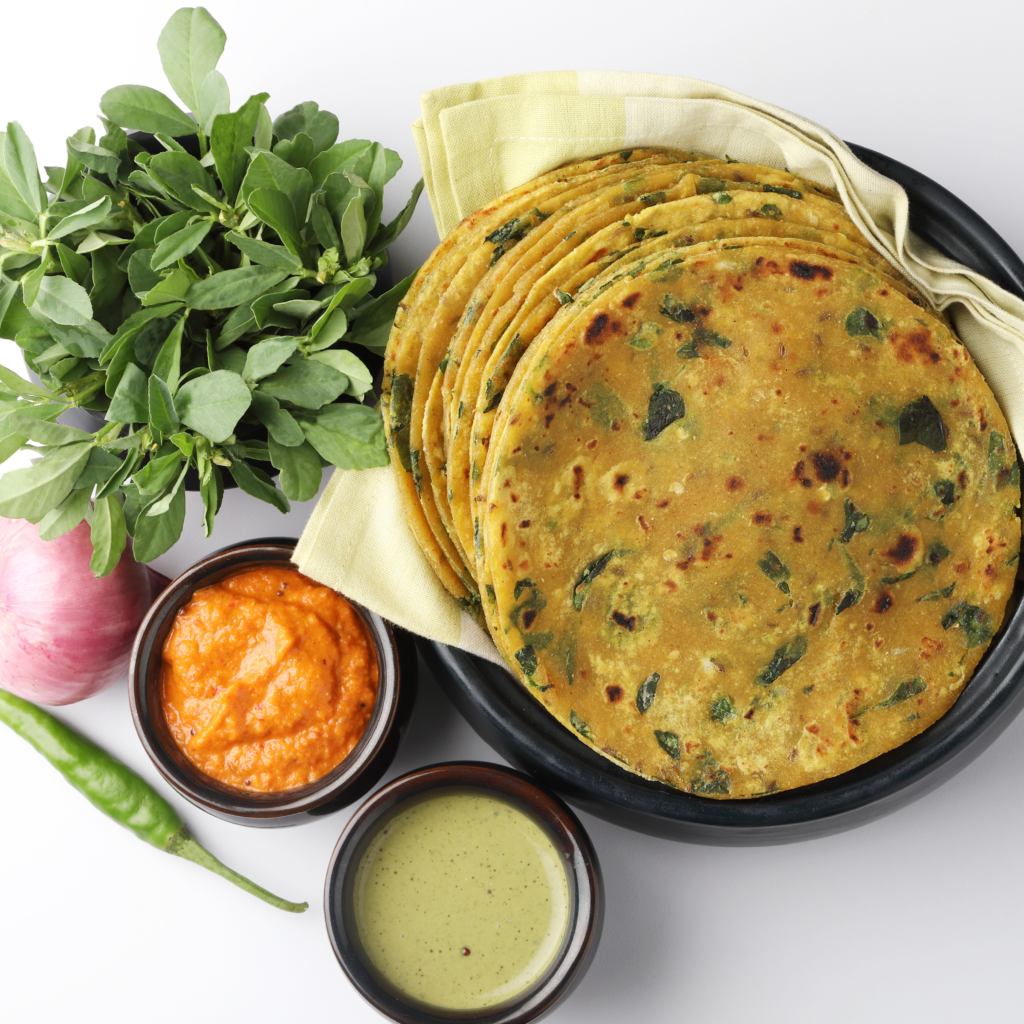
The Cultural Significance of Thepla
In Gujarati households, thepla is more than food—it’s tradition. Growing up or working closely with Gujarati families, I’ve seen how thepla is almost always part of travel plans. Whether it’s a long train journey or a road trip, thepla is the first thing packed.
Why? Because it stays fresh for days without refrigeration.
From a chef’s perspective, that’s brilliant food engineering—natural preservation through spices, oil, and low moisture cooking.
Ingredients: Simplicity with Depth
A classic thepla uses pantry staples, but the magic lies in balance.
Basic Ingredients:
- Whole wheat flour
- Fresh fenugreek leaves (methi)
- Yogurt (curd)
- Turmeric powder
- Red chili powder
- Cumin seeds
- Salt
- Oil
Optional Enhancers (Chef’s Touch):
- Ginger-green chili paste for depth
- Sesame seeds for texture
- Ajwain (carom seeds) for digestion
- Kasuri methi when fresh methi isn’t available
As a chef, I always emphasize this: quality ingredients define thepla. Fresh methi leaves, in particular, make a noticeable difference in aroma and flavor.
Step-by-Step Preparation (Chef Style)
Let me guide you the way I train my kitchen staff—focused on technique, not just steps.
1. Preparing the Dough
Start by mixing flour, chopped methi, spices, and seeds in a bowl. Add yogurt and a little oil.
Now comes the key part: kneading.
Instead of adding too much water at once, add it gradually. You’re aiming for a soft but slightly firm dough—not as soft as chapati dough.
Chef Tip:
Let the dough rest for at least 10–15 minutes. This allows the gluten to relax and makes rolling easier.
2. Rolling the Thepla
Divide the dough into equal portions and roll them into thin discs.
Unlike parathas, thepla should be thin and even.
Common mistake: Rolling too thick makes it chewy instead of soft.
3. Cooking on Tawa
Heat a flat pan (tawa) and cook each thepla on medium heat.
Flip once bubbles appear, then apply a small amount of oil and cook both sides until light golden spots form.
Chef Insight:
Avoid high heat—it burns the outside while leaving the inside undercooked.
Texture & Flavor: What Makes a Perfect Thepla?
A well-made thepla should be:
- Soft yet slightly crisp on edges
- Lightly spiced—not overpowering
- Aromatic with hints of methi and cumin
- Flexible (it should fold without breaking)
This balance is what separates a home cook from a skilled chef.
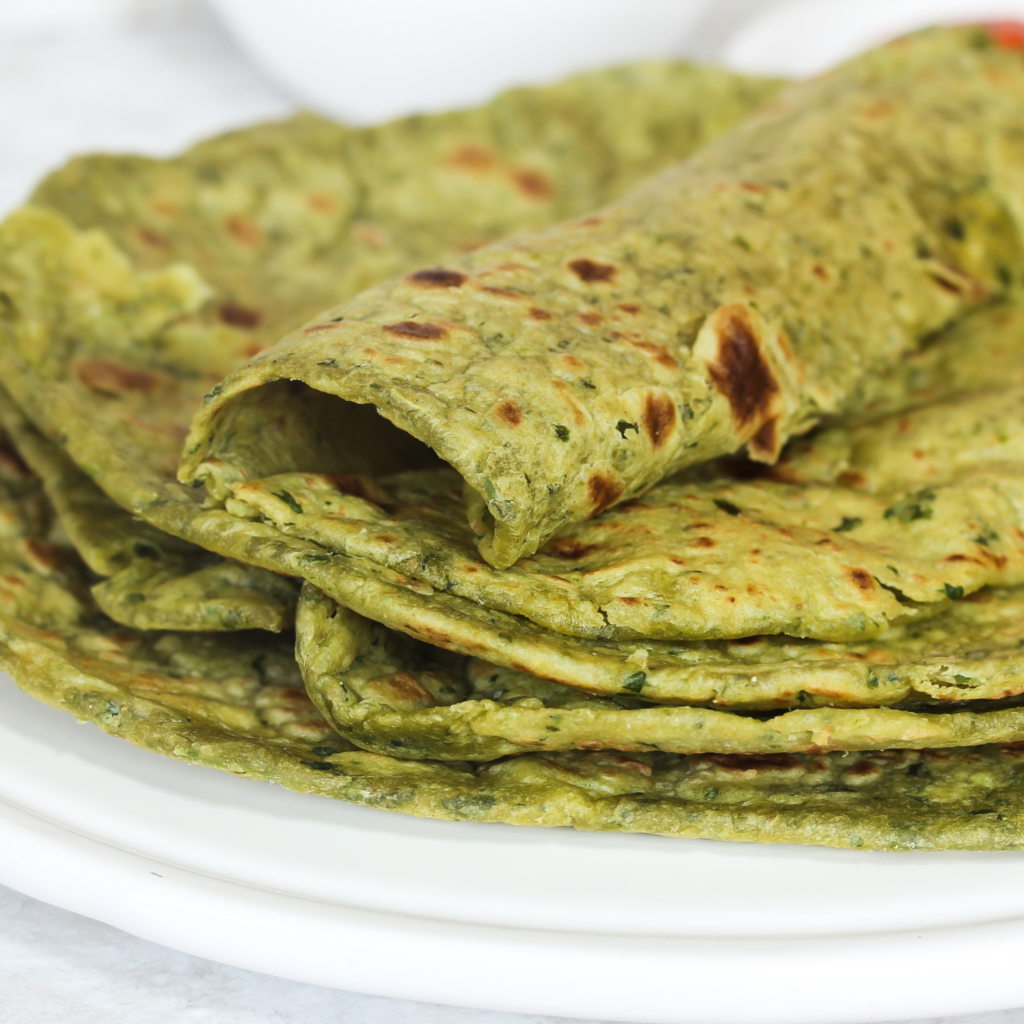
Variations of Thepla
One of the reasons thepla remains relevant is its adaptability. Over the years, I’ve experimented with multiple versions in my kitchen.
1. Methi Thepla (Classic)
The most popular version, made with fresh fenugreek leaves.
2. Dudhi (Bottle Gourd) Thepla
Grated bottle gourd adds moisture and softness.
3. Plain Masala Thepla
Perfect when greens are not available.
4. Multigrain Thepla
A healthier twist using millet, jowar, or bajra flour.
5. Beetroot or Spinach Thepla
Modern variations that add color and nutrition—great for kids and presentations.
Nutritional Value
From a nutritional standpoint, thepla is a balanced dish.
- Carbohydrates: From whole wheat flour
- Fiber: Especially from methi and multigrain versions
- Healthy fats: Minimal oil used in cooking
- Vitamins & minerals: From herbs and spices
As a chef, I often recommend thepla to clients who want something wholesome yet flavorful.
Best Accompaniments
Thepla is rarely eaten alone. Pairing enhances its experience.
Traditional Pairings:
- Fresh yogurt (curd)
- Mango pickle
- Chhundo (sweet mango preserve)
Modern Pairings:
- Mint chutney
- Garlic chutney
- Masala chai
Chef Recommendation:
Serve warm thepla with chilled yogurt and spicy pickle—this contrast is unbeatable.
Storage & Shelf Life
One of the strongest advantages of thepla is its longevity.
- Stays fresh for 2–3 days at room temperature
- Up to a week when refrigerated
Chef Trick:
Add a little extra oil in the dough when making for travel—it helps retain moisture longer.
Common Mistakes to Avoid
Even experienced cooks can go wrong with thepla. Here’s what to watch out for:
- Too much water in dough – makes rolling difficult
- Skipping rest time – results in tight dough
- Overcooking – makes thepla dry
- Too much spice – masks the natural flavor of methi
My Personal Approach as a Chef
Over the years, I’ve learned that thepla is less about complexity and more about intuition.
When I prepare thepla, I don’t just follow a recipe—I feel the dough, adjust seasoning by aroma, and control heat by instinct. That’s what experience brings.
I also believe in respecting tradition while embracing innovation. Whether it’s a classic methi thepla or a beetroot-infused version plated in a fine dining style, the essence must remain intact.
Read also: how to make crispy paneer
Why Thepla is Still Relevant Today
In today’s fast-paced lifestyle, people look for food that is:
- Quick to prepare
- Nutritious
- Travel-friendly
Thepla checks all these boxes.
It’s also gaining popularity beyond Gujarat, becoming a staple in Indian households across the country and even globally.
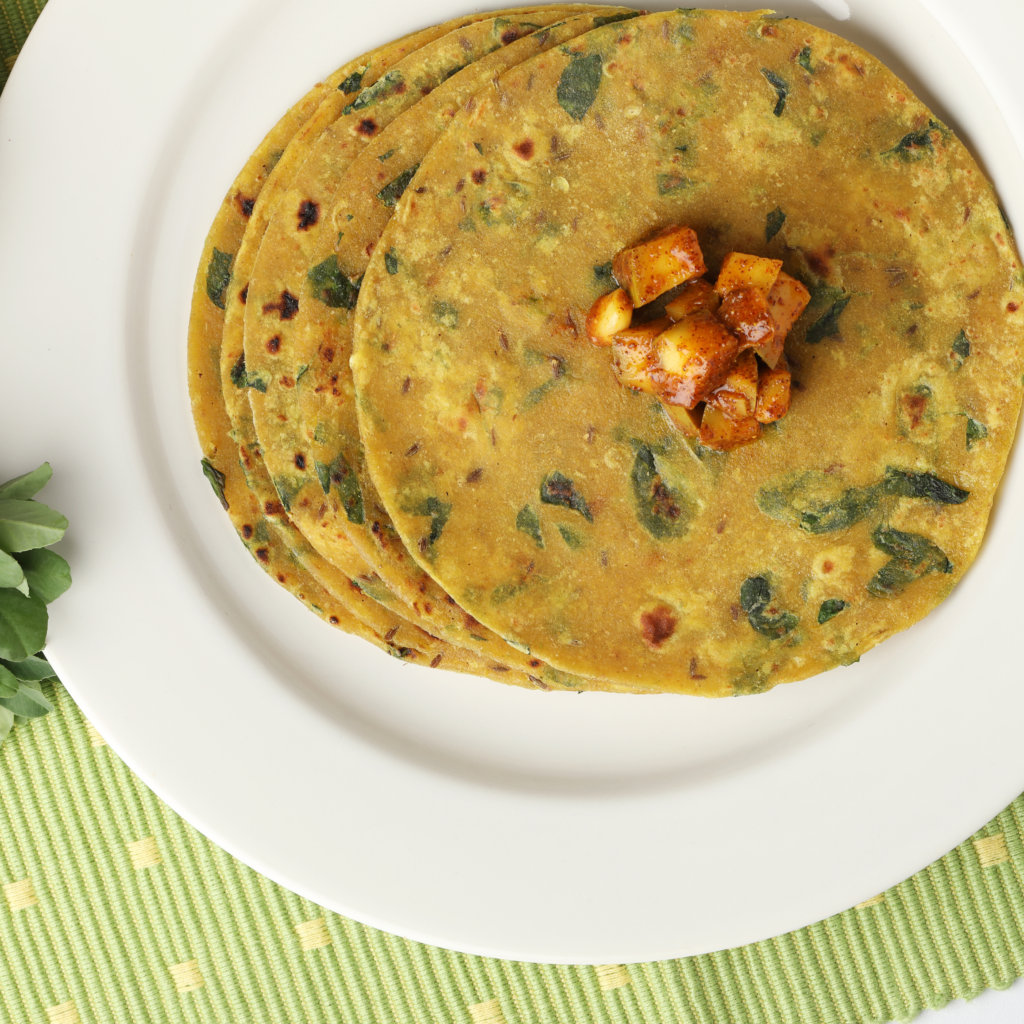
Final Thoughts
Thepla may look simple, but mastering it requires understanding balance, texture, and timing. As a chef, I see it as a perfect example of how minimal ingredients can create something deeply satisfying.
If you’re someone who loves cooking—or wants to start—begin with thepla. It teaches you fundamentals like dough handling, spice balance, and heat control.
And once you master it, you’ll realize that this Gujarati breakfast is not just food—it’s an experience.