
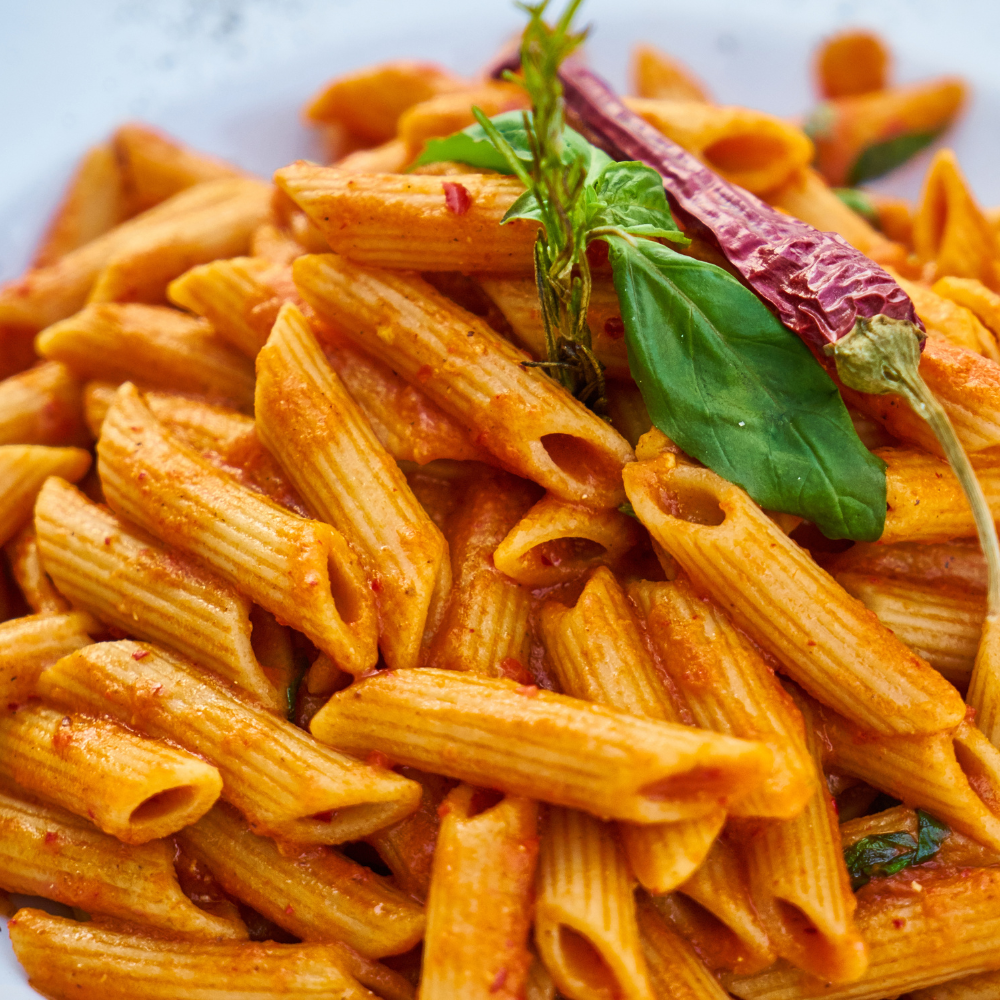
How to Make Pasta Like an Experienced Chef: A Complete Guide
If there’s one dish that beautifully balances simplicity and sophistication, it’s pasta. As someone who has spent years in the kitchen, I can confidently say that making great pasta is not about following a recipe blindly—it’s about understanding ingredients, respecting techniques, and developing a feel for the process.
In this guide, I’ll walk you through how I approach pasta making—from selecting ingredients to plating a dish that feels restaurant-worthy. Whether you’re a beginner or someone looking to refine your skills, this will help you elevate your pasta game.
Understanding Pasta: The Foundation
Before we even step into cooking, you need to understand what pasta really is. At its core, pasta is a combination of flour and liquid—usually eggs or water. But the magic lies in how these simple ingredients are treated.
There are two main types of pasta:
- Fresh Pasta – Soft, delicate, and ideal for creamy or light sauces
- Dried Pasta – Firm, holds shape well, perfect for heavier sauces
As a chef, I always decide the type of pasta based on the sauce I want to create.
Choosing the Right Ingredients
1. Flour Matters More Than You Think
If you’re making fresh pasta, your flour choice will define the texture.
- All-purpose flour – Easy to work with, good for beginners
- Semolina flour – Gives a firmer bite and authentic texture
- “00” flour – Fine, silky texture used in traditional Italian pasta
My personal approach? I often mix semolina and “00” flour to get the perfect balance of elasticity and bite.
2. Eggs vs Water
- Egg-based dough – Rich, smooth, and ideal for dishes like fettuccine
- Water-based dough – Lighter, often used for rustic or regional styles
If I want a luxurious feel, I always go with eggs.
3. Salt and Olive Oil
Salt enhances flavor, but here’s a chef’s tip:
Never over-salt your dough. Most of the seasoning comes later—from the sauce and pasta water.
A small drizzle of olive oil can help with smoothness, but it’s optional.
Making Fresh Pasta Dough (Step-by-Step)
Now let me walk you through how I personally make pasta dough in my kitchen.
Step 1: Create a Flour Well
Place your flour on a clean surface and form a well in the center. Crack eggs into the middle.
This isn’t just tradition—it gives you full control over mixing.
Step 2: Combine Gradually
Using a fork, slowly mix the eggs into the flour. Don’t rush this process.
Once it starts coming together, use your hands to form a dough.
Step 3: Kneading (The Most Important Step)
Kneading develops gluten, which gives pasta its structure.
- Knead for 8–10 minutes
- The dough should feel smooth and slightly firm
- If sticky → add flour
- If dry → add a few drops of water
As a chef, I always say: Your hands should tell you when it’s ready.
Step 4: Rest the Dough
Wrap the dough and let it rest for 20–30 minutes.
This step is non-negotiable. It relaxes the gluten and makes rolling easier.
Rolling and Shaping Pasta
Now comes the fun part—shaping your pasta.
Using a Rolling Pin or Machine
- Divide dough into small portions
- Roll thin sheets (almost translucent)
- Dust lightly with flour to prevent sticking
If you’re using a machine, gradually reduce thickness settings.
Popular Shapes You Can Make
- Fettuccine – Long, flat ribbons
- Tagliatelle – Slightly thinner than fettuccine
- Pappardelle – Wide and bold
- Ravioli – Stuffed pasta
As an experienced chef, I recommend starting simple. Master ribbons before attempting filled pasta.
Cooking Pasta Perfectly
Cooking pasta is where many people go wrong. It’s simple—but precision matters.
1. Use Plenty of Water
Always cook pasta in a large pot. Pasta needs space to move freely.
2. Salt the Water Generously
Your pasta water should taste like the sea.
This is your only chance to season the pasta itself.
3. Timing is Everything
- Fresh pasta: 2–4 minutes
- Dried pasta: Follow package instructions, but always taste
You’re aiming for al dente—firm but cooked.
4. Reserve Pasta Water
Before draining, save a cup of pasta water.
This starchy water is liquid gold—it helps sauces cling beautifully.
Making the Sauce: My Professional Approach
A great pasta dish is about harmony between pasta and sauce.
Let me share how I approach sauces in my kitchen.
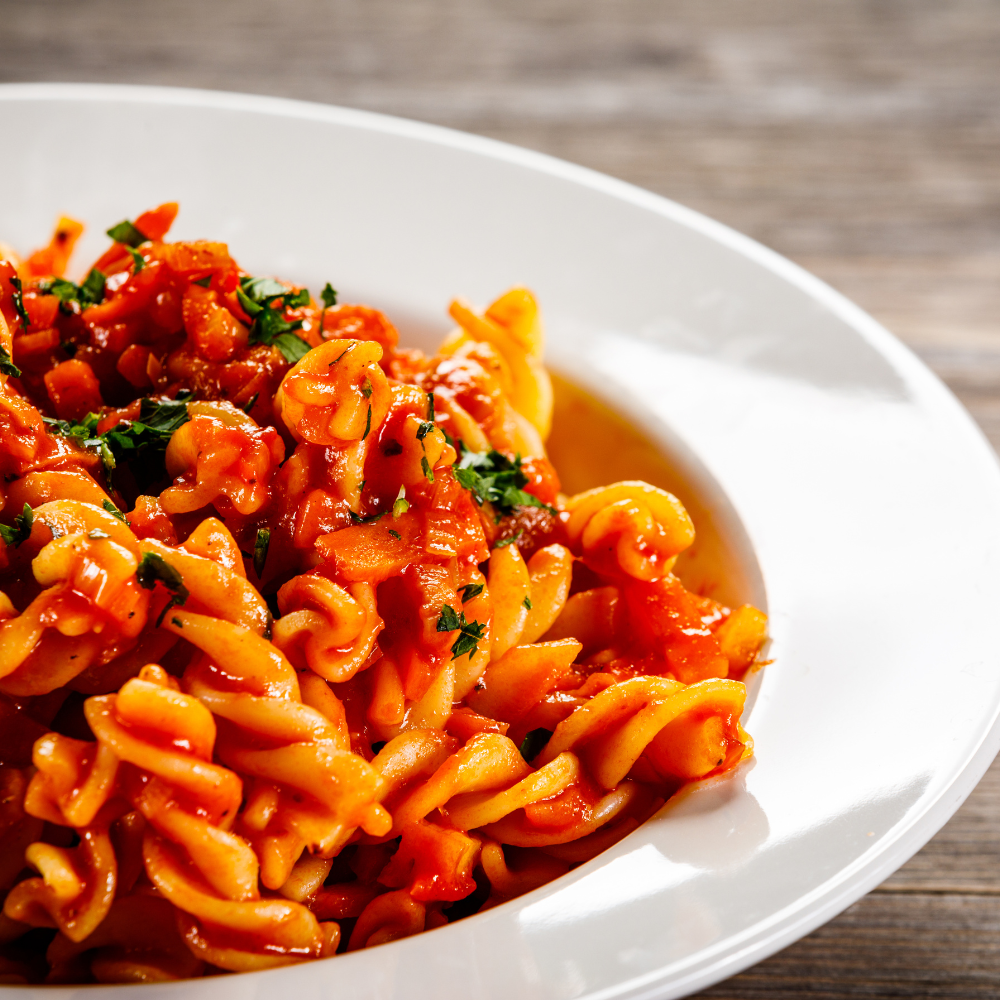
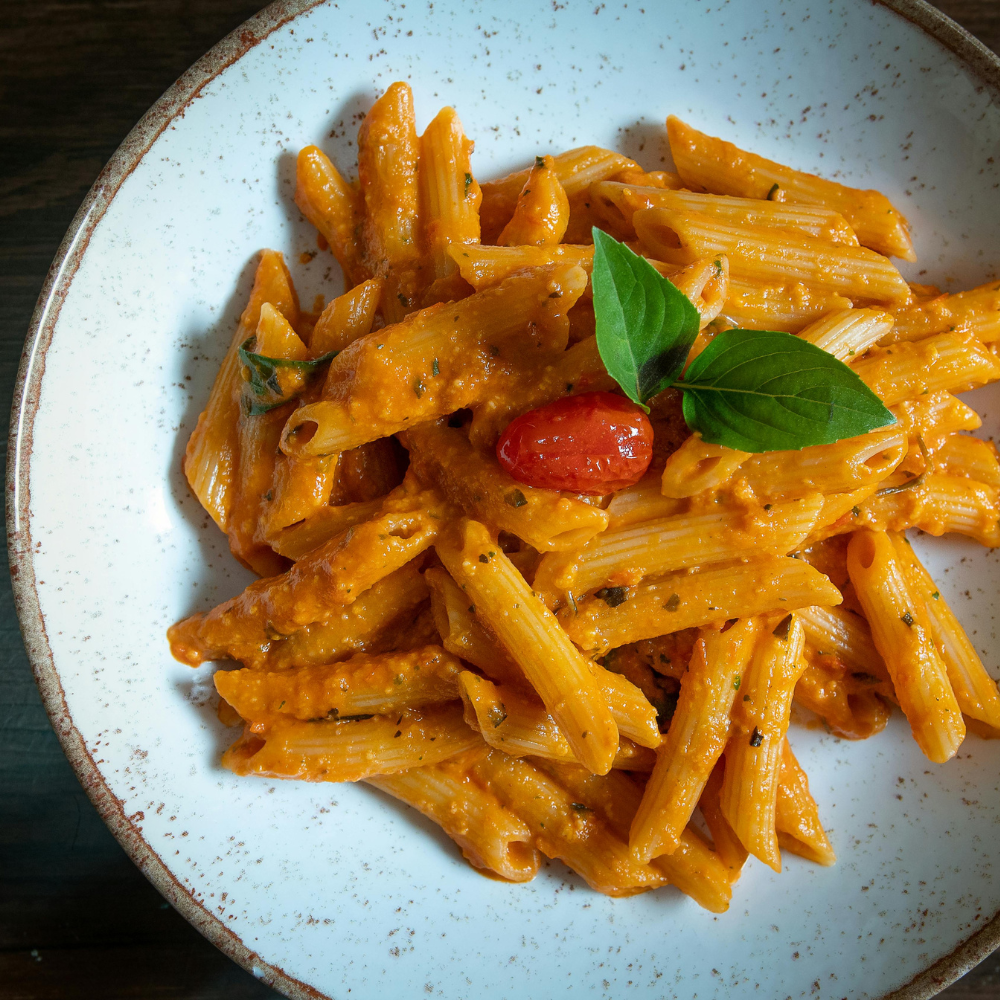
1. Tomato-Based Sauce
Simple, classic, and full of flavor.
Ingredients:
- Olive oil
- Garlic
- Tomatoes (fresh or canned)
- Salt, pepper, herbs
Cook slowly to develop depth.
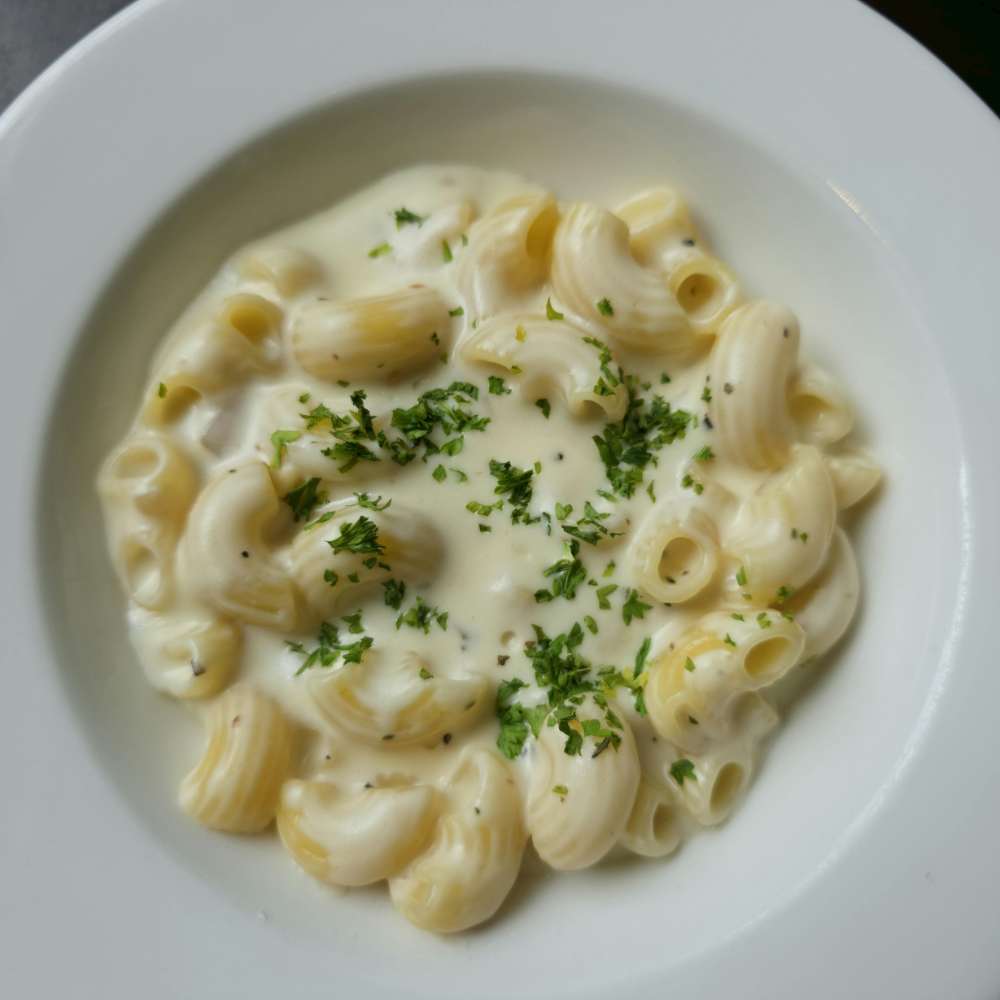
2. Cream-Based Sauce
Rich and indulgent.
Key tip: Never boil cream aggressively—it can split. Keep heat low and controlled.
3. Oil-Based Sauce
Minimal but elegant.
Example: Garlic, olive oil, chili flakes.
This is where ingredient quality matters most.
Bringing It All Together
This is where you transform pasta into a dish.
Step 1: Combine Pasta and Sauce in Pan
Never pour sauce over pasta on a plate.
Instead:
- Add pasta to the sauce
- Toss gently on heat
Step 2: Add Pasta Water
This helps emulsify the sauce, making it silky and cohesive.
Step 3: Finish with Fat
A knob of butter or a drizzle of olive oil enhances flavor and texture.
Step 4: Garnish Thoughtfully
- Fresh herbs
- Parmesan cheese
- Cracked pepper
Keep it simple—don’t overpower the dish.
Chef’s Secrets for Perfect Pasta
Let me share a few insights that truly elevate your cooking.
1. Balance is Key
Every dish should have:
- Saltiness
- Acidity
- Fat
If something feels off, adjust these elements.
2. Don’t Overcrowd Flavors
Less is more. Focus on a few ingredients and execute them well.
3. Taste Constantly
I taste at every stage—dough, sauce, final dish.
Your palate is your best tool.
4. Use Fresh Ingredients
Fresh herbs, good olive oil, and quality cheese make a massive difference.
Read also : how to make momos
Common Mistakes to Avoid
Even experienced cooks can slip up. Here’s what to watch out for:
- Overcooking pasta
- Not salting water
- Skipping dough resting time
- Using too much sauce
- Not finishing pasta in the sauce
Avoid these, and your pasta will instantly improve.
Creating a Restaurant-Style Presentation
Presentation matters—it’s part of the experience.
My plating approach:
- Use a wide plate or bowl
- Twirl pasta neatly using tongs
- Keep edges clean
- Add garnish at the end
A well-plated dish makes even simple pasta feel premium.
Final Thoughts
Making pasta is not just cooking—it’s a craft. The more you practice, the more intuitive it becomes.
As a chef, I can tell you this:
You don’t need complicated recipes to make great pasta. You need patience, attention to detail, and respect for ingredients.
Start simple. Master the basics. Then experiment.
Because once you truly understand pasta, you’re not just following recipes—you’re creating experiences.