
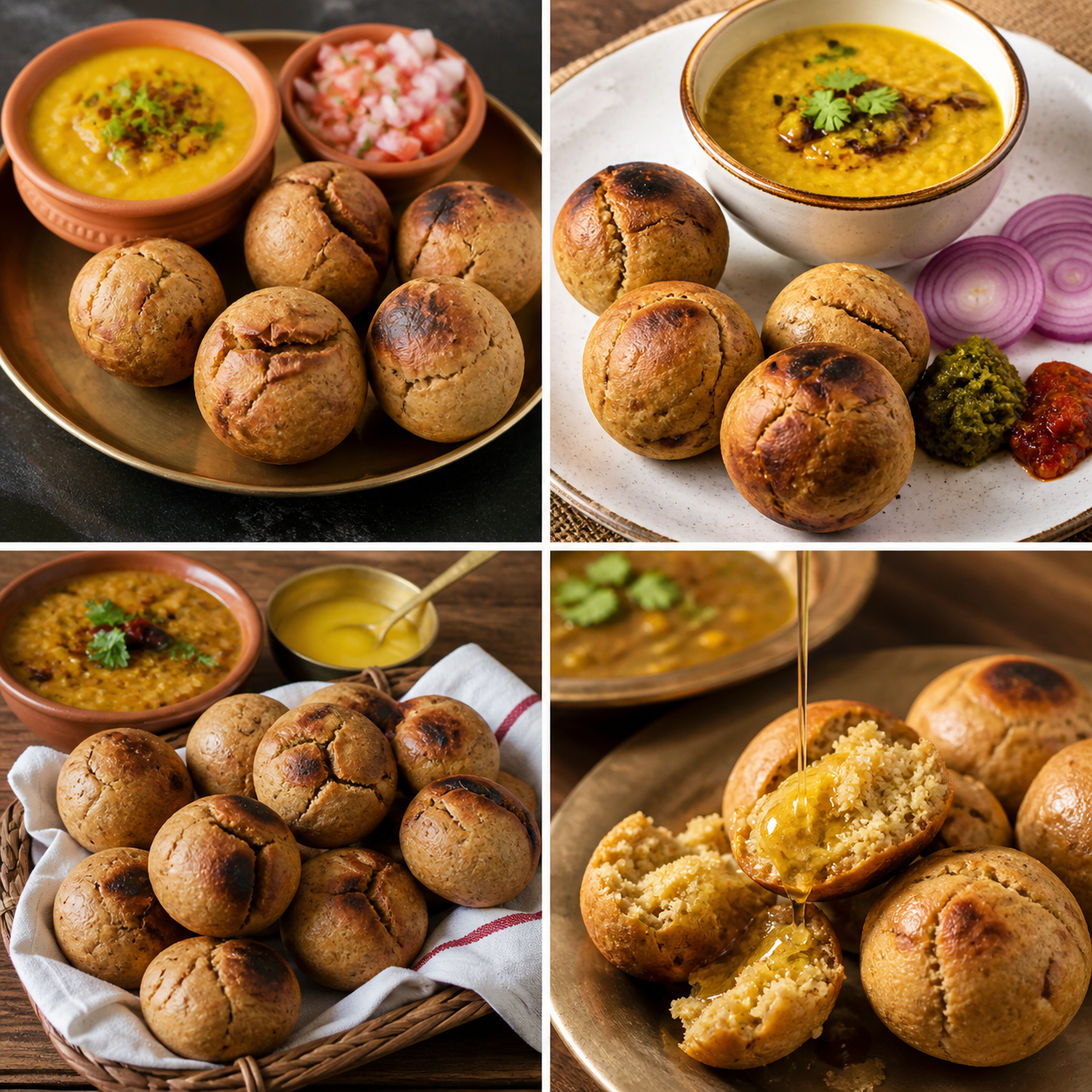
Dal Baati Churma: A Chef’s Journey Through Rajasthan’s Timeless Classic
As a chef who has spent years exploring India’s regional cuisines, I can confidently say that few dishes carry the depth, soul, and cultural richness of Dal Baati Churma. For me, this dish is not just a combination of lentils, bread, and sweetness—it is a story plated with intention. Every time I prepare it, I am reminded that great food is not about complexity; it is about understanding ingredients, respecting tradition, and delivering comfort through flavor.
This article is not just a description—it is my perspective, my method, and my philosophy as a chef who has cooked Dal Baati Churma countless times, refining technique while staying rooted in authenticity.
My First Encounter: Where Respect Began
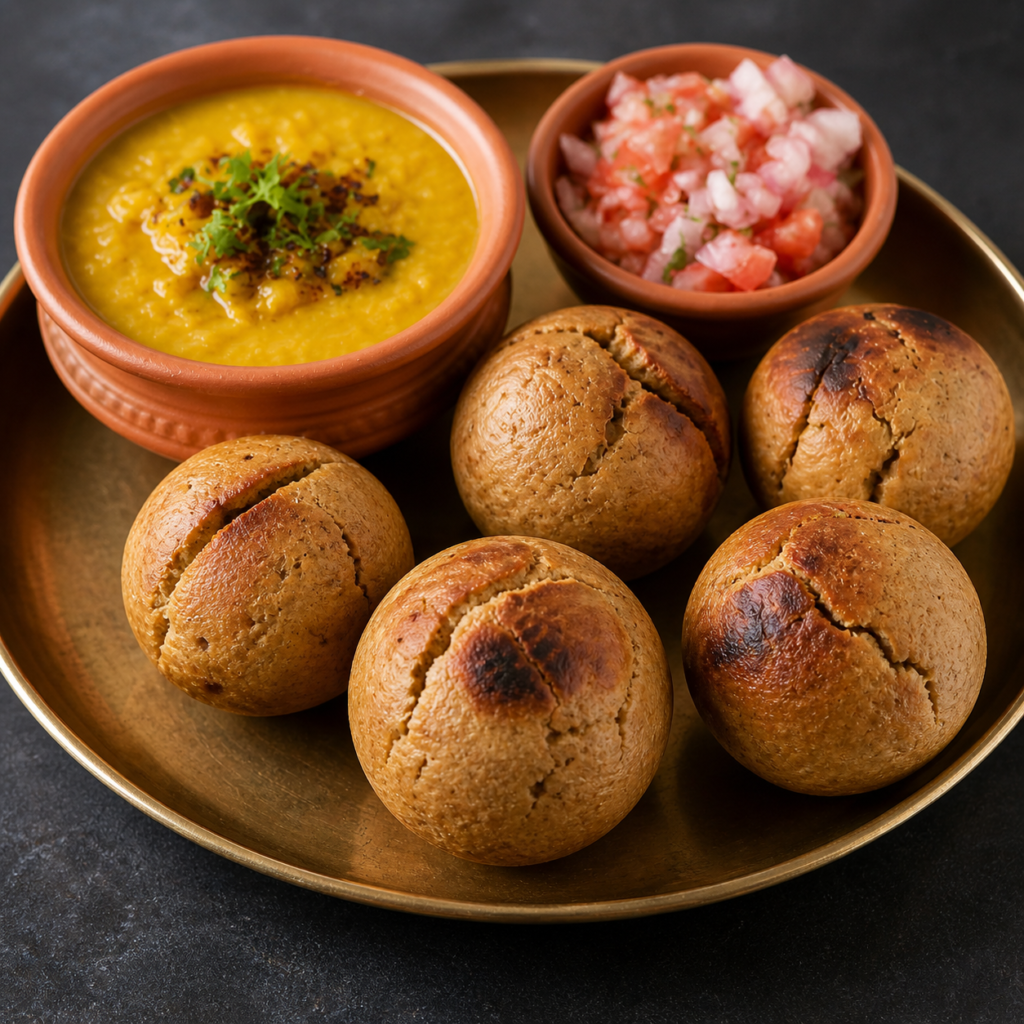
I still remember the first time I tasted Dal Baati Churma in a traditional Rajasthani household. It wasn’t served in a fancy kitchen or plated like fine dining. It came in a steel thali, with hot baatis dripping in ghee, a bowl of steaming dal, and a mound of churma that smelled of cardamom and warmth.
That meal taught me something important: this dish is about balance. Not just in taste—but in texture, temperature, and emotion. As a chef, I realized that mastering Dal Baati Churma is less about recipe precision and more about feeling the food.
Understanding the Foundation: The Three Pillars
From a professional kitchen perspective, Dal Baati Churma is built on three strong components. If even one is poorly executed, the entire dish loses its magic.
1. Dal – The Soul
In my kitchen, dal is never rushed. I use a blend—typically toor, chana, and moong dal. Each lentil plays a role. Toor brings body, chana adds bite, and moong provides softness.
The real art lies in tempering. I always say: “Your dal is only as good as your tadka.” I heat ghee—not oil—until it releases a nutty aroma. Then come cumin seeds, crushed garlic, a hint of asafoetida, and dried red chilies. Timing is critical. Burn the garlic, and you ruin the base. Undercook it, and the depth is lost.
Tomatoes and spices follow—turmeric, coriander powder, and a controlled amount of red chili. I avoid overpowering heat because the dal must complement, not dominate.
Slow simmering is my secret. Even after pressure cooking, I let the dal rest and cook on low flame. This allows flavors to marry naturally.
2. Baati – The Backbone
Baati is deceptively simple. Flour, ghee, salt, and water. But technique separates a good baati from a great one.
I knead the dough firm—not soft like roti dough. This ensures the baati holds structure during baking. A touch of semolina gives it texture, something I personally prefer.
Traditionally, baatis are cooked over open fire. In a modern kitchen, I replicate this by baking at high temperature and finishing with a slight char. The goal is contrast—a crisp exterior with a soft, crumbly interior.
But the defining moment comes after baking.
I crack the baati gently and immerse it in warm ghee. Not drizzle—immerse. This step is often misunderstood. The ghee doesn’t just add richness; it transforms the texture, making the baati absorb dal beautifully.
3. Churma – The Emotion
If dal is the soul and baati the body, churma is the heart.
Many underestimate churma, treating it as a side sweet. But in my approach, churma is essential for balance. Without it, the dish feels incomplete.
I prepare churma by crushing baked baatis while they are still warm. I mix in melted ghee, powdered sugar or jaggery, and finish with cardamom. Occasionally, I add roasted nuts for texture.
The key is consistency—not too fine, not too coarse. It should melt in the mouth but still offer a slight grainy bite.
In a professional kitchen, plating Dal Baati Churma is an art in itself.
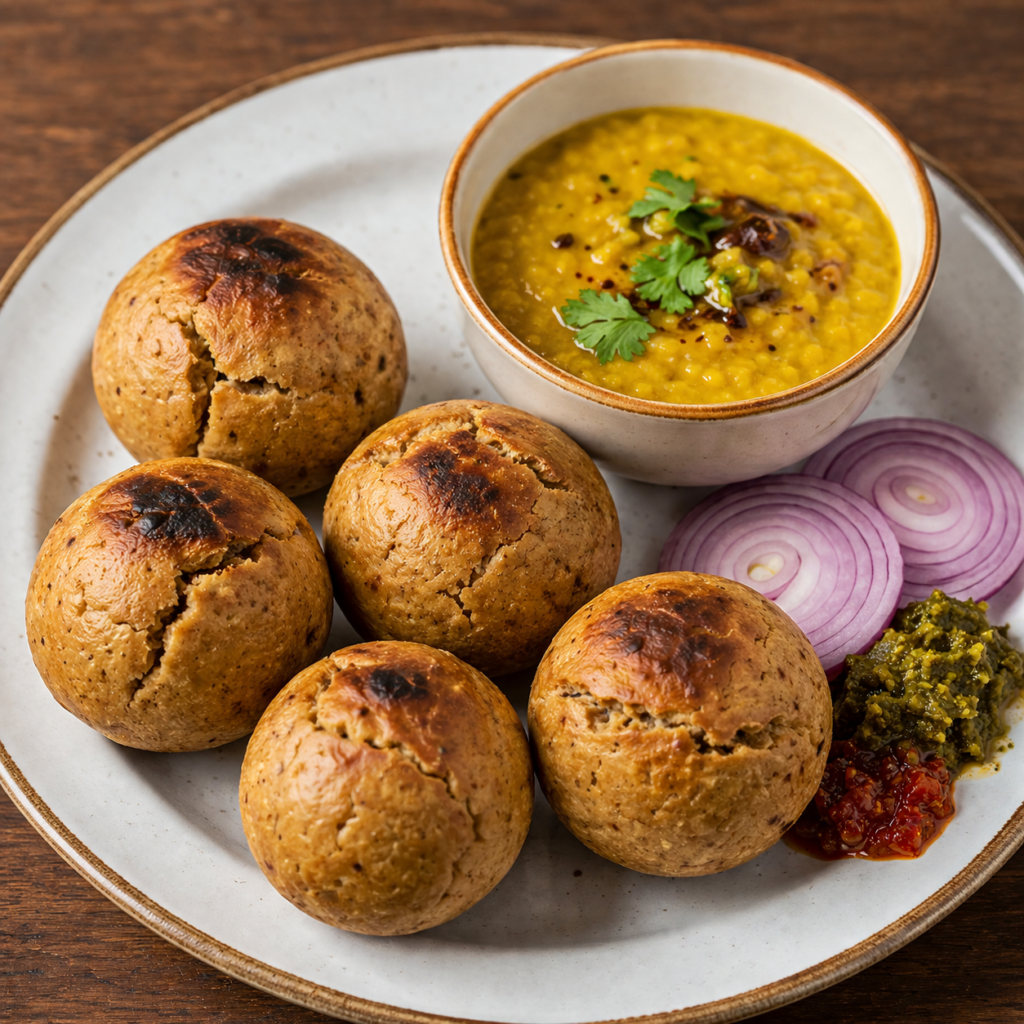
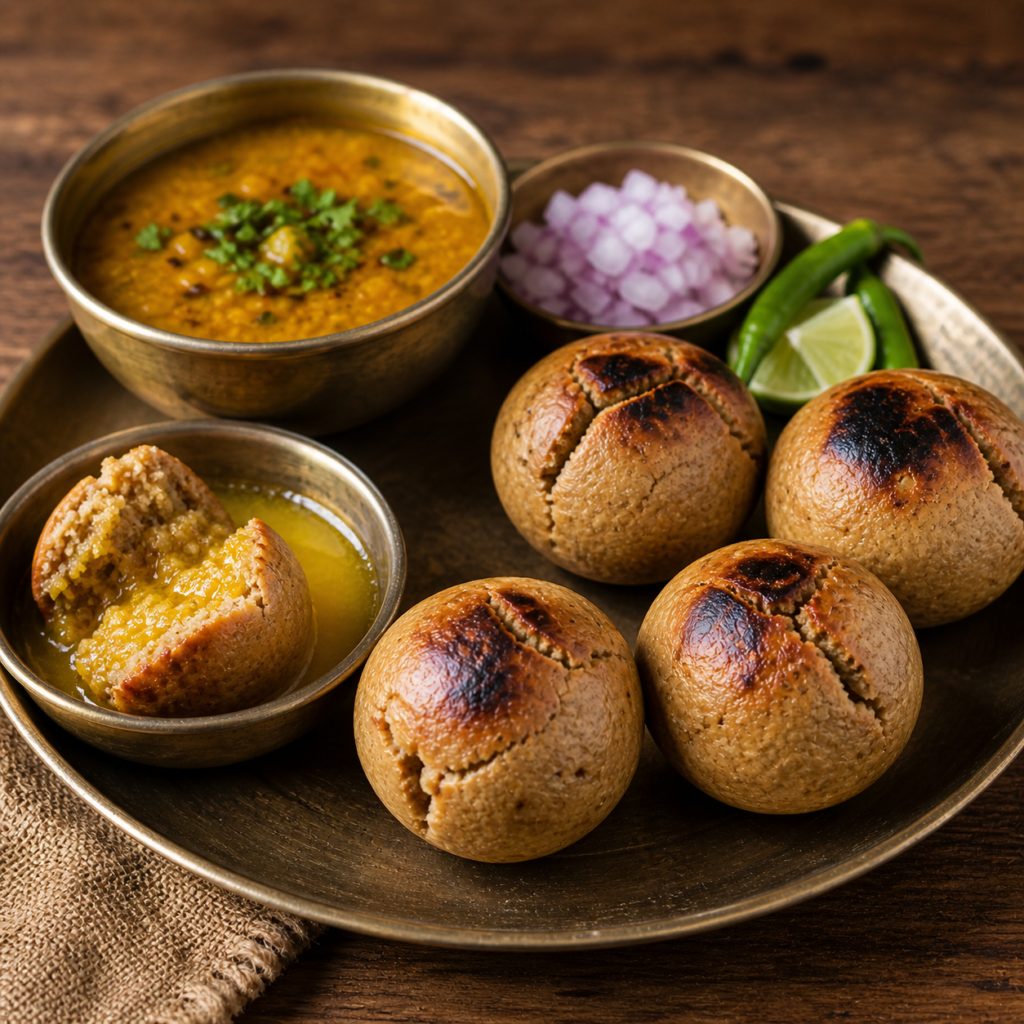
I start by placing two or three baatis on the plate, slightly cracked. Then I pour hot dal over them—not drowning, but coating generously. A final drizzle of ghee enhances aroma and shine.
Churma sits on the side, never mixed initially. I believe the diner should control how sweet they want each bite to be.
I often serve it with garlic chutney, pickles, and fresh buttermilk. These elements cut through the richness and elevate the overall experience.
Lessons I’ve Learned as a Chef
Over the years, Dal Baati Churma has taught me lessons that go beyond cooking:
Respect Ingredients
This dish uses basic ingredients—lentils, flour, ghee. Yet, it delivers extraordinary flavor. It reminds me that luxury in food does not come from expensive components, but from thoughtful preparation.
Patience is Non-Negotiable
You cannot rush this dish. Good dal takes time. Perfect baati needs attention. Churma requires care. Every step demands patience.
Balance is Everything
Too spicy dal, too dry baati, or overly sweet churma—any imbalance ruins harmony. A chef must constantly adjust and taste.
Common Mistakes I See (and Avoid)
Even experienced cooks sometimes miss key details. Here are mistakes I consciously avoid:
- Using oil instead of ghee: This changes the entire flavor profile.
- Over-soft baati dough: Leads to dense, undercooked centers.
- Skipping resting time for dal: Results in flat taste.
- Making churma too fine: It loses its identity.
Cooking this dish is about precision without overcomplication.
Modern Adaptations: My Take
As a chef, I experiment—but with respect.
I have created versions like stuffed baati with spiced fillings and baked low-ghee alternatives for health-conscious diners. I’ve even plated Dal Baati Churma in fine-dining style with controlled portions and artistic presentation.
But I always return to the traditional form.
Because innovation should enhance, not erase heritage.
The Nutritional Perspective
Dal Baati Churma is often labeled as heavy—and it is. But it is also nutritionally balanced.
- Lentils provide protein
- Wheat offers complex carbohydrates
- Ghee supplies energy and fat-soluble vitamins
In my view, it is a complete meal, best enjoyed occasionally and mindfully.
The Emotional Connection
What makes Dal Baati Churma truly special is not just taste—it is memory.
As a chef, I’ve served this dish in high-end restaurants, weddings, and small gatherings. And every time, I see the same reaction: people slow down. They eat with their hands. They smile more.
Food rarely does that.
This dish creates connection—between people, culture, and tradition.
My Final Thoughts as a Chef
If you ask me what defines great cooking, I will not say technique or presentation. I will say honesty.
Dal Baati Churma is honest food. It does not try to impress—it simply delivers comfort, depth, and satisfaction.
As a chef, I feel privileged to cook it. And every time I do, I remind myself:
Stay true to the roots. Let the ingredients speak. And never rush a dish that carries generations of tradition.
Whether you are cooking it at home or tasting it for the first time, approach it with patience and respect. Because this is not just a recipe—it is a legacy.
And in my kitchen, it will always remain one of the most meaningful dishes I have ever mastered.
read also : How to make Burrito Bowl?