How to Make Gulab Jamun – A Complete Homemade Guide
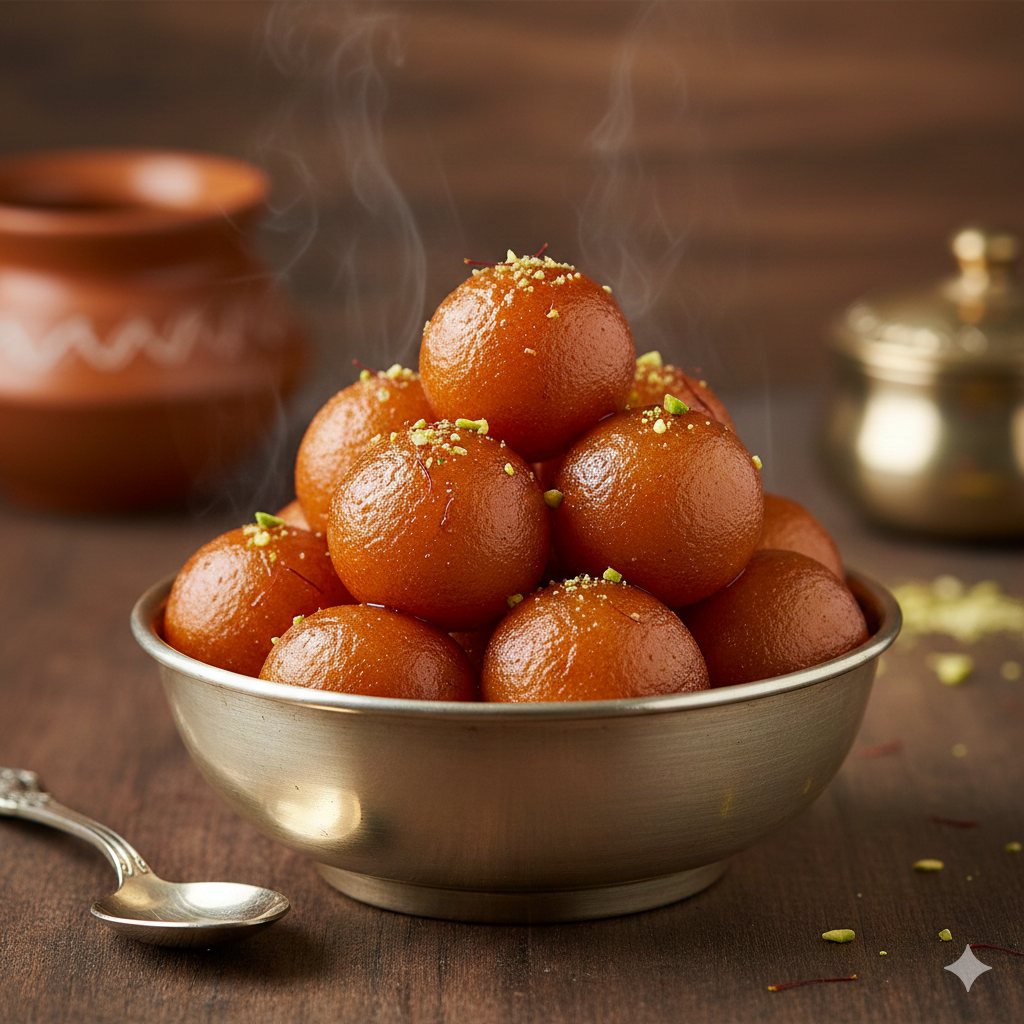
Few Indian sweets hold the same emotional value as Gulab Jamun. Whether it’s a wedding celebration, a festival like Diwali, or a simple family gathering, this soft, syrup-soaked dessert always finds its place on the table. Golden brown on the outside and melt-in-the-mouth soft on the inside, gulab jamun is a classic that never goes out of style.
In this article, you’ll learn how to make gulab jamun at home step by step using simple ingredients, along with expert tips to ensure perfect results every time.
What Is Gulab Jamun?
Gulab Jamun is a traditional Indian dessert made from milk solids (khoya or milk powder), shaped into smooth balls, deep-fried at low temperature, and soaked in sugar syrup flavored with cardamom and rose water.
The name itself is interesting:
- “Gulab” refers to rose-flavored syrup.
Ingredients Required
For the Jamun Balls:
- 1 cup milk powder (or 1 cup grated khoya)
- 2–3 tablespoons all-purpose flour (maida)
- ½ teaspoon baking powder
- 2 tablespoons ghee (clarified butter)
- 3–4 tablespoons milk (as needed to knead)
For the Sugar Syrup:
- 1½ cups sugar
- 1½ cups water
- 3–4 crushed cardamom pods
- 1 teaspoon rose water (optional)
- A few saffron strands (optional)
Step-by-Step Method
Step 1: Prepare the Sugar Syrup
- In a deep pan, combine sugar and water.
- Heat the mixture on medium flame.
- Stir occasionally until the sugar dissolves completely.
- Add crushed cardamom and saffron strands.
- Let it boil for 5–7 minutes until slightly sticky (not thick).
- Turn off the heat and add rose water.
- Keep the syrup warm (not cold).
Tip: The syrup should not reach one-string consistency. It should be slightly sticky but still flow easily.
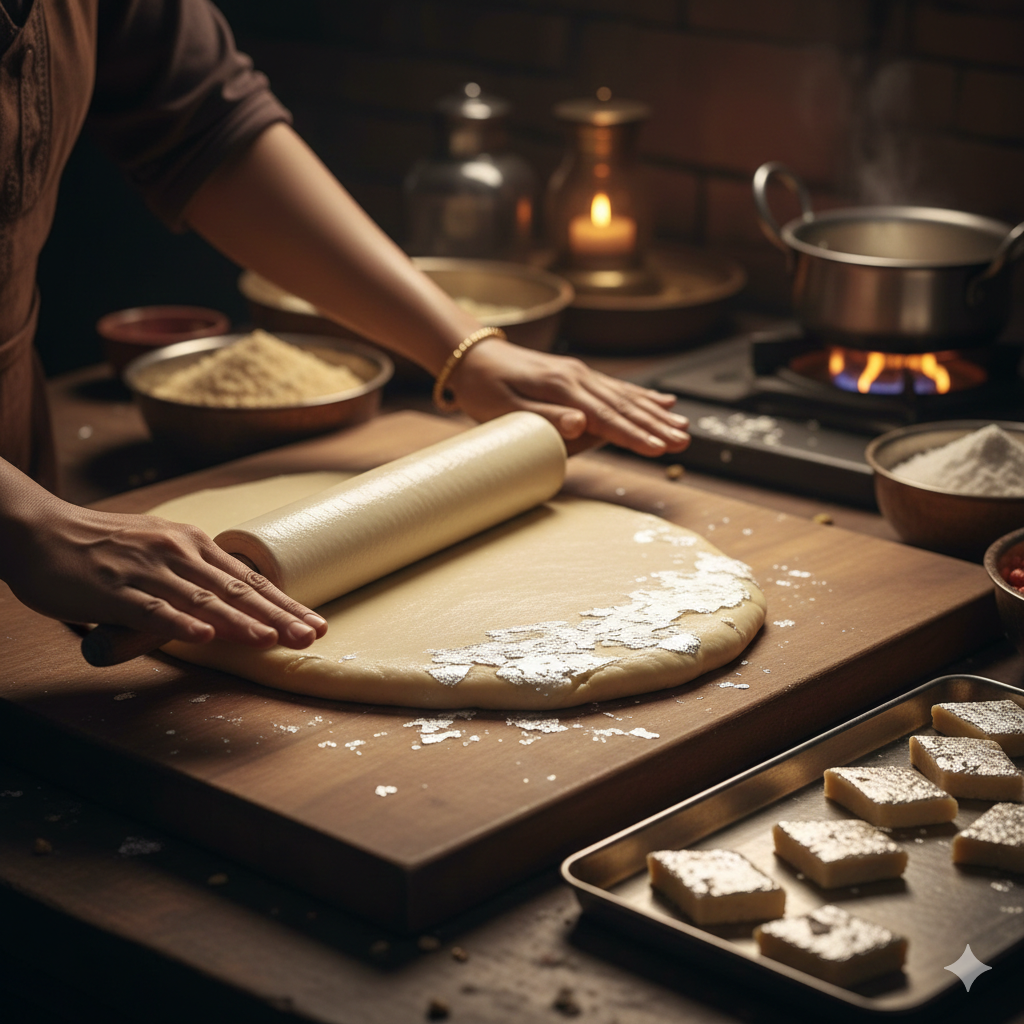
Step 2: Prepare the Dough
- In a mixing bowl, add milk powder, flour, and baking powder.
- Mix well.
- Add ghee and rub it into the dry ingredients.
- Gradually add milk and gently knead into a soft, smooth dough.
Important:
- Do not over-knead.
- Dough should be soft but not sticky.
- Let it rest for 5–10 minutes.
Step 3: Shape the Jamuns
- Grease your palms lightly with ghee.
- Divide the dough into small equal portions.
- Roll each portion into smooth balls without cracks.
Why No Cracks?
Cracks can cause the jamuns to break while frying.

Step 4: Frying the Jamuns
- Heat oil or ghee in a deep pan on low-medium flame.
- Test by dropping a small piece of dough – it should rise slowly.
- Add jamun balls gently.
- Fry on low flame while continuously stirring gently.
- Cook until they turn deep golden brown.
Pro Tip:
Always fry on low heat. High flame will brown the outside quickly but leave the inside uncooked.
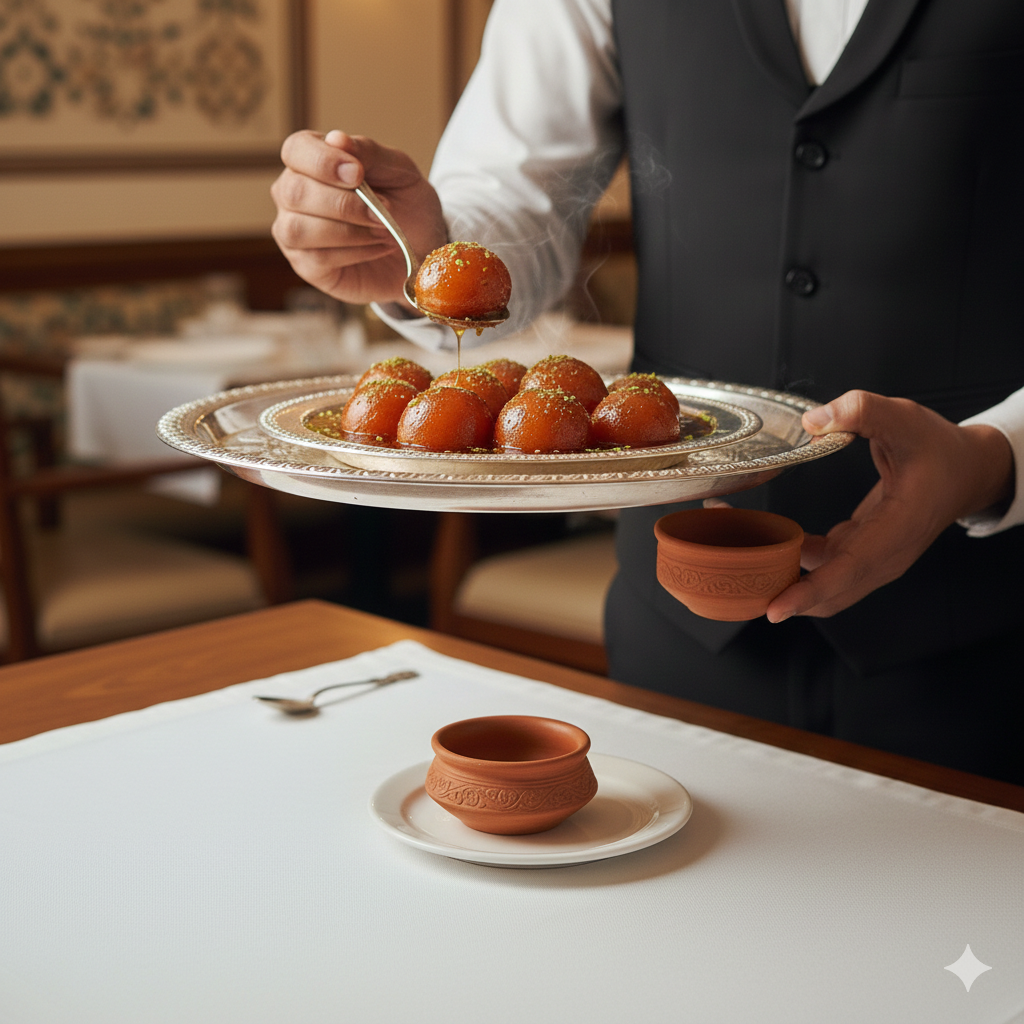
Step 5: Soaking in Sugar Syrup
- Remove fried jamuns and let them rest for 1–2 minutes.
- Transfer them directly into warm (not boiling) sugar syrup.
- Let them soak for at least 2–3 hours.
As they soak, they will double in size and become soft.

Common Mistakes to Avoid
1. Hard Jamuns
Reason: Dough too tight or over-kneaded.
Solution: Add a little milk and knead gently.
2. Jamuns Breaking in Oil
Reason: Too much baking powder or cracks in dough.
Solution: Use exact measurements and smooth shaping.
3. Jamuns Not Absorbing Syrup
Reason: Syrup too thick or cold.
Solution: Keep syrup warm and thin.
Tips for Perfect Gulab Jamun
- Always use fresh milk powder or khoya.
- Maintain low heat while frying.
- Do not overcrowd the pan.
- Syrup and jamuns both should be warm during soaking.
- Let them rest for proper absorption.
Variations You Can Try
1. Stuffed Gulab Jamun
Add chopped dry fruits like almonds or pistachios inside each ball.
2. Chocolate Gulab Jamun
Add cocoa powder to the dough for a fusion twist.
3. Bread Gulab Jamun
Use soaked bread slices instead of milk powder.
4. Kala Jamun
Fry longer for darker color and slightly firmer texture.
Serving Suggestions
- Serve warm with vanilla ice cream.
- Garnish with chopped pistachios.
- Pair with rabri for a rich dessert.
- Perfect after festive meals.
Storage Tips
- Store in refrigerator for up to 5 days.
- Reheat slightly before serving.
- You can freeze them without syrup for up to 1 month.
Why Homemade Gulab Jamun Is Special
Making gulab jamun at home is not just about cooking—it’s about tradition, patience, and love. The aroma of cardamom, the golden frying stage, and the satisfaction of seeing them soak perfectly in syrup create a rewarding experience.
Unlike store-bought versions, homemade gulab jamun:
- Has no preservatives
- Tastes fresher
- Can be customized
- Feels more personal
Nutritional Insight (Approximate per piece)
- Calories: 120–150 kcal
- Carbohydrates: 18–20g
- Fat: 5–7g
- Protein: 2–3g
(Values vary depending on ingredients and size.)
Final Thoughts
Gulab jamun is more than a dessert—it’s a symbol of celebration and togetherness. By following the right techniques—soft dough, low frying temperature, and properly prepared syrup—you can achieve perfectly soft and juicy gulab jamuns at home.
Whether you’re preparing for a festival, a family function, or simply satisfying your sweet craving, this classic Indian dessert will never disappoint.
Now that you know the complete method, it’s time to step into the kitchen and create your own batch of delicious, homemade gulab jamun.
Happy Cooking! 🍯
Read Also:How to make kaju katli