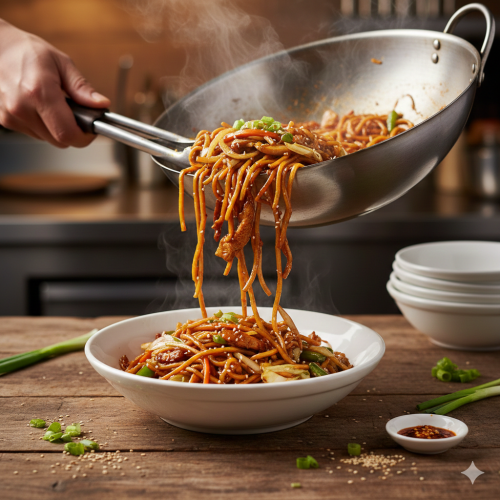
Chowmein is one of those dishes that instantly brings comfort. A sizzling pan of noodles tossed with crisp vegetables, aromatic sauces, and your choice of protein creates a meal that feels both indulgent and balanced. Though many people associate chowmein with restaurant takeout, making it at home is surprisingly simple—and often more flavorful.
In this detailed guide, you’ll learn how to prepare chowmein from scratch, including ingredients, techniques, variations, and pro tips to achieve that authentic street-style taste right in your own kitchen.
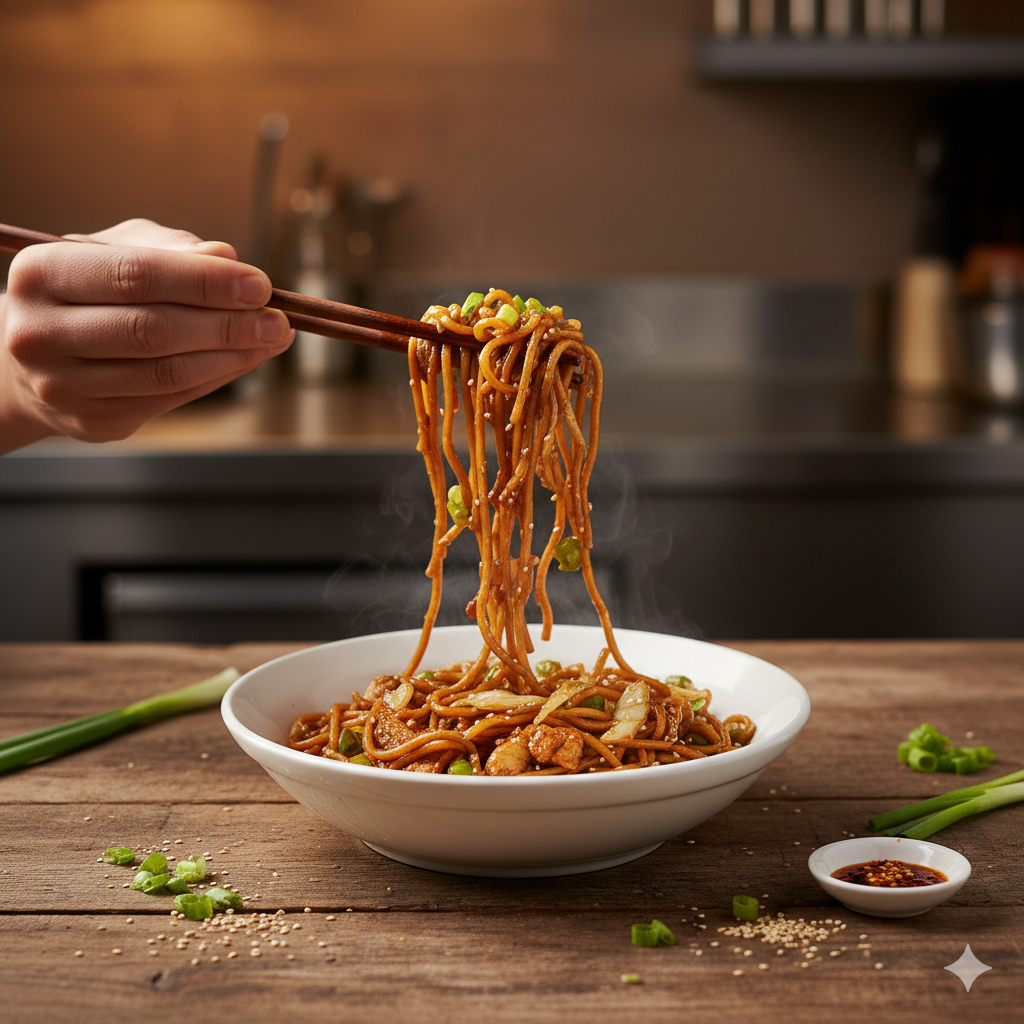
What Is Chowmein?
Chowmein (or chow mein) comes from Chinese culinary traditions and literally means “stir-fried noodles.” The dish gained global popularity and evolved into many regional styles, including Indian street-style chowmein and Westernized Chinese versions. Despite variations, the core idea remains the same: wheat noodles stir-fried with vegetables, sauces, and sometimes meat or tofu.
Ingredients You’ll Need
Here’s a basic recipe that serves 3–4 people.
For the Noodles:
- 250 grams wheat noodles (egg noodles or regular chowmein noodles)
- Water for boiling
- 1 teaspoon salt
- 1 teaspoon oil (to prevent sticking)
For the Stir-Fry:
- 2 tablespoons cooking oil (vegetable or sesame oil)
- 1 tablespoon finely chopped garlic
- 1 teaspoon grated ginger
- 1 medium onion, thinly sliced
- 1 cup shredded cabbage
- ½ cup julienned carrots
- ½ cup sliced bell peppers (any color)
- ½ cup sliced beans or spring onions
- Optional: 1 cup cooked chicken strips, shrimp, paneer, tofu, or mushrooms
For the Sauce:
- 2 tablespoons soy sauce
- 1 tablespoon vinegar (white or rice vinegar)
- 1 tablespoon chili sauce (optional, for spice)
- 1 teaspoon black pepper powder
- ½ teaspoon sugar (optional)
- Salt to taste
Step-by-Step Cooking Instructions
Step 1: Boil the Noodles
Start by bringing a large pot of water to a rolling boil. Add salt and a teaspoon of oil. Drop in the noodles and cook according to the package instructions—usually 4–6 minutes.
Important tips:
- Do not overcook. The noodles should be slightly firm (al dente).
- Overcooked noodles become mushy during stir-frying.
Once done:
- Drain immediately.
- Rinse under cold water to stop the cooking process.
- Toss lightly with a few drops of oil to prevent sticking.
- Set aside.
Step 2: Prepare All Ingredients in Advance
Chowmein cooks very quickly, so preparation is key. Chop all vegetables thinly and uniformly. This ensures even cooking and keeps the texture crisp.
If using protein:
- Cook chicken or shrimp separately with a pinch of salt and pepper.
- Tofu can be lightly pan-fried before adding.
Keep everything ready before you turn on the stove.
Step 3: Heat the Pan Properly
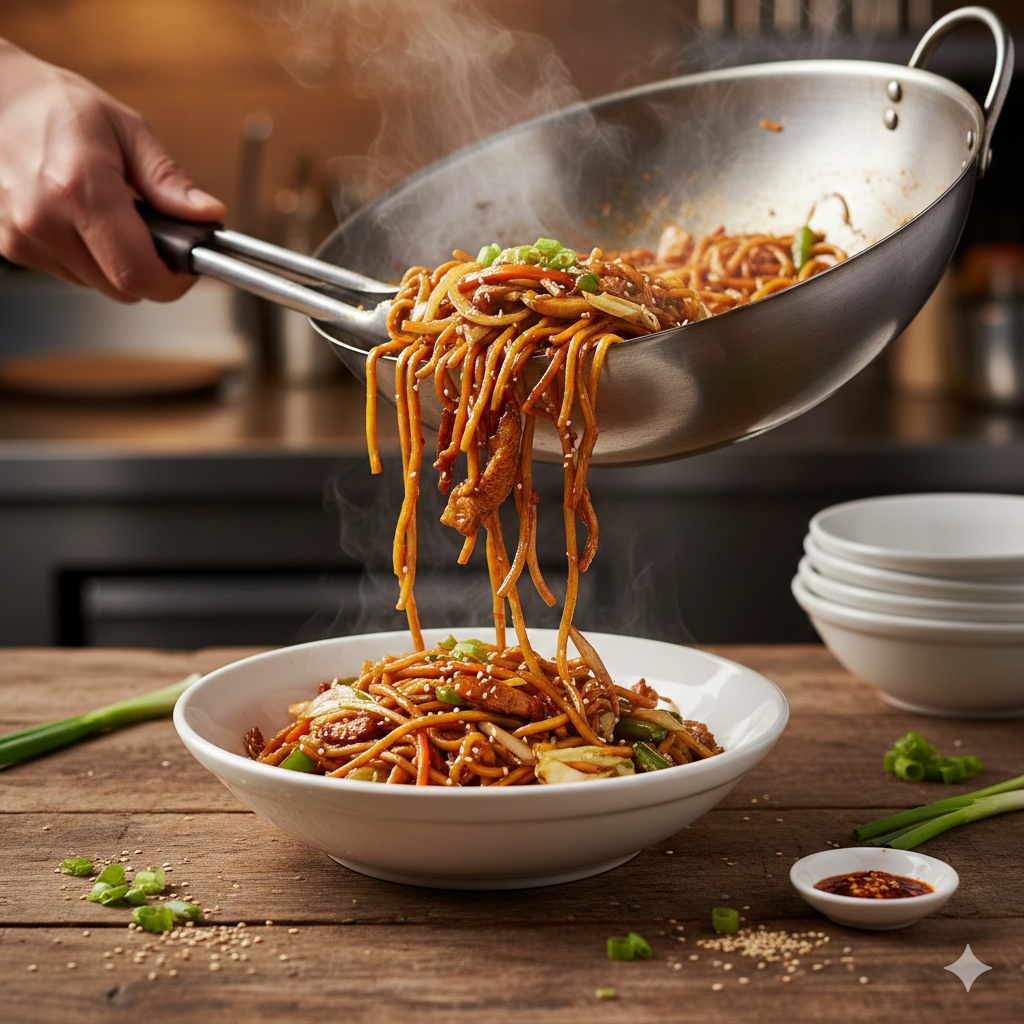
Use a wok if available, as it distributes heat evenly and gives better flavor. If not, a wide skillet works fine.
- Heat oil on high flame.
- Once hot, add garlic and ginger.
- Stir quickly for 10–15 seconds until fragrant.
Be careful not to burn the garlic—it turns bitter very fast.
Step 4: Stir-Fry the Vegetables
Add onions first and sauté for about 30 seconds.
Then add:
- Carrots
- Beans
- Bell peppers
- Cabbage
Cook on high heat for 2–3 minutes. The vegetables should remain slightly crunchy. Overcooking removes the freshness and texture that define good chowmein.
If using protein, add it now and toss well.
Step 5: Add the Sauces
Lower the flame slightly and add:
- Soy sauce
- Vinegar
- Chili sauce
- Black pepper
- Sugar (if using)
Mix quickly so the vegetables absorb the flavors evenly.
Avoid adding too much soy sauce—it can overpower the dish and make it too salty.
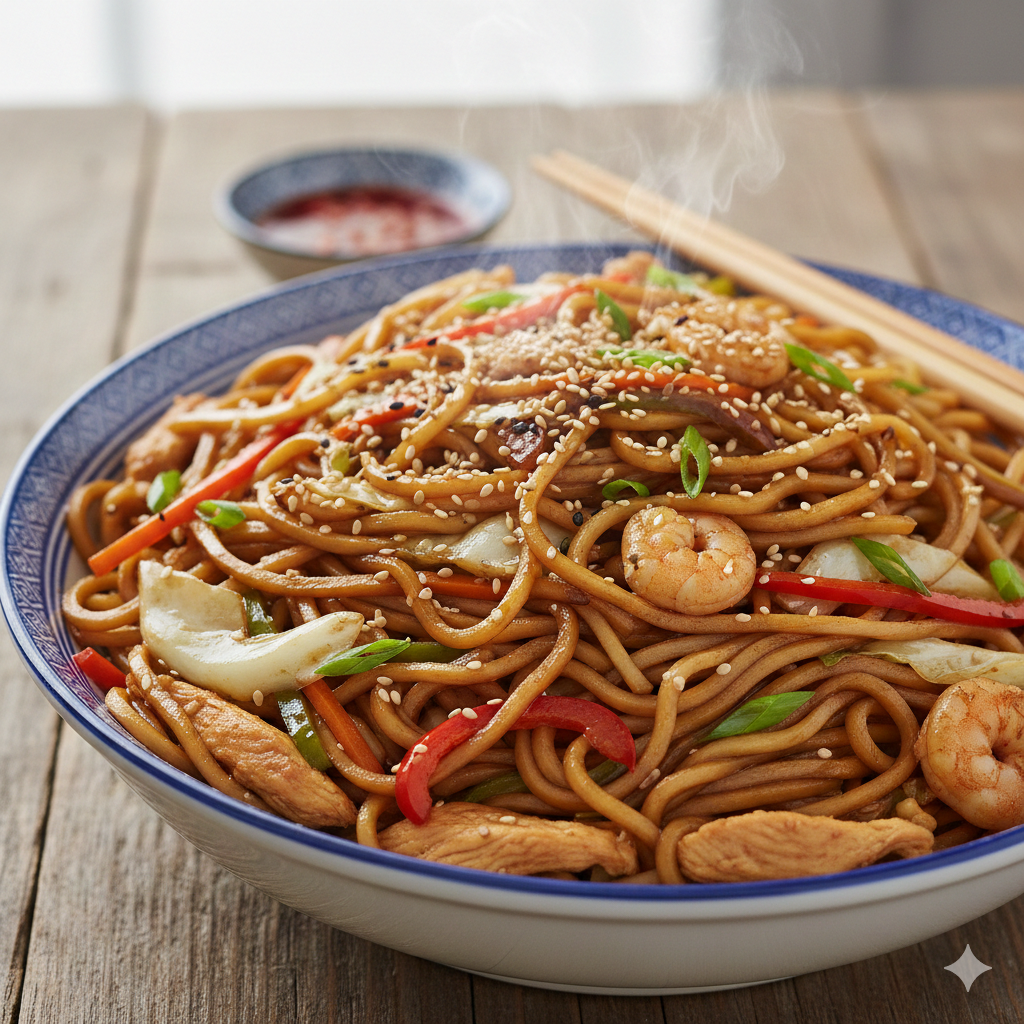
Step 6: Combine Noodles and Toss
Now add the boiled noodles to the pan.
Using tongs or two spatulas:
- Gently lift and toss the noodles.
- Mix thoroughly with vegetables and sauce.
- Cook on high heat for another 2–3 minutes.
This step gives the noodles a slightly smoky flavor, especially if cooked in a hot wok.
Taste and adjust salt or spice if needed.
Step 7: Garnish and Serve
Turn off the heat and garnish with:
- Fresh spring onion greens
- A few drops of sesame oil (optional)
Serve hot immediately. Chowmein tastes best when fresh off the stove.
Tips for Perfect Chowmein
- High Heat Is Essential
Chowmein should be cooked quickly on high heat. This keeps vegetables crisp and prevents sogginess. - Do Not Overcrowd the Pan
If making a large batch, cook in portions. Overcrowding reduces heat and makes noodles sticky. - Thin Slicing Matters
Thin vegetables cook faster and blend better with noodles. - Use Minimal Sauce
Chowmein is not meant to be heavy or overly saucy. The noodles should be lightly coated, not drenched. - Keep It Moving
Constant tossing prevents sticking and ensures even flavor distribution.
Popular Variations
1. Vegetable Chowmein
A fully vegetarian option using only fresh vegetables. Add mushrooms or tofu for extra protein.
2. Chicken Chowmein
Add thin strips of cooked chicken breast. Marinate with salt, pepper, and a little soy sauce before cooking.
3. Egg Chowmein
Scramble two eggs separately and mix them into the noodles during the final toss.
4. Shrimp Chowmein
Quickly sauté shrimp until pink and tender, then combine with vegetables and noodles.
5. Spicy Street-Style Chowmein
Add extra green chilies and chili sauce for a bold, fiery flavor often found in street stalls.
Nutritional Overview
Chowmein can be a balanced meal depending on ingredients. It contains:
- Carbohydrates from noodles
- Fiber and vitamins from vegetables
- Protein from chicken, tofu, eggs, or shrimp
- Moderate fats from cooking oil
To make it healthier:
- Use whole wheat noodles.
- Reduce oil quantity.
- Increase vegetable ratio.
- Limit sodium-heavy sauces.
Common Mistakes to Avoid
- Overboiling noodles
- Using too much oil
- Adding too much sauce
- Cooking on low heat
- Skipping ingredient prep
Avoiding these errors makes a huge difference in texture and taste.
Serving Suggestions
Chowmein can be served as:
- A standalone main dish
- A side with Manchurian or stir-fried dishes
- A quick lunchbox meal
- A party favorite
Pair it with a light soup or spring rolls for a complete meal.
Final Thoughts
Making chowmein at home is easy, quick, and customizable. Once you understand the technique—boil, stir-fry, toss—you can experiment with flavors and ingredients freely. The beauty of this dish lies in its flexibility. Whether you prefer it vegetarian, spicy, protein-packed, or simple, chowmein adapts to your taste.
The next time you crave takeout, try this homemade version instead. With fresh ingredients and the right method, you’ll create a delicious plate of chowmein that rivals any restaurant—full of vibrant colors, bold flavors, and satisfying texture.
Happy cooking! 🍜
Read also:How to make pav bhaji ?