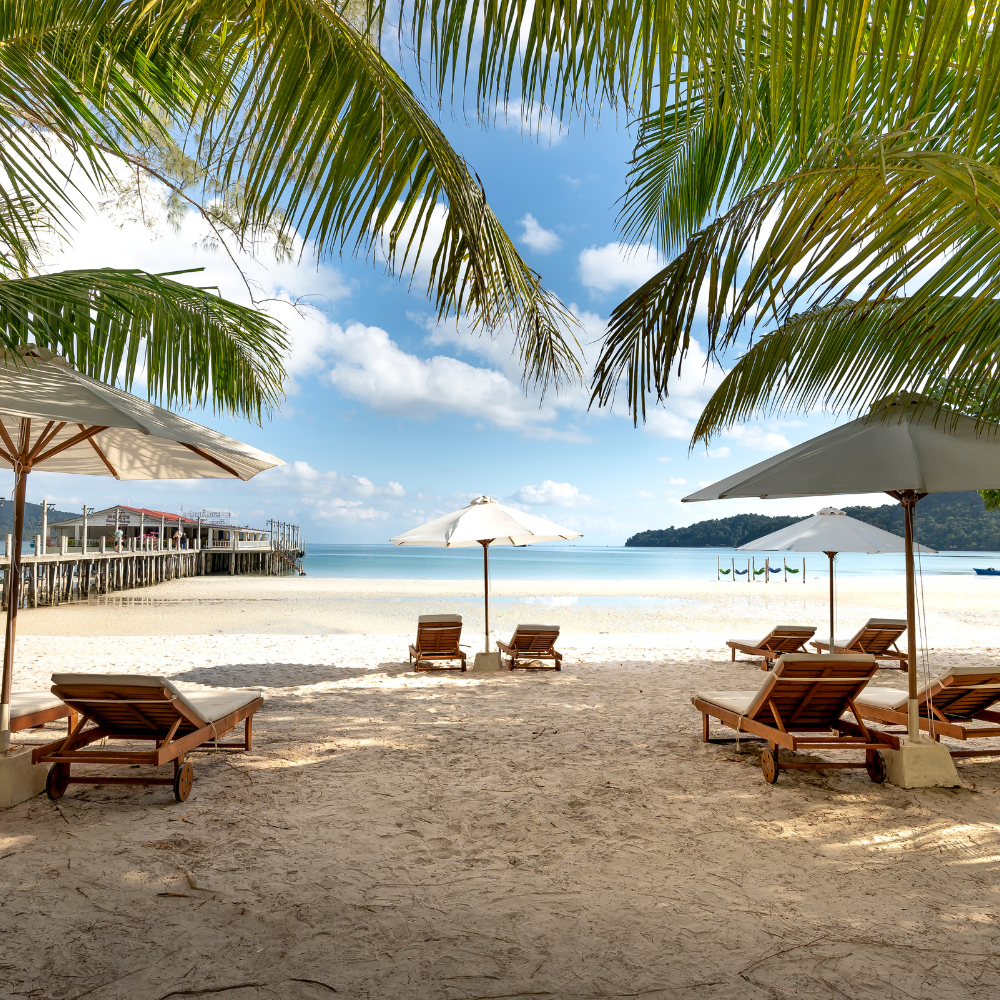
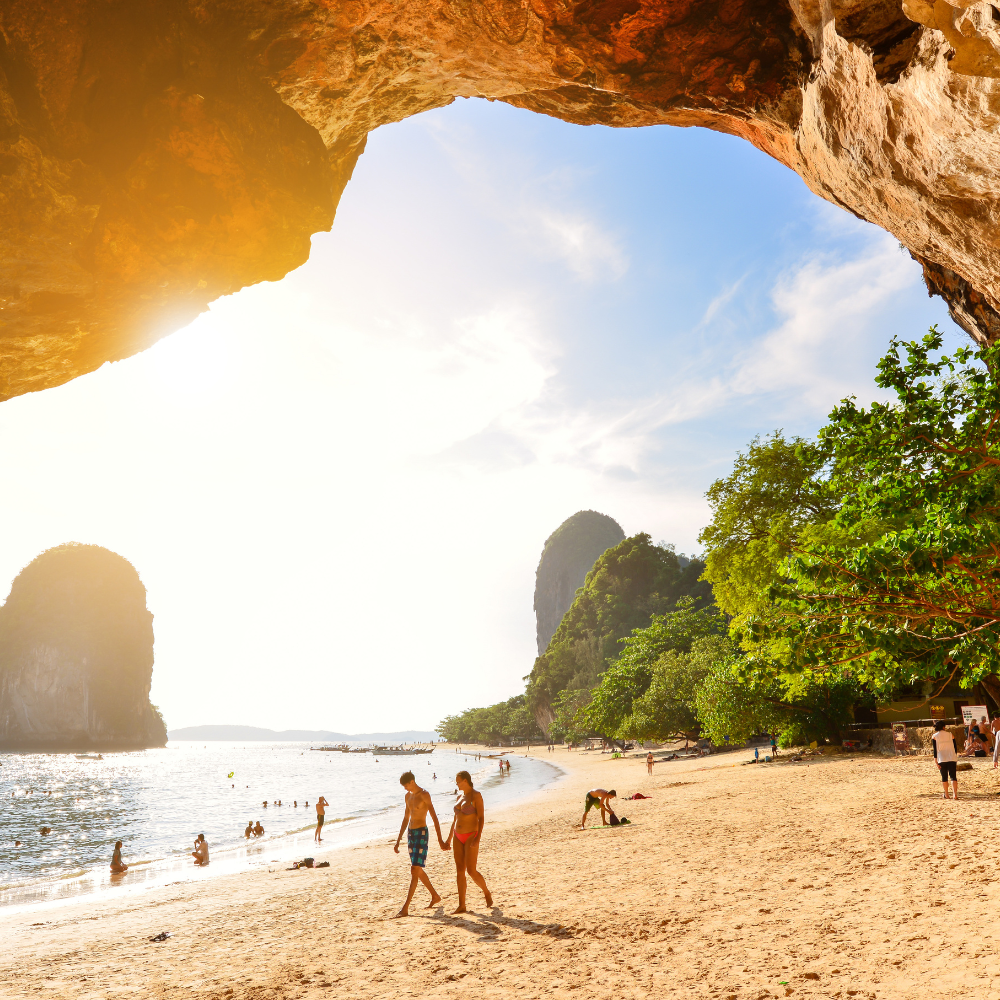
Goa is one of India’s most loved travel destinations, famous for its golden beaches, Portuguese heritage, vibrant nightlife, and peaceful natural beauty. Whether you are looking for adventure, relaxation, history, or food, Goa offers something for every traveler. Here are the top 10 places you should visit in Goa.
1. Baga Beach
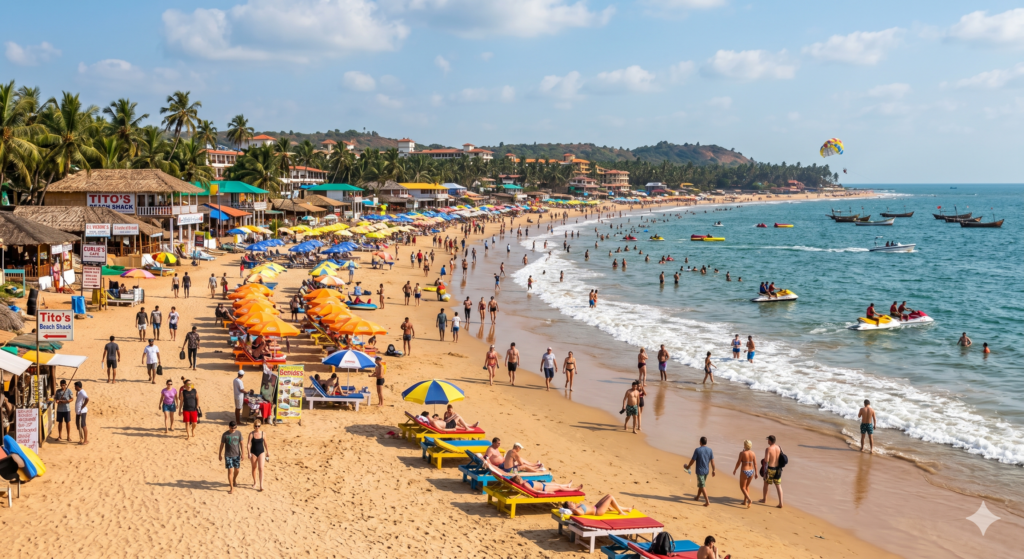
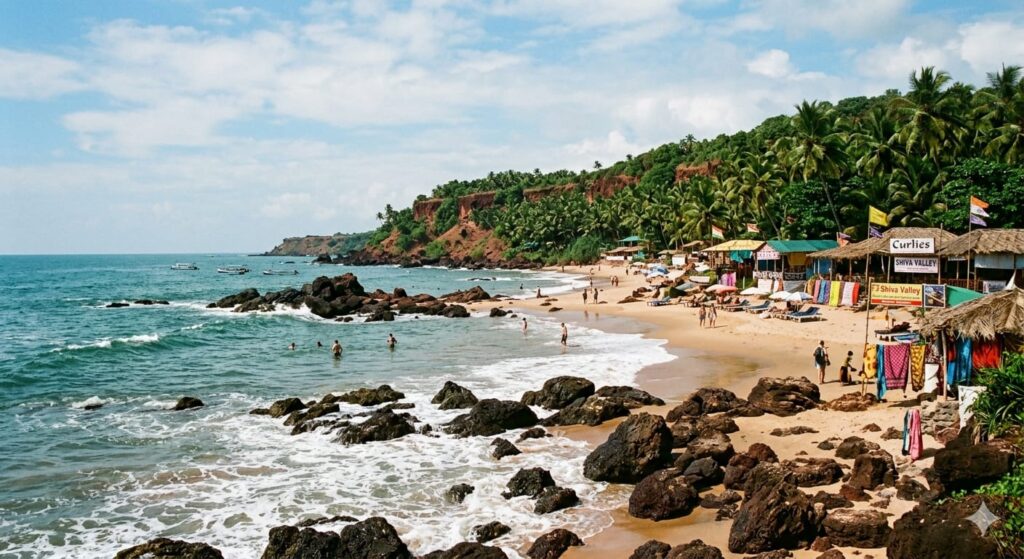
Baga Beach is one of the most popular beaches in Goa, known for its lively atmosphere, beach shacks, water sports, and nightlife. Visitors can enjoy parasailing, jet skiing, and delicious seafood while relaxing by the sea. At night, the beach transforms into a party destination with music and entertainment.
2. Calangute Beach
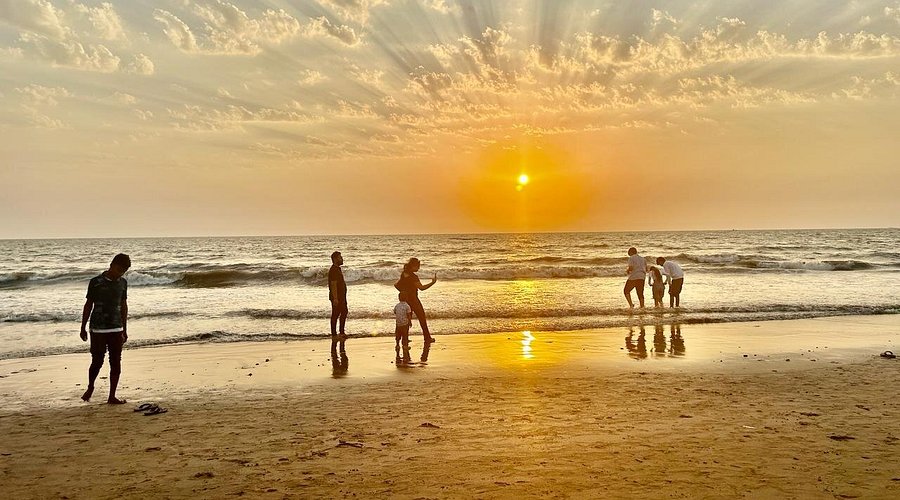
Often called the “Queen of Beaches,” Calangute Beach attracts tourists from all over the world. The beach is ideal for families and groups who want to enjoy shopping, local cuisine, and exciting beach activities. The sunset views here are especially beautiful.
3. Fort Aguada
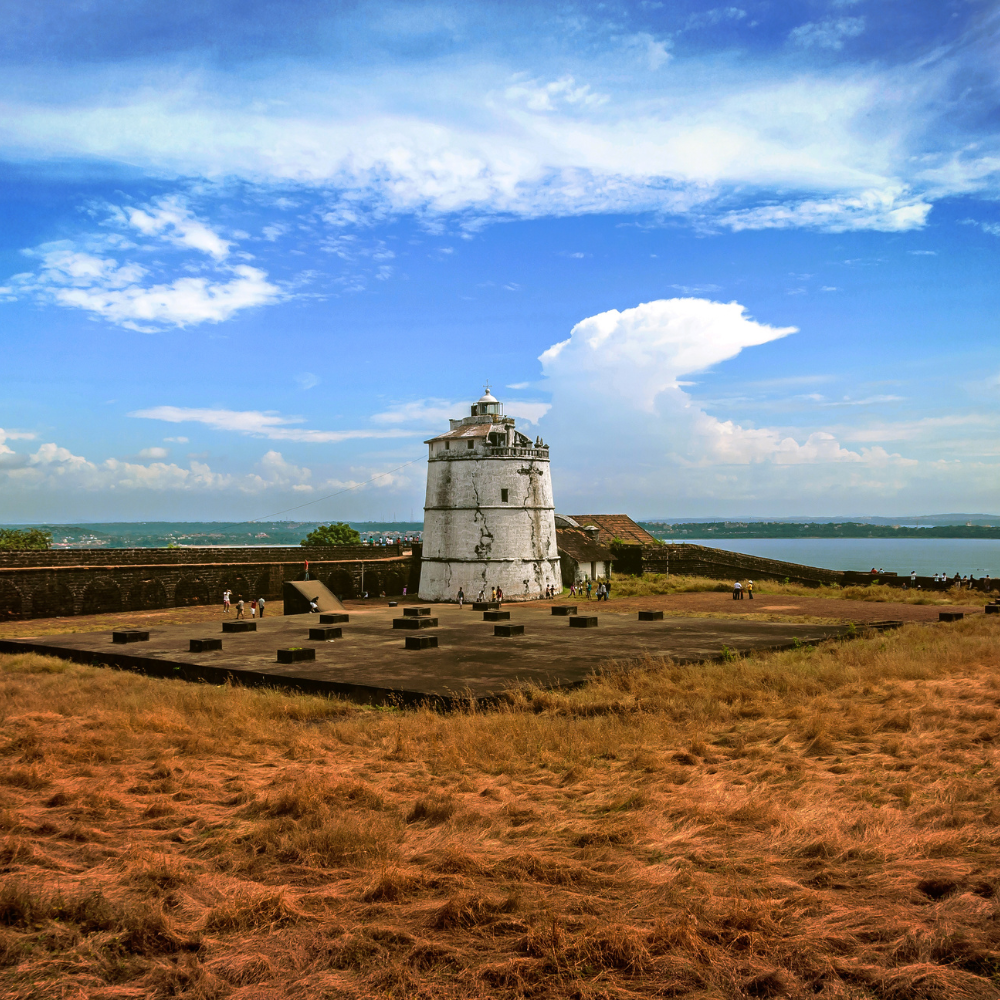
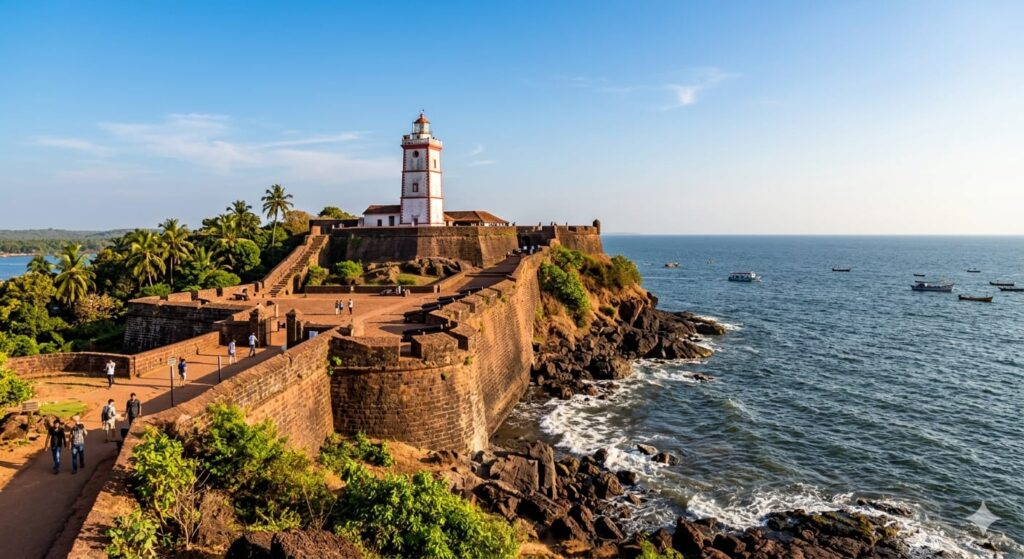
Built by the Portuguese in the 17th century, Fort Aguada is a historic fort overlooking the Arabian Sea. The fort offers breathtaking views and is a great place for photography and sightseeing. Its old lighthouse is one of the main attractions for visitors.
4. Basilica of Bom Jesus
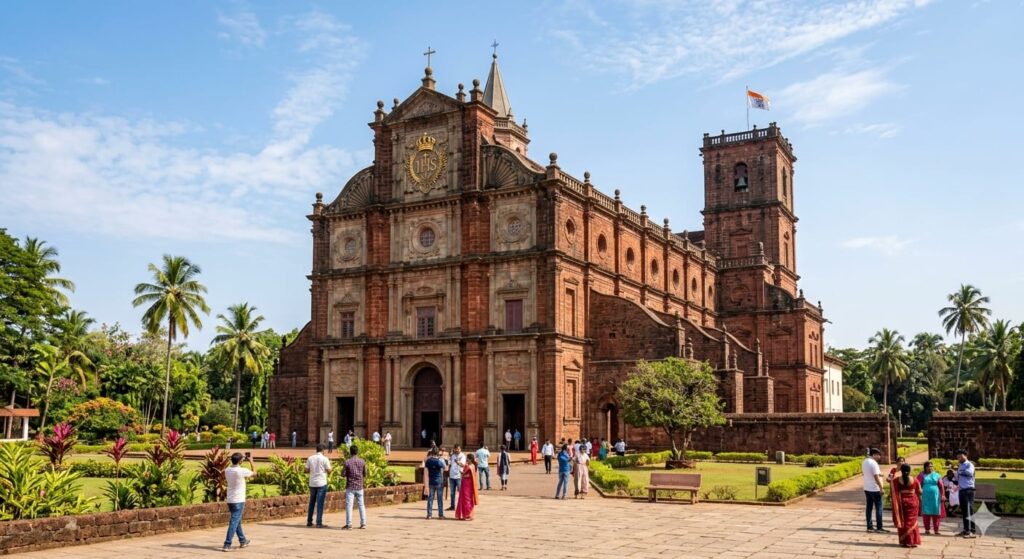
This UNESCO World Heritage Site is one of the most famous churches in India. The Basilica of Bom Jesus is known for its stunning architecture and for housing the remains of St. Francis Xavier. The church reflects Goa’s rich Portuguese history and cultural heritage.
5. Dudhsagar Falls
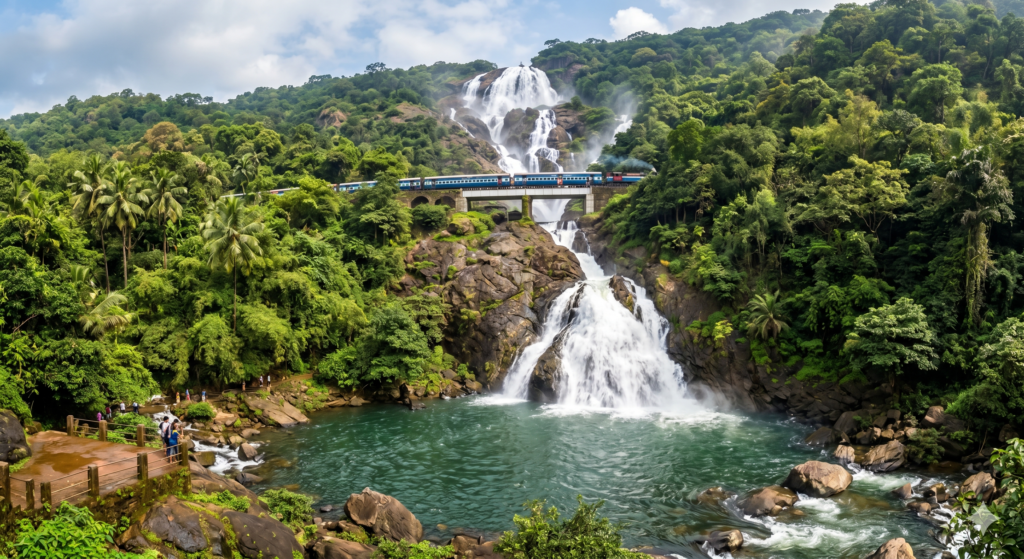
Dudhsagar Falls is one of the tallest waterfalls in India and a must-visit destination for nature lovers. Surrounded by lush green forests, the waterfall looks especially spectacular during the monsoon season. Jeep safaris and trekking routes make the journey even more exciting.
6. Anjuna Beach
Anjuna Beach is famous for its relaxed vibe, flea markets, and trance music culture. It is a favorite destination among backpackers and international tourists. The weekly flea market is perfect for shopping for handicrafts, jewelry, and souvenirs.
7. Palolem Beach
Located in South Goa, Palolem Beach is known for its calm waters and peaceful environment. Unlike the crowded beaches of North Goa, Palolem offers a relaxing experience with scenic beauty, kayaking, and beachside cafes.
8. Chapora Fort
Chapora Fort became even more famous after appearing in Bollywood movies. The fort provides panoramic views of the sea and nearby beaches. It is a perfect spot for watching sunsets and enjoying Goa’s natural beauty.
9. Fontainhas
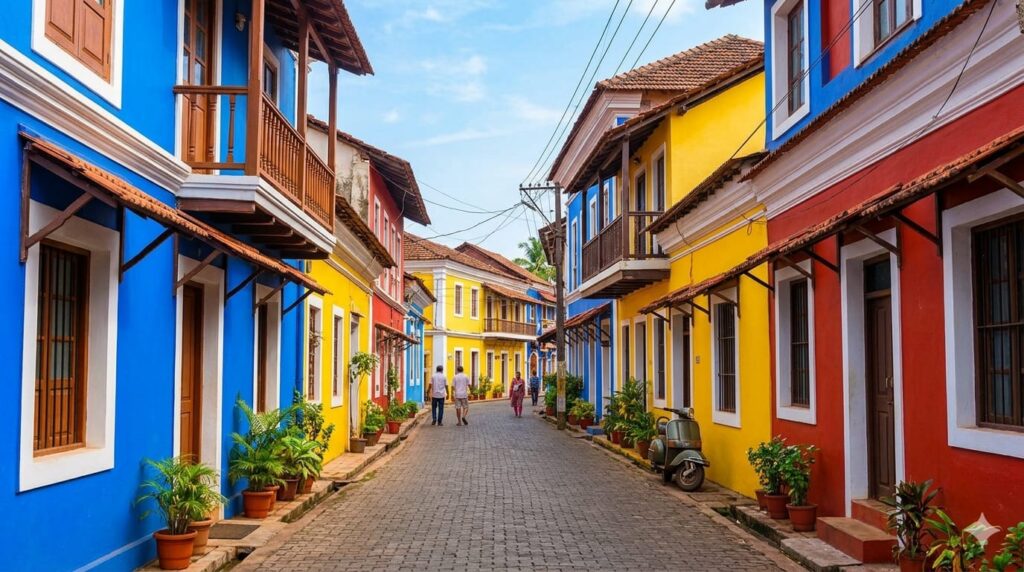
Fontainhas is the Latin Quarter of Goa, filled with colorful Portuguese-style houses, narrow streets, and artistic cafes. Walking through this charming neighborhood feels like stepping into a European town. It is a paradise for photographers and culture enthusiasts.
10. Casino Pride
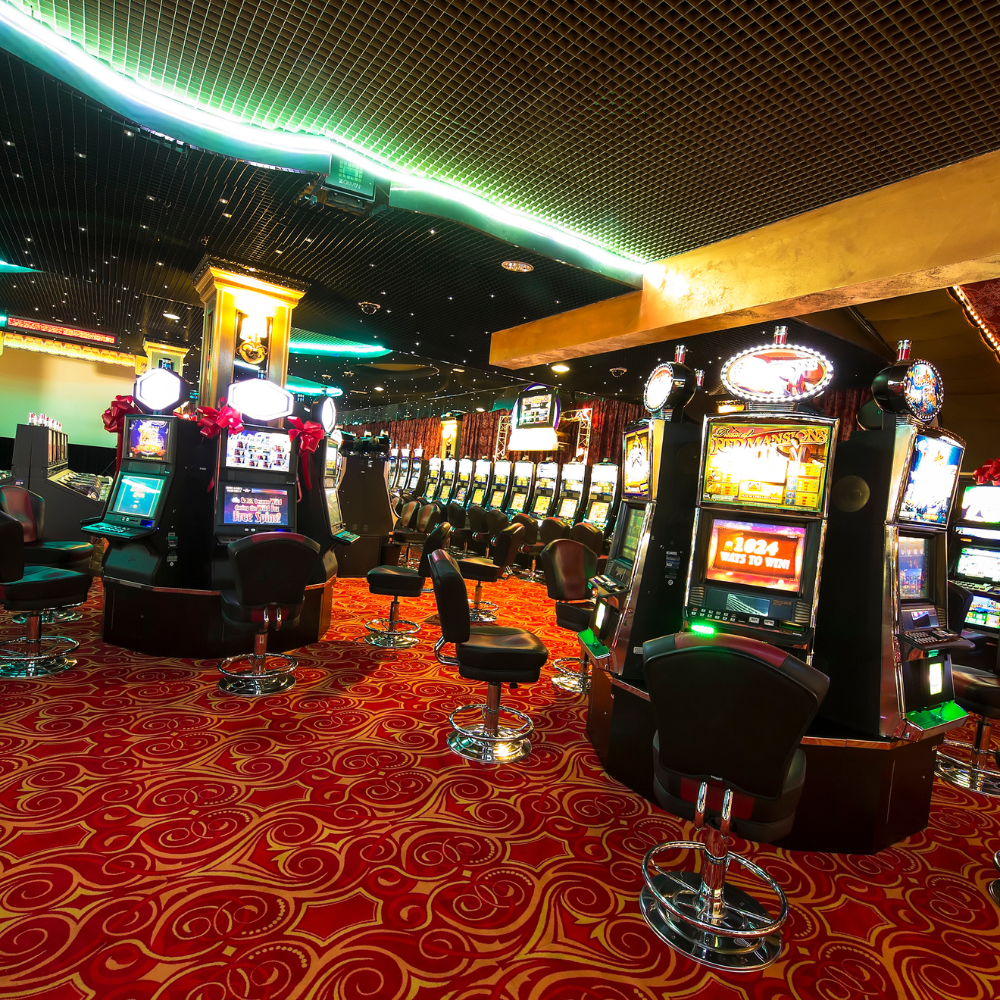
Goa is also famous for its floating casinos, and Casino Pride is one of the most popular among tourists. Visitors can enjoy live entertainment, games, fine dining, and luxury experiences while cruising on the Mandovi River.
Conclusion
Goa is much more than just beaches and parties. From historical forts and churches to waterfalls and peaceful coastal villages, the state offers unforgettable experiences for every traveler. Whether you are planning a family vacation, a romantic getaway, or an adventure trip with friends, these top 10 places in Goa should definitely be on your travel list.
Known as the “Pink City” of India, Jaipur is one of the most beautiful and culturally rich destinations in the country. Famous for its royal palaces, grand forts, colorful bazaars, and delicious Rajasthani food, Jaipur attracts millions of tourists every year. As the capital of Rajasthan, the city perfectly blends history, tradition, and modern lifestyle. Whether you are a history lover, photography enthusiast, or someone who enjoys exploring local culture, Jaipur has something special for everyone.
Here are the top 10 places to visit in Jaipur that should definitely be on your travel list.
1. Amber Fort
Amber Fort, also known as Amer Fort, is one of the most iconic attractions in Jaipur. Located on a hilltop, this magnificent fort showcases the grandeur of Rajput architecture. Built with red sandstone and marble, the fort features beautiful courtyards, royal halls, and artistic mirror work.
One of the main highlights inside the fort is the Sheesh Mahal (Mirror Palace), where thousands of tiny mirrors decorate the walls and ceilings. Visitors can also enjoy stunning views of Maota Lake from the fort premises. The light and sound show in the evening adds extra charm to the experience.
Amber Fort is a perfect destination for history lovers and photographers.
2. Hawa Mahal
Hawa Mahal, meaning “Palace of Winds,” is the most recognized landmark of Jaipur. Built in 1799 by Maharaja Sawai Pratap Singh, this five-story structure is famous for its unique honeycomb design and 953 small windows called jharokhas.
The palace was designed so that royal women could observe street festivals without being seen by the public. The cool breeze passing through the windows keeps the palace naturally ventilated, which is why it is called Hawa Mahal.
The best time to visit is early morning when sunlight falls on the pink sandstone, creating a magical view. It is also one of the most photographed places in Jaipur.
3. City Palace
Located in the heart of the city, City Palace is a beautiful blend of Mughal and Rajput architecture. The palace complex includes courtyards, museums, gardens, and royal buildings that reflect the luxurious lifestyle of Jaipur’s royal family.
Some of the popular attractions inside the palace are Mubarak Mahal, Chandra Mahal, and the Peacock Gate, which is admired for its artistic beauty. The museum displays royal costumes, weapons, paintings, and ancient artifacts.
Even today, a part of the palace is home to the royal family of Jaipur. Visitors can experience the royal heritage and learn about the fascinating history of Rajasthan here.
4. Jantar Mantar
Jantar Mantar is a UNESCO World Heritage Site and one of the most unique attractions in Jaipur. Built by Maharaja Sawai Jai Singh II, this astronomical observatory contains the world’s largest stone sundial.
The observatory has several massive instruments used to measure time, track stars, and study planetary movements. Despite being built centuries ago, many of these instruments still provide accurate calculations.
Jantar Mantar is an excellent place for students, science enthusiasts, and travelers interested in astronomy and ancient Indian knowledge.
5. Nahargarh Fort
Perched on the Aravalli Hills, Nahargarh Fort offers breathtaking panoramic views of Jaipur city. Originally built as a defense fort, it later became a retreat for the royal family.
The fort is especially popular during sunset, when the entire city lights up beautifully below. The architecture of the fort, along with its peaceful surroundings, makes it a favorite spot for tourists and locals alike.
Inside the fort, Madhavendra Bhawan is worth visiting because of its beautifully designed rooms and corridors. Nahargarh Fort is ideal for photography, sightseeing, and enjoying Jaipur’s skyline.
6. Jaigarh Fort
Jaigarh Fort is known for housing the world’s largest cannon on wheels, called Jaivana Cannon. Built mainly for military purposes, the fort is connected to Amber Fort through underground passages.
The fort offers spectacular views of the surrounding hills and Amber Fort. Unlike other decorative palaces, Jaigarh Fort reflects strength and security with its thick walls and defensive structures.
History enthusiasts will enjoy exploring the armory museum, watchtowers, and ancient water storage systems inside the fort.
7. Jal Mahal
Jal Mahal, or the “Water Palace,” is one of the most picturesque spots in Jaipur. Situated in the middle of Man Sagar Lake, the palace appears to float on water.
Although visitors cannot enter the palace, the view from the lakeside is absolutely stunning, especially during sunrise and sunset. The surrounding area is perfect for photography and relaxing walks.
Bird lovers can also spot migratory birds around the lake during winter. Jal Mahal beautifully combines nature and architecture, making it a must-visit attraction.
8. Albert Hall Museum
Albert Hall Museum is the oldest museum in Rajasthan and an important cultural landmark in Jaipur. The museum’s Indo-Saracenic architecture itself is a major attraction.
Inside the museum, visitors can explore collections of paintings, carpets, sculptures, weapons, jewelry, and ancient artifacts from different periods of Indian history. One of the most famous exhibits here is an Egyptian mummy.
The museum looks especially beautiful at night when it is illuminated with golden lights. It is a great place for people interested in art, culture, and history.
9. Birla Mandir
Birla Mandir, also known as the Lakshmi Narayan Temple, is a modern Hindu temple built entirely from white marble. Located at the base of Moti Dungri Hill, the temple is dedicated to Lord Vishnu and Goddess Lakshmi.
The peaceful environment and intricate carvings make it one of the most serene places in Jaipur. The temple shines beautifully in the evening when lights reflect on the marble walls.
Visitors often come here to experience spirituality and enjoy a calm atmosphere away from the busy city streets.
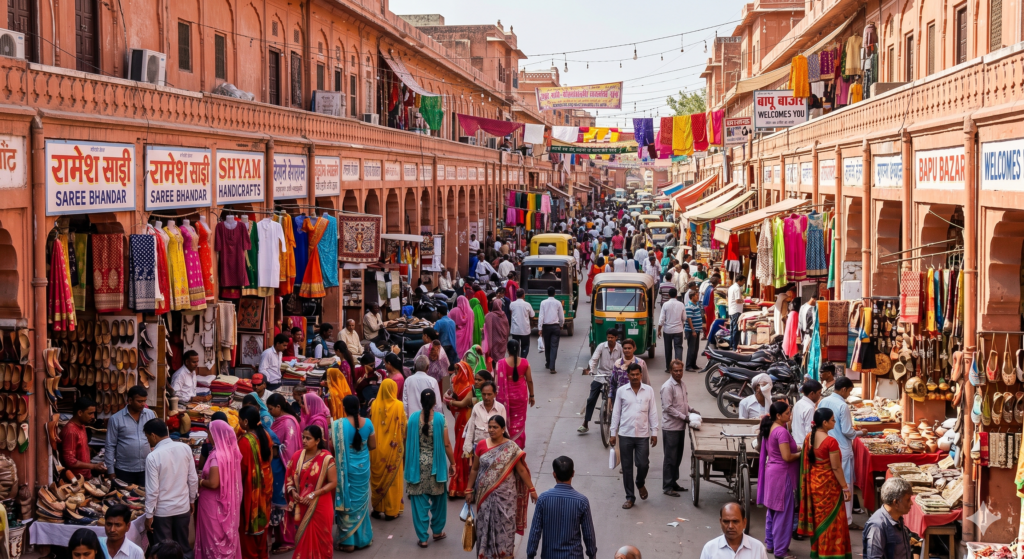
10. Bapu Bazaar
No trip to Jaipur is complete without shopping at the famous Bapu Bazaar. This colorful market is the perfect place to buy traditional Rajasthani items such as handicrafts, jewelry, mojari shoes, textiles, and souvenirs.
The vibrant streets, local shops, and delicious street food create an unforgettable shopping experience. Tourists can also purchase Jaipur’s famous block-printed fabrics and handmade products at affordable prices.
Bapu Bazaar gives visitors a chance to experience the local culture and lively atmosphere of Jaipur.
Conclusion
Jaipur is a city that beautifully preserves the royal heritage of India while offering modern attractions and vibrant local culture. From magnificent forts and palaces to bustling markets and peaceful temples, every corner of the city tells a story of history and tradition.
Whether you want to admire architectural wonders like Amber Fort and Hawa Mahal, enjoy scenic beauty at Jal Mahal, or explore local markets like Bapu Bazaar, Jaipur promises an unforgettable travel experience.
If you are planning a trip to Rajasthan, Jaipur should definitely be at the top of your list. The city’s rich culture, warm hospitality, and timeless beauty make it one of the best tourist destinations in India.
Communication is one of the most important skills a child develops while growing up. It helps children express their feelings, share ideas, build friendships, and learn in school. However, some children face difficulties with speaking, understanding language, pronunciation, or social communication. In such cases, speech therapy plays a major role in helping them improve their communication skills and confidence.
What is Speech Therapy?
Speech Therapy is a professional treatment that helps children and adults improve speech, language, voice, and communication abilities. Speech therapy is usually provided by trained experts called speech-language pathologists (SLPs).
The therapy focuses on helping children who struggle with:
Pronouncing words correctly
Understanding language
Forming sentences
Stuttering or fluency problems
Voice disorders
Social communication skills
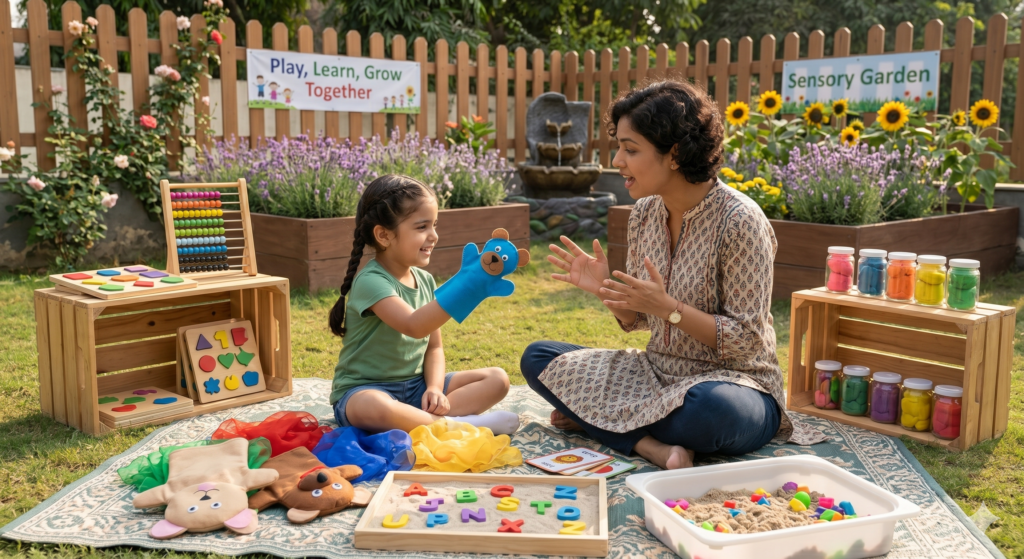
Speech therapy sessions are designed according to the child’s age and specific needs. Activities often include games, exercises, storytelling, picture cards, and conversation practice to make learning fun and engaging.
Why Some Kids Need Speech Therapy
Every child develops differently, but some children may take longer to develop communication skills. Speech difficulties can happen due to:
Developmental delays
Hearing problems
Autism spectrum disorder
Learning disabilities
Neurological conditions
Lack of social interaction
Oral muscle weakness
Children who cannot communicate properly may feel frustrated, shy, or isolated. Early speech therapy can help reduce these challenges and support healthy emotional and social development.
Benefits of Speech Therapy for Kids
1. Improves Pronunciation and Clarity
Some children have trouble saying certain sounds correctly, such as “r,” “s,” or “th.” Speech therapy helps them learn correct tongue placement and mouth movements so others can understand them more clearly.
For example, a child saying “wabbit” instead of “rabbit” can gradually learn proper pronunciation through guided practice.
2. Builds Vocabulary and Language Skills
Speech therapy helps children learn new words, sentence formation, grammar, and conversation skills. This improves their ability to express thoughts and understand others.
Children become more comfortable asking questions, sharing stories, and participating in classroom discussions.
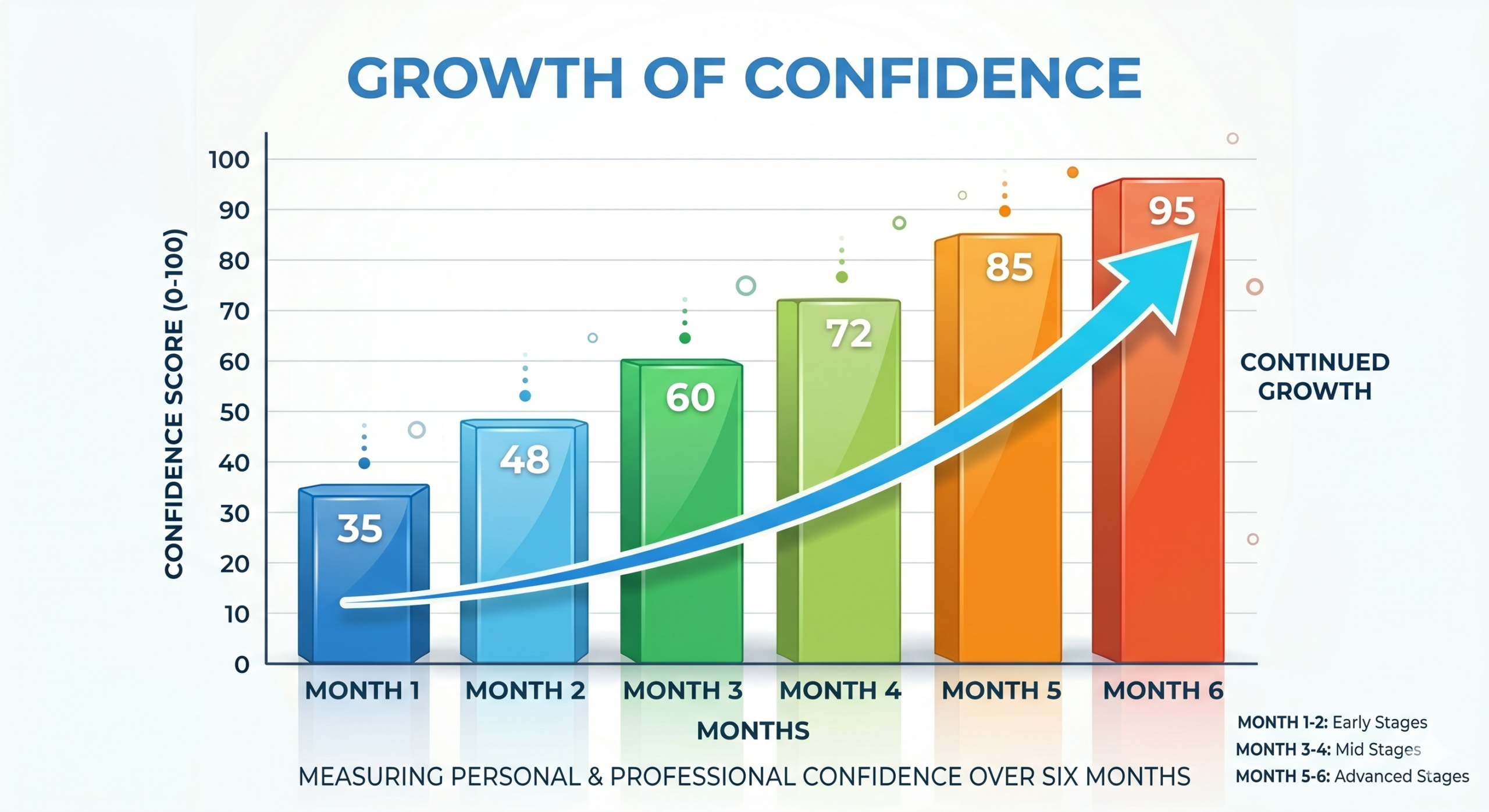
3. Boosts Confidence and Social Skills
Communication problems can sometimes make children feel embarrassed or nervous around others. Speech therapy encourages children to interact confidently with friends, teachers, and family members.
As communication improves, children often become more active socially and emotionally.
4. Helps with Stuttering and Fluency
Some children repeat sounds or struggle to speak smoothly. Speech therapy teaches breathing techniques, pacing, and speaking exercises that help improve fluency and reduce stuttering.
5. Supports Academic Performance
Good communication skills are closely connected to reading, writing, and learning. Children who improve their speech and language abilities often perform better in school and understand lessons more easily.
Techniques Used in Speech Therapy
Speech therapists use different techniques depending on the child’s needs, including:
Articulation exercises
Language games
Flashcards and picture books
Storytelling activities
Mirror exercises for mouth movement
Breathing and voice control activities
Social interaction practice
Therapists also guide parents on how to support communication practice at home.
Importance of Early Intervention
Early intervention is one of the most important factors in successful speech therapy. The earlier communication problems are identified, the easier it becomes to improve speech and language development.
Parents should consult a speech therapist if their child:
Speaks very few words for their age
Has unclear speech
Struggles to understand instructions
Avoids speaking
Stutters frequently
Has difficulty interacting socially
Role of Parents in Speech Development
Parents play a huge role in helping children improve communication skills. Simple daily activities can support speech therapy, such as:
Talking regularly with the child
Reading storybooks together
Encouraging conversations
Listening patiently
Praising communication efforts
Limiting excessive screen time
A supportive home environment helps children practice communication naturally.
Conclusion
Speech therapy is a valuable tool that helps children communicate more effectively and confidently. It not only improves speech and language skills but also supports emotional, social, and academic growth. With early support, proper guidance, and encouragement from parents and therapists, children can overcome communication challenges and develop strong lifelong communication skills.
Helping a child communicate better means helping them connect with the world more confidently and successfully.
Known as the “City of Lakes,” Udaipur is one of the most beautiful tourist destinations in India. Surrounded by the Aravalli Hills, this royal city is famous for its lakes, palaces, gardens, and rich Rajasthani culture. Whether you love history, photography, food, or peaceful views, Udaipur has something special for everyone.
1. City Palace
The City Palace is the most iconic attraction in Udaipur. Built on the banks of Lake Pichola, this grand palace showcases stunning Rajput architecture, beautiful balconies, courtyards, and museums filled with royal artifacts. Visitors can enjoy panoramic views of the city and lake from the palace.
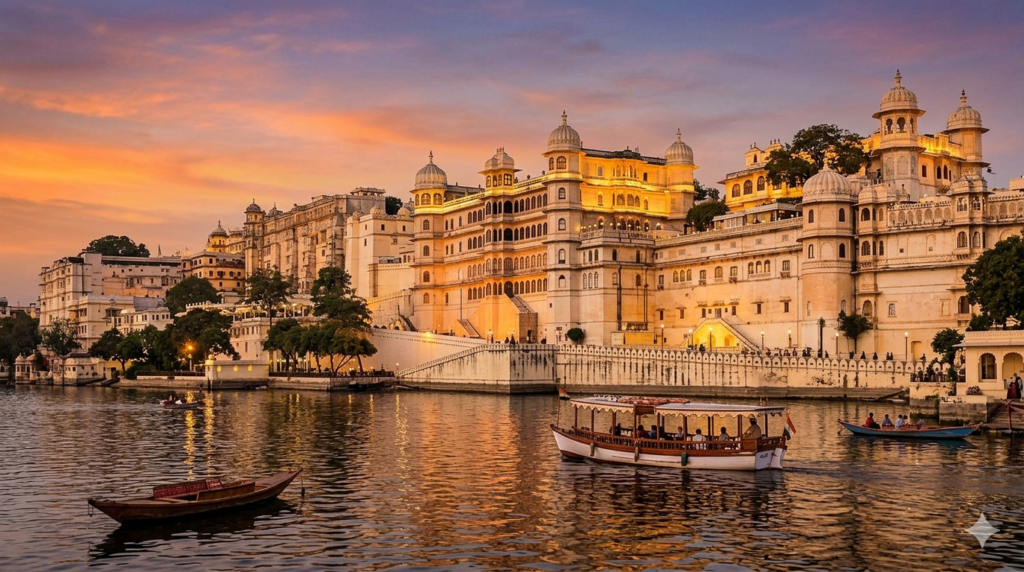
Lake Pichola is the heart of Udaipur and one of the city’s most scenic spots. A boat ride during sunset offers breathtaking views of palaces, ghats, and surrounding hills. The calm atmosphere makes it perfect for couples and photographers.
3. Jag Mandir
Located on an island in Lake Pichola, Jag Mandir is a beautiful palace known for its marble structures and peaceful surroundings. It was once used as a royal summer resort and is now a popular tourist attraction.
4. Lake Palace
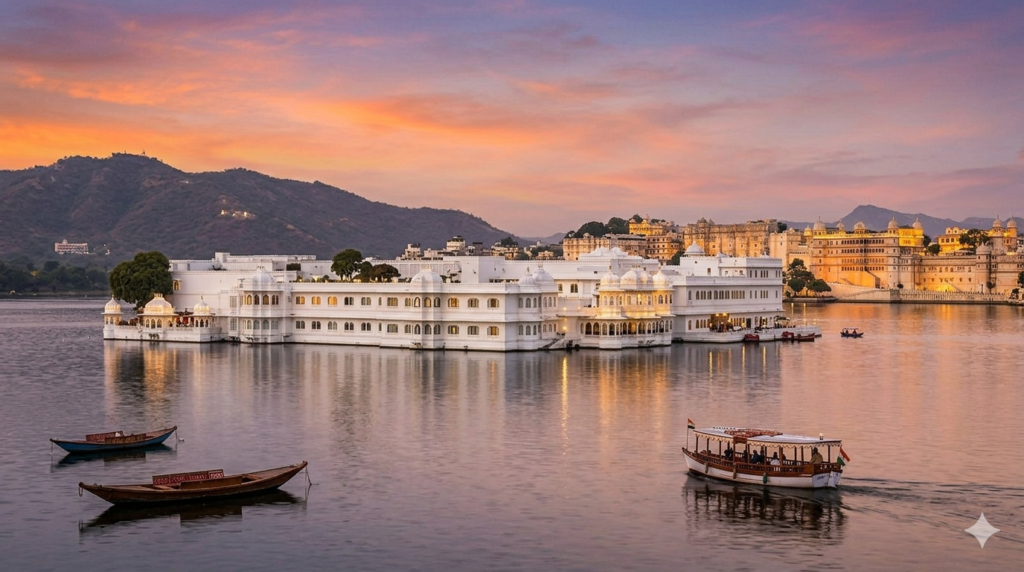
The Lake Palace appears to float magically on Lake Pichola. Built with white marble, this luxurious palace is now a heritage hotel and one of the most photographed landmarks in Udaipur.
5. Fateh Sagar Lake
Fateh Sagar Lake is another famous lake surrounded by hills and cafes. Tourists enjoy boating, cycling, and relaxing near the waterfront. The lake looks especially beautiful in the evening.
6. Saheliyon Ki Bari
Saheliyon Ki Bari, also called the Garden of Maidens, is a historic garden filled with fountains, lotus pools, marble pavilions, and greenery. It was designed for royal women to relax and spend leisure time.
7. Sajjangarh Monsoon Palace
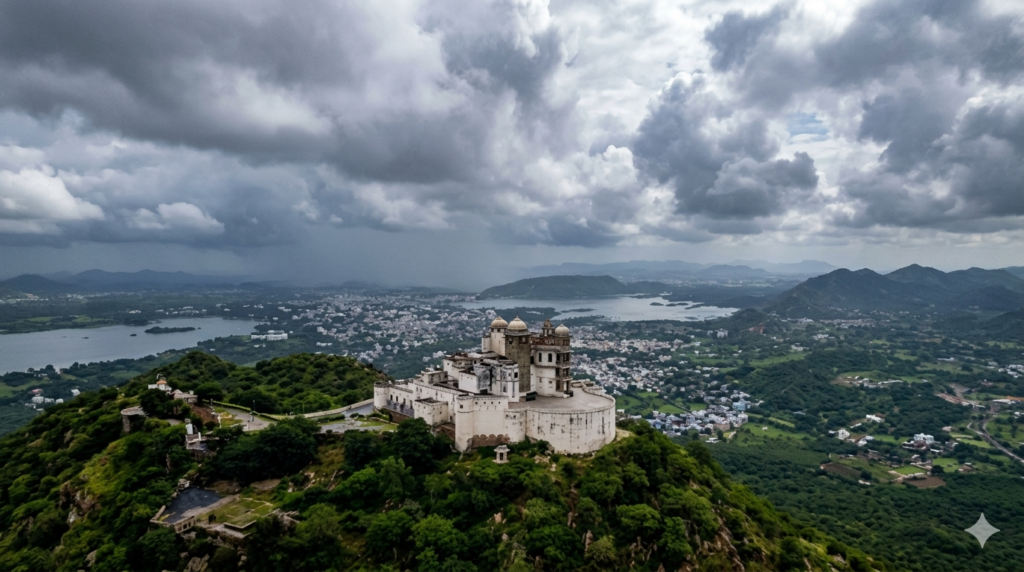
Situated on a hilltop, the Monsoon Palace offers amazing sunset views over Udaipur and its lakes. It was originally built to observe monsoon clouds and is now a favorite viewpoint for tourists.
8. Jagdish Temple
Jagdish Temple is a famous Hindu temple dedicated to Lord Vishnu. The temple is admired for its detailed carvings, beautiful architecture, and spiritual atmosphere.
9. Bagore Ki Haveli
Bagore Ki Haveli is a historic mansion located near Lake Pichola. It is well known for its cultural dance performances, puppet shows, and museum displaying traditional Rajasthani lifestyle.
10. Shilpgram
Shilpgram is a rural arts and crafts village that showcases Rajasthan’s traditional culture, handicrafts, music, and folk dance. It is a great place to shop for souvenirs and experience local traditions.
Conclusion
Udaipur is a perfect blend of history, culture, and natural beauty. From majestic palaces and sparkling lakes to colorful markets and cultural attractions, the city offers unforgettable experiences for every traveler. A trip to Udaipur is truly a journey into the royal heritage of Rajasthan.
Mumbai is a vibrant mix of history, culture, beaches, and modern city life. If you’re visiting, here are 10 must-visit places that give you a great feel of the city:
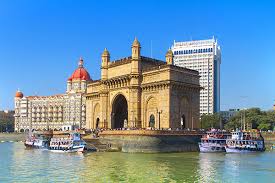
1. Gateway of India
The iconic symbol of Mumbai, overlooking the Arabian Sea. Best visited early morning or evening.
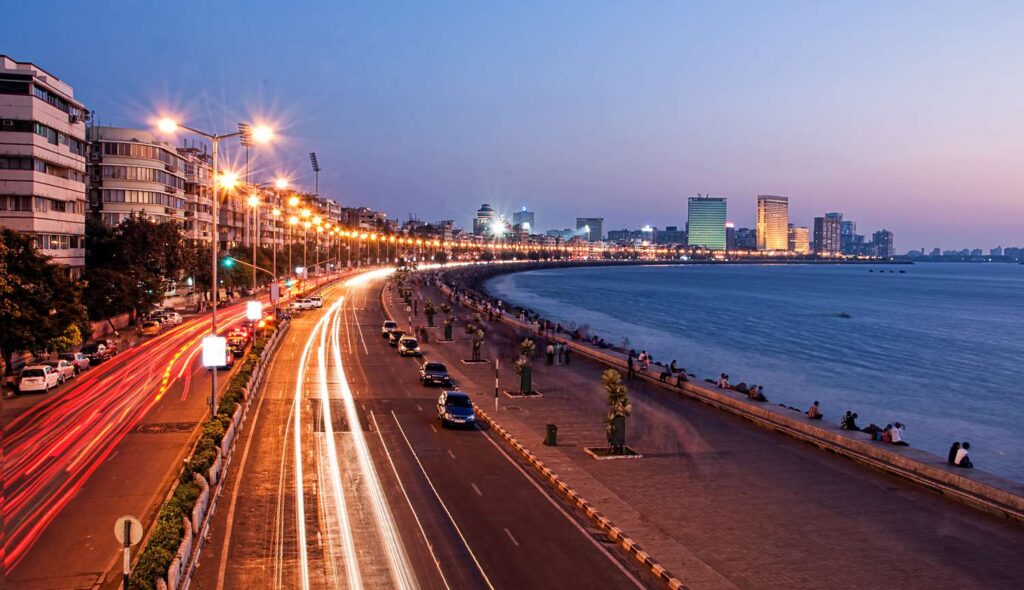
2. Marine Drive
Also called the Queen’s Necklace, this seaside promenade is perfect for sunset views and night strolls.
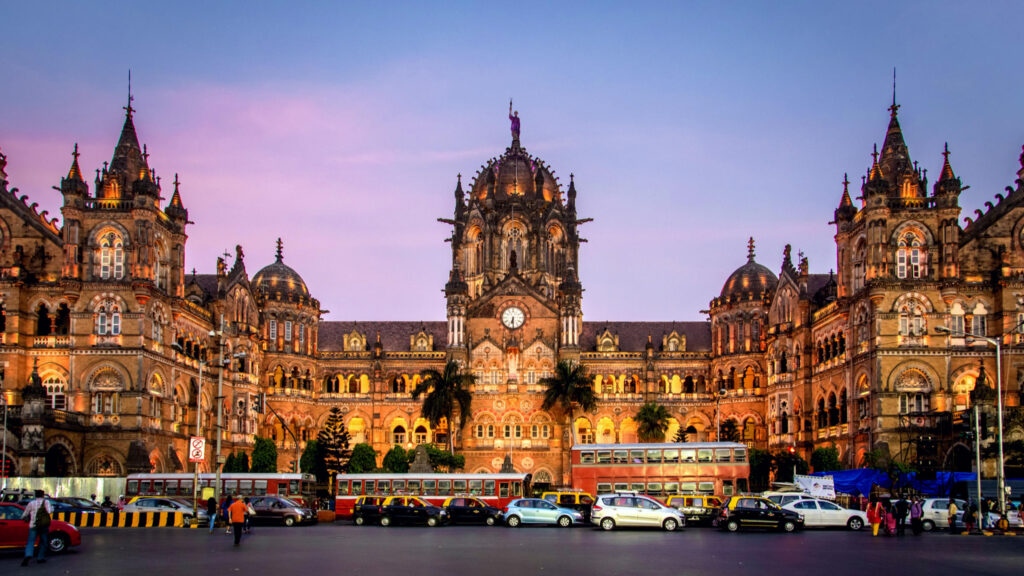
3. Chhatrapati Shivaji Maharaj Terminus (CSMT)
A UNESCO World Heritage Site known for its stunning Victorian Gothic architecture.
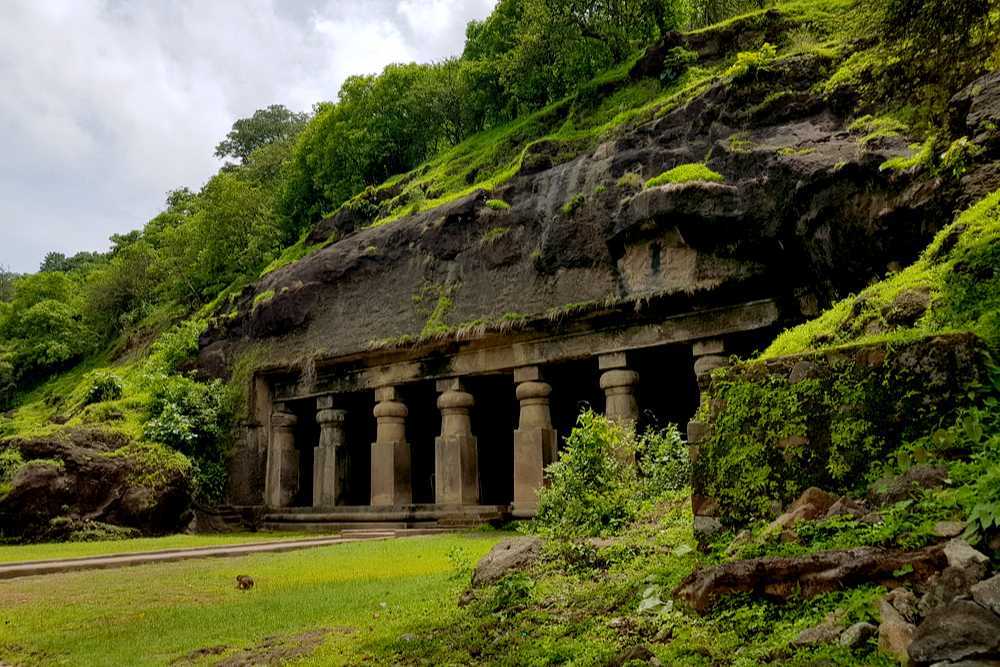
4. Elephanta Caves
Ancient rock-cut caves dedicated to Lord Shiva, located on Elephanta Island (short ferry ride from Gateway).
5. Colaba Causeway
A lively street market for shopping, cafés, and souvenirs.
6. Juhu Beach
One of Mumbai’s most popular beaches—famous for street food like pav bhaji and bhel puri.
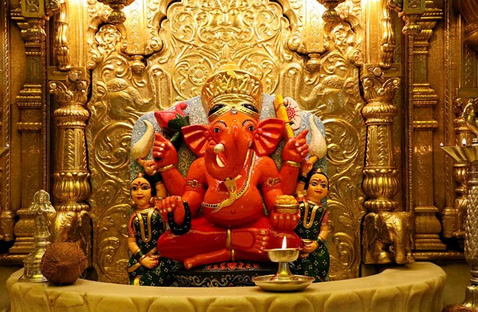
7. Siddhivinayak Temple
A famous temple dedicated to Lord Ganesha, visited by devotees and celebrities alike.
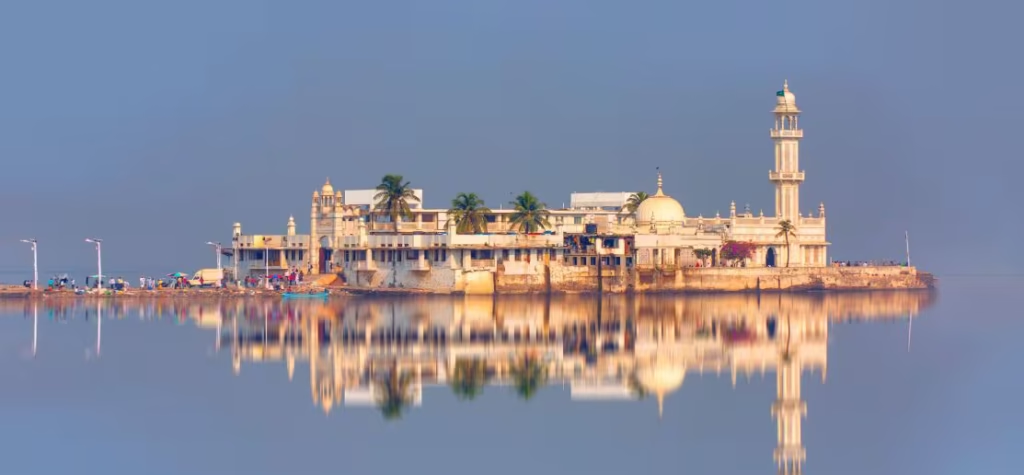
8. Haji Ali Dargah
A beautiful mosque located on a small islet, connected by a narrow walkway during low tide.
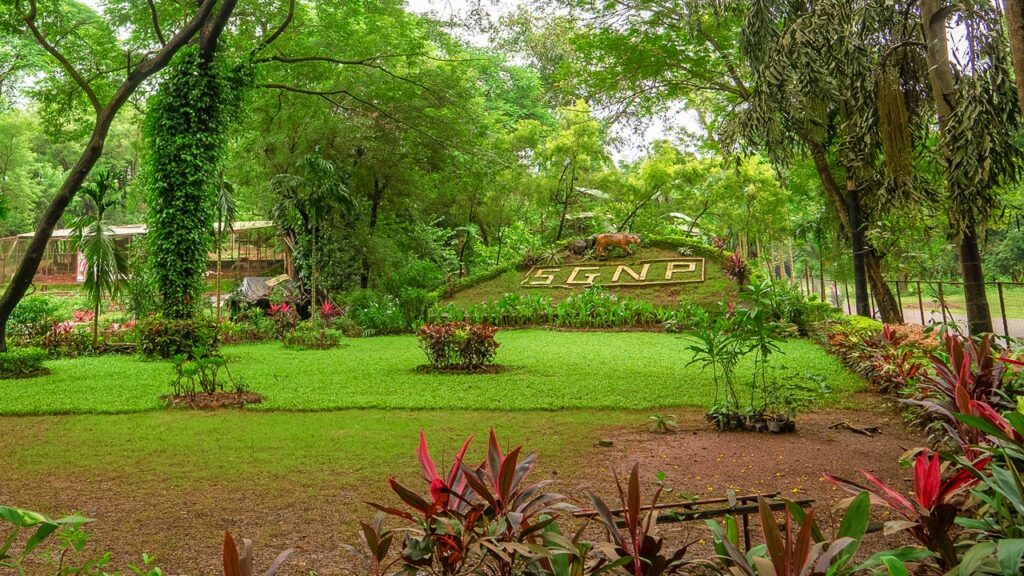
9. Sanjay Gandhi National Park
A green escape within the city, home to Kanheri Caves, wildlife, and nature trails.
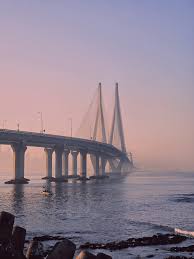
10. Bandra-Worli Sea Link
A modern engineering marvel offering stunning views—especially at night.
Goa is one of India’s most loved travel destinations, famous for its golden beaches, Portuguese heritage, nightlife, waterfalls, forts, and vibrant food culture. Whether you are looking for adventure, relaxation, history, or scenic beauty, Goa offers something for every traveler. Here are the top 10 places you should visit during your trip to Goa.
1. Baga Beach
One of the most popular beaches in Goa, Baga Beach is known for its lively atmosphere, beach shacks, water sports, and nightlife. Visitors can enjoy parasailing, jet skiing, banana boat rides, and delicious seafood while watching the sunset. At night, the area transforms into a party destination with music and entertainment.
Best for: Nightlife, water sports, beach parties
2. Calangute Beach
Often called the “Queen of Beaches,” Calangute Beach attracts travelers from all over the world. The beach is lined with restaurants, cafes, shopping stalls, and resorts, making it perfect for families and first-time visitors.
Best for: Family trips, shopping, beach activities
3. Fort Aguada
Built by the Portuguese in the 17th century, Fort Aguada offers breathtaking views of the Arabian Sea. The fort once served as a defense structure and lighthouse. Today, it is one of Goa’s most iconic historical attractions.
Best for: History lovers, photography, sunset views
4. Dudhsagar Falls
Dudhsagar Falls is among the tallest waterfalls in India and a major attraction for nature lovers. Surrounded by lush forests and wildlife, the waterfall looks especially spectacular during the monsoon season.
Best for: Nature trips, trekking, adventure
5. Basilica of Bom Jesus
A UNESCO World Heritage Site, the Basilica of Bom Jesus is one of the most important churches in India. It is famous for its beautiful baroque architecture and the preserved remains of St. Francis Xavier.
Best for: Heritage tourism, architecture, spirituality
6. Anjuna Beach
Anjuna Beach is famous for its laid-back vibe, flea market, and nightlife. The beach attracts backpackers and international tourists who come to enjoy music festivals, cafes, and stunning coastal views.
Best for: Backpacking, nightlife, flea markets
7. Chapora Fort
Chapora Fort became widely popular after appearing in Bollywood films. The fort provides panoramic views of the sea and nearby beaches, making it a favorite spot for photography and evening walks.
Best for: Scenic views, history, photography
8. Palolem Beach
Located in South Goa, Palolem Beach is known for its calm waters, peaceful environment, and natural beauty. Unlike the crowded beaches of North Goa, Palolem is ideal for relaxation and romantic getaways.
Best for: Couples, relaxation, peaceful vacations
9. Se Cathedral
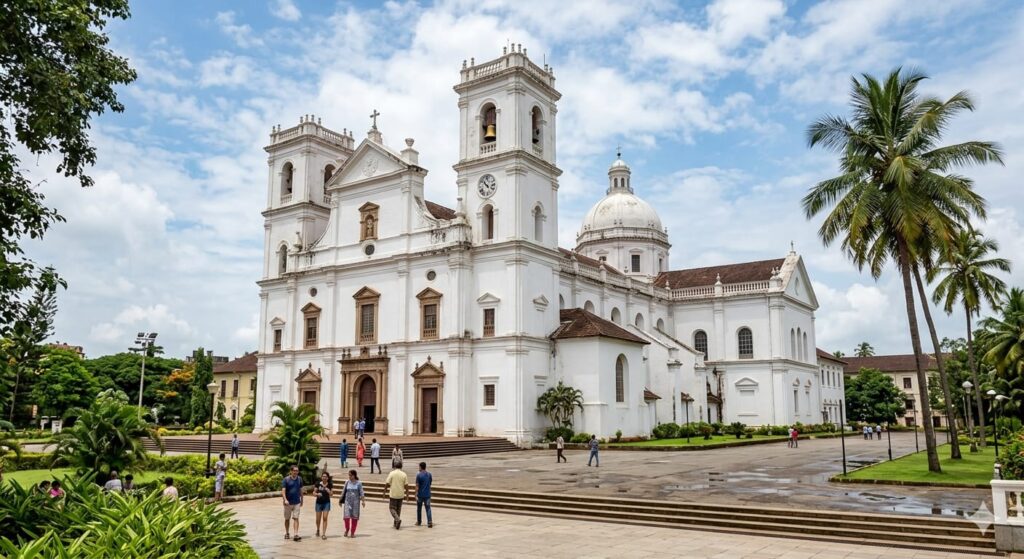
Se Cathedral is one of the largest churches in Asia and an outstanding example of Portuguese colonial architecture. Its grand interiors and historical importance make it a must-visit attraction.
Best for: Architecture enthusiasts, cultural exploration
10. Fontainhas
Fontainhas, located in Panaji, is Goa’s Latin Quarter and is famous for its colorful Portuguese-style houses, narrow streets, art galleries, and charming cafes. Walking through this neighborhood feels like stepping into a European town.
Best for: Culture, photography, heritage walks
Best Time to Visit Goa
The ideal time to visit Goa is between November and February, when the weather is pleasant and perfect for sightseeing and beach activities. Travelers visiting during December can also enjoy Christmas and New Year celebrations.
Pizza is one of the most loved foods around the world, but not everyone has access to an oven. The good news is that you can still make a delicious pizza right at home using simple tools like a pan or tawa. This method is easy, quick, and perfect for beginners.
In a bowl, mix flour, sugar, salt, and baking powder. Add oil and mix well. Slowly add warm water and knead into a soft dough. Cover it and let it rest for 20–30 minutes.
After resting, divide the dough into small portions. Roll one portion into a round pizza base using a rolling pin. Make sure it’s not too thick or too thin.
Step 3: Cook the Base
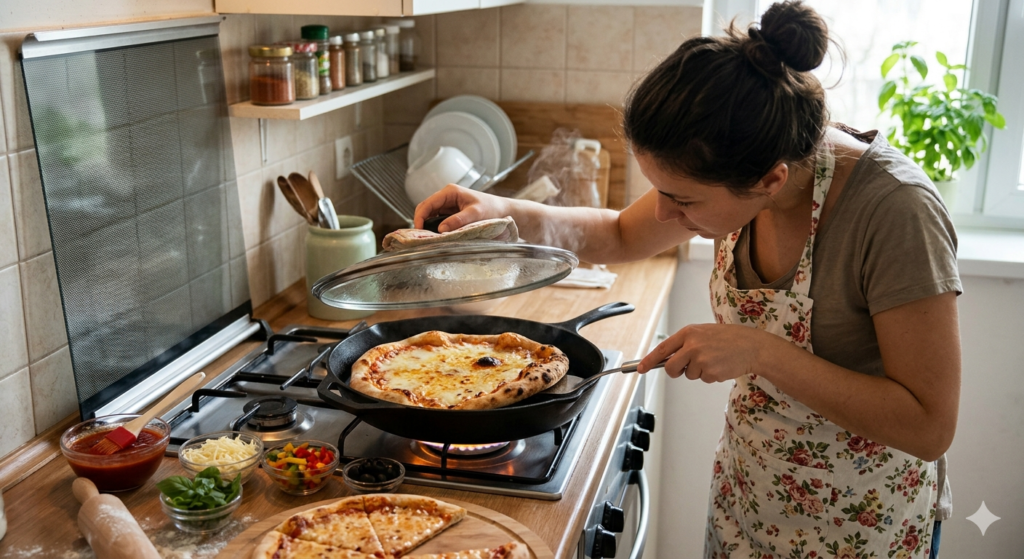
Heat a pan or tawa on low flame. Place the rolled dough on it and cook one side slightly until small bubbles appear. Flip it.
Step 4: Add Toppings
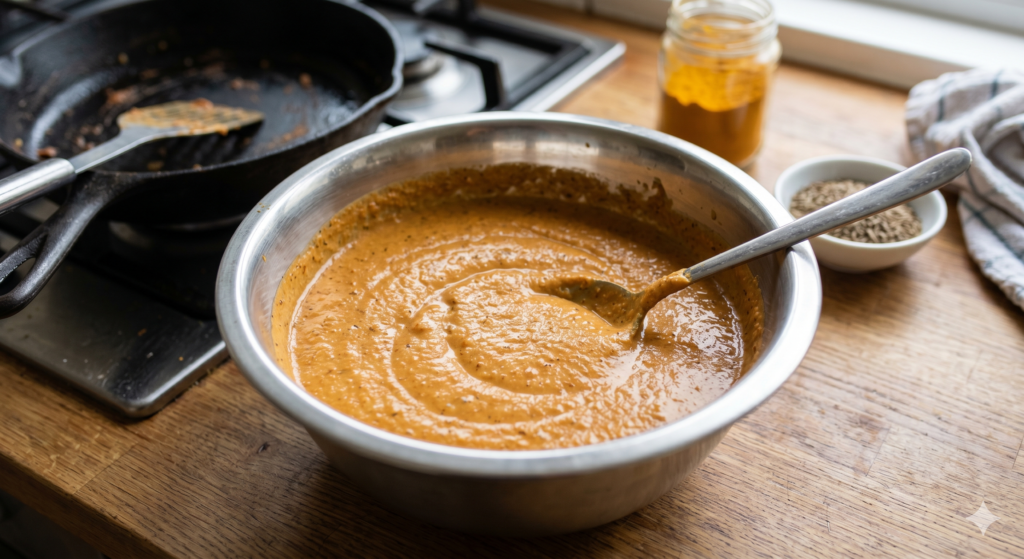
Now spread pizza sauce on the cooked side. Add cheese and your favorite vegetables. Sprinkle oregano and chili flakes for extra flavor.
Step 5: Cook Without Oven
Cover the pan with a lid and cook on very low flame for 8–10 minutes. This helps the cheese melt and the base cook properly. You can also place a stand inside a large pot (kadhai), preheat it, and cook the pizza inside for a more “oven-like” result.
Step 6: Serve Hot
Once the cheese melts and the base becomes crispy, remove the pizza from the pan. Cut into slices and serve hot.
Tips for Best Results
Always cook on low flame to avoid burning the base.
Use a thick-bottomed pan for even cooking.
Add cheese generously for better taste.
You can also use ready-made pizza base to save time.
Conclusion
Making pizza without an oven is simple and fun. With just a pan and basic ingredients, you can enjoy a homemade pizza that tastes just as good as bakery-style ones. Try experimenting with different toppings and sauces to create your own unique flavors.
In this article we are going to learn how to make pasta. Pasta is one of the most beloved dishes across the world, known for its simplicity, versatility, and comforting taste. Whether you are preparing a quick weekday meal or crafting a gourmet experience, learning how to make pasta properly can elevate your cooking skills significantly. This guide walks you through everything—from making fresh pasta dough to cooking and pairing it with the perfect sauce.
Understanding Pasta: The Basics
Before jumping into cooking, it helps to understand what pasta actually is. At its core, pasta is made from a combination of flour and liquid (usually eggs or water). The dough is then shaped into various forms and cooked in boiling water.
There are two main types of pasta:
Fresh pasta – Soft, tender, and made at home or in small batches
Dried pasta – Store-bought and longer shelf life
Both types have their place in the kitchen, and mastering both will make you a more versatile cook.
Ingredients You’ll Need
For Fresh Pasta Dough:
2 cups all-purpose flour (or “00” flour for smoother texture)
3 large eggs
A pinch of salt
1 tablespoon olive oil (optional)
For Cooking Pasta:
Water
Salt
For Basic Sauce (Example: Tomato Sauce):
2 tablespoons olive oil
3 cloves garlic (chopped)
4 ripe tomatoes or 1 cup canned tomatoes
Salt and pepper to taste
Fresh basil (optional)
Step 1: Making Fresh Pasta Dough
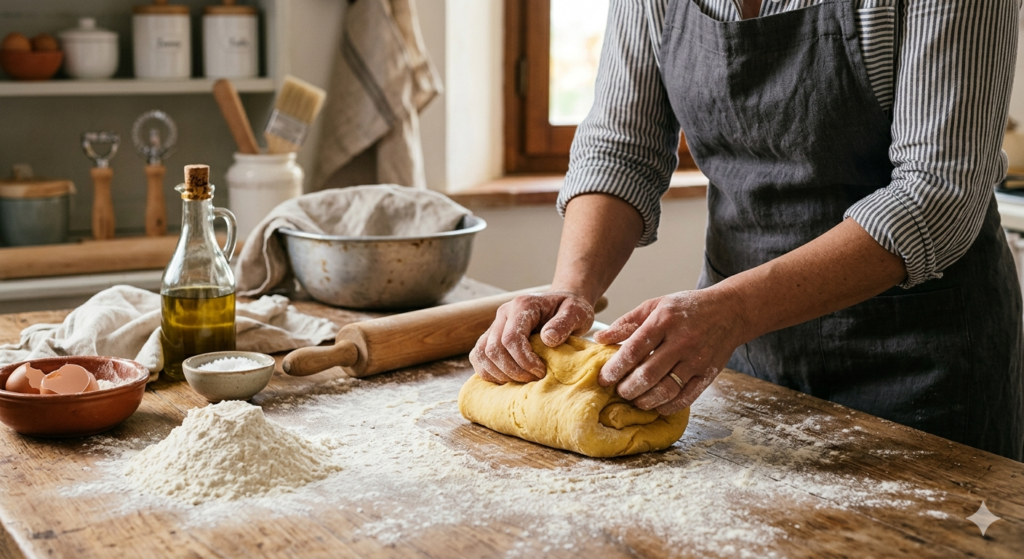
Start by placing the flour on a clean surface and forming a mound. Create a well in the center and crack the eggs into it. Add a pinch of salt.
Using a fork, gently beat the eggs and gradually incorporate the flour from the edges. Once it starts to come together, use your hands to knead the dough.
Kneading the Dough:
Knead for about 8–10 minutes
The dough should become smooth and elastic
If it feels sticky, add a little flour
If it feels dry, add a few drops of water
Wrap the dough in plastic or cover it with a bowl and let it rest for at least 30 minutes. This helps relax the gluten and makes rolling easier.
Step 2: Rolling and Shaping the Pasta
After resting, divide the dough into smaller portions. Roll each portion using a rolling pin or pasta machine until thin.
Common Shapes:
Fettuccine – Flat ribbons
Spaghetti – Thin strands
Lasagna sheets – Wide flat layers
Penne – Tube-shaped (usually made from dried pasta)
Dust lightly with flour to prevent sticking.
Step 3: Cooking the Pasta
Bring a large pot of water to a rolling boil. Add a generous amount of salt—the water should taste slightly salty like the sea.
Add the pasta and cook:
Fresh pasta: 2–4 minutes
Dried pasta: 8–12 minutes (depending on type)
Stir occasionally to prevent sticking.
Tip:
Cook pasta until al dente, which means it should be tender but still slightly firm when bitten.
Reserve a cup of pasta water before draining—it’s useful for sauces.
Step 4: Preparing the Sauce
While the pasta cooks, prepare your sauce.
Simple Tomato Sauce:
Heat olive oil in a pan
Add garlic and sauté until fragrant
Add tomatoes and cook for 10–15 minutes
Season with salt and pepper
Add basil for freshness
You can also explore other sauces:
Cream-based (Alfredo)
Pesto (basil, nuts, cheese)
Butter and garlic
Cheese-based sauces
Step 5: Combining Pasta and Sauce
Add the cooked pasta directly into the sauce pan. Toss well so every strand or piece is coated.
Add a splash of reserved pasta water to help the sauce cling better.
Cook together for 1–2 minutes for better flavor absorption.
Step 6: Serving the Pasta
Serve hot and garnish with:
Grated cheese (like Parmesan)
Fresh herbs
A drizzle of olive oil
Pair with garlic bread or a simple salad for a complete meal.
Tips for Perfect Pasta
Always salt your water—it enhances flavor
Don’t overcook pasta; texture matters
Use fresh ingredients for better taste
Match pasta shapes with suitable sauces (thicker sauces for larger shapes)
Avoid rinsing pasta after cooking unless making cold dishes
Making pasta is both an art and a skill that improves with practice. From kneading dough to choosing the right sauce, each step contributes to the final dish. Once you master the basics, you can experiment with flavors, shapes, and techniques to create your own signature pasta recipes.
Cooking pasta at home not only ensures freshness but also gives you full control over ingredients and taste. Whether simple or elaborate, a well-made pasta dish is always satisfying.