Blog

  • How to Make Rasgulla at Home

    How to Make Rasgulla at Home

    Rasgulla is one of the most famous Indian sweets, loved for its soft texture, juicy sweetness, and spongy feel. It is made mainly from fresh chenna (Indian cottage cheese) and sugar syrup. Rasgulla is especially popular in states like West Bengal and Odisha and is served during festivals, celebrations, weddings, and family gatherings.

    Making rasgulla at home may look difficult at first, but with the right method and patience, you can prepare soft and delicious rasgullas easily. The secret lies in preparing smooth chenna, kneading properly, and cooking in the correct sugar syrup.

    This article explains the complete process of making rasgulla step by step in simple language.

    Ingredients Required

    For Making Chenna

    • 1 liter full cream milk
    • 2 tablespoons lemon juice or vinegar
    • 2 cups cold water

    For Sugar Syrup

    • 1½ cups sugar
    • 4 cups water
    • 2–3 cardamom pods (optional)
    • 1 teaspoon rose water or kewra water (optional)

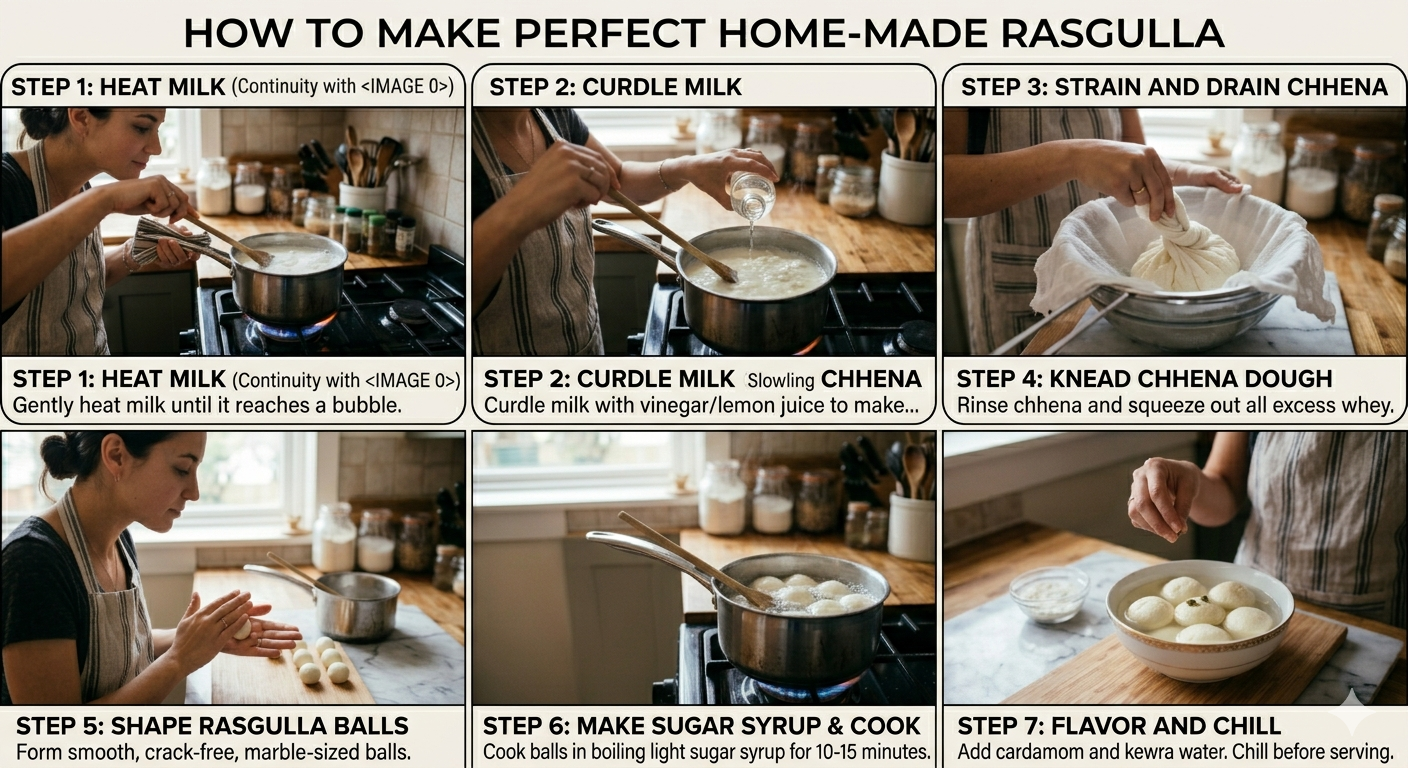
    Step 1: Boiling the Milk
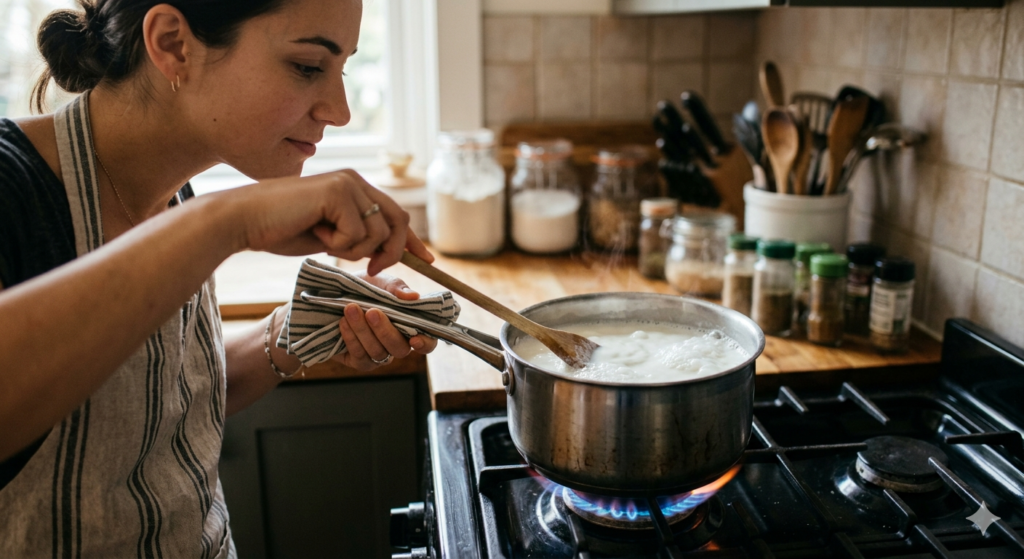
    home made rasgulla

    Take a large heavy-bottom pan and pour 1 liter of full cream milk into it. Always use fresh full-fat milk because it gives soft and rich chenna.

    Turn on medium flame and let the milk boil slowly. Stir occasionally so the milk does not stick to the bottom of the pan.

    When the milk starts boiling completely, reduce the flame to low.

    Step 2: Curdling the Milk

    Mix lemon juice with a little water before adding it to the milk. Slowly pour the lemon mixture into the boiling milk while stirring gently.

    After a few seconds, the milk will start separating into greenish water and white curdled milk solids. These milk solids are called chenna.

    If the milk does not curdle completely, add a little more lemon juice.

    Once the milk is fully curdled, immediately switch off the flame.


    Step 3: Washing the Chenna

    Place a cotton cloth or muslin cloth over a strainer and pour the curdled milk into it carefully.

    The water will drain away, and the chenna will remain in the cloth.

    Now wash the chenna under cold running water. This step is very important because it removes the sour taste of lemon or vinegar.

    After washing, squeeze gently to remove extra water.

    Tie the cloth and hang it for about 30–40 minutes. Do not dry the chenna completely. It should remain slightly moist.


    Step 4: Kneading the Chenna

    Take the prepared chenna onto a clean plate or smooth surface.

    Now start kneading it with the palm of your hand. This is one of the most important steps in making rasgulla.

    Knead for around 8–10 minutes until the chenna becomes soft, smooth, and slightly greasy.

    There should be no grains or lumps in the mixture.

    If the dough becomes too dry, rasgullas will turn hard. If too wet, they may break while cooking.

    The final dough should feel smooth and soft.


    Step 5: Making Rasgulla Balls

    Take small portions from the dough and roll them gently between your palms.

    Make smooth balls without cracks. Cracks can cause rasgullas to break during cooking.

    Do not make very large balls because rasgullas expand while boiling in sugar syrup.

    Prepare all balls and keep them aside.
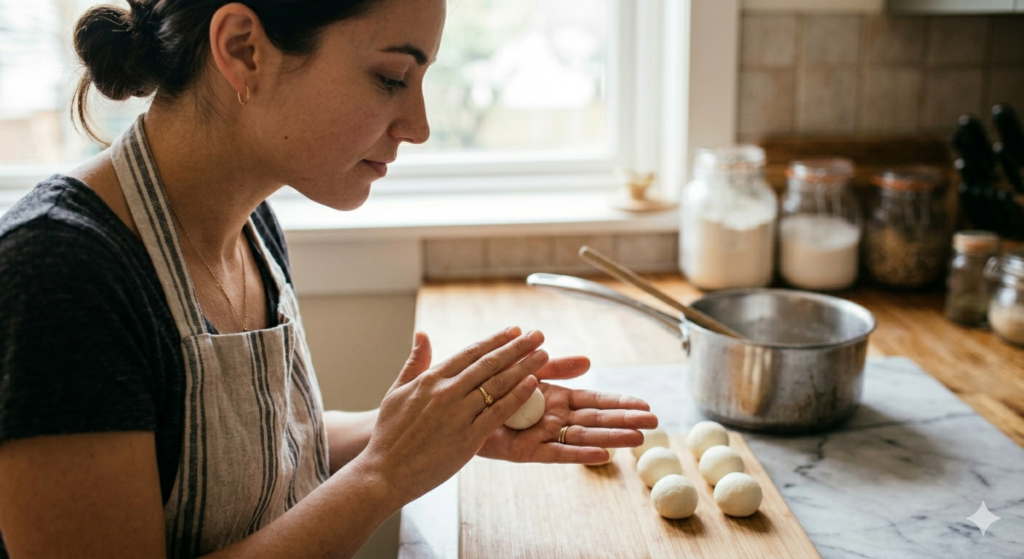
    bengali resgulla

    Step 6: Preparing Sugar Syrup

    Take a deep and wide pan or pressure cooker.

    Add 1½ cups sugar and 4 cups water.

    Heat the mixture on medium flame and stir until the sugar dissolves completely.

    You can add cardamom pods for extra flavor.

    The syrup should be thin, not thick.

    Once the syrup starts boiling, it is ready for cooking the rasgullas.


    Step 7: Cooking the Rasgullas

    Carefully drop the prepared balls into the boiling sugar syrup.

    Cover the pan with a lid.

    Cook on medium-high flame for about 15–20 minutes.

    During cooking, the rasgullas will expand and become double in size.

    You can sprinkle a little warm water if the syrup becomes too thick during boiling.

    Do not overcrowd the pan because rasgullas need space to expand properly.

    Avoid stirring too much, as they are delicate and may break.


    Step 8: Checking Whether Rasgullas Are Ready

    After 15–20 minutes, switch off the flame.

    Take one rasgulla in a spoon and press it gently.

    If it springs back to shape, it is cooked properly.

    If it feels rubbery or hard, it may have been overcooked or the chenna was too dry.

    Allow the rasgullas to cool completely in the syrup.


    Step 9: Flavoring and Serving

    You can add rose water or kewra water once the rasgullas cool slightly.

    Refrigerate for a few hours before serving for best taste.

    Serve chilled or at room temperature.

    Soft rasgullas soaked in cold syrup taste extremely refreshing during summer.
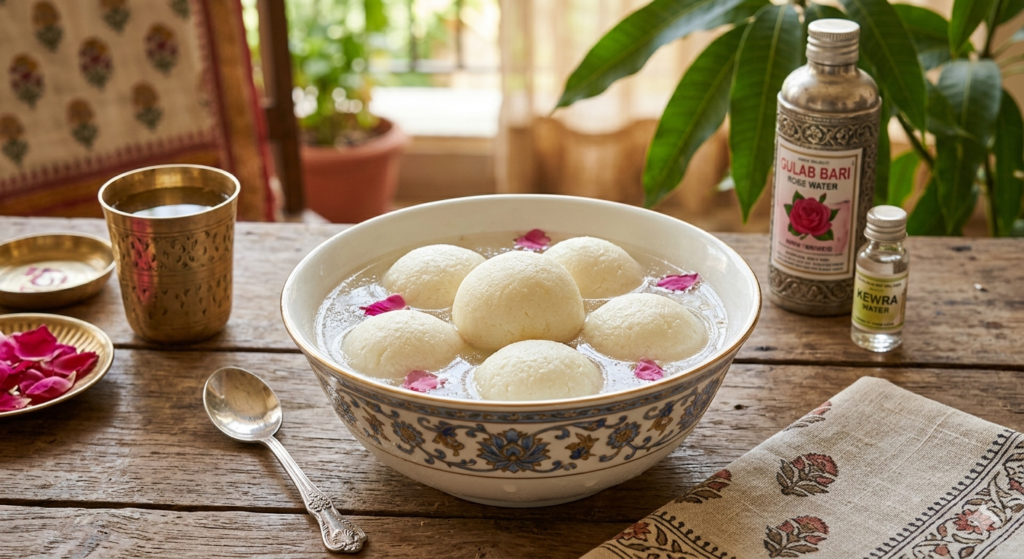
    juicy rasgulla desert row

    Important Tips for Soft Rasgullas

    Use Full Cream Milk

    Full-fat milk produces soft and rich chenna. Toned or skimmed milk may give hard rasgullas.

    Do Not Overdry Chenna

    The chenna should have slight moisture. Very dry chenna makes rasgullas hard.

    Knead Properly

    Proper kneading creates smooth texture and softness.

    Sugar Syrup Must Be Thin

    A thick syrup prevents rasgullas from expanding properly.

    Cook on Correct Flame

    Too low flame makes rasgullas dense, while too high flame may break them.


    Common Mistakes While Making Rasgulla

    Rasgullas Become Hard

    This happens when:

    • Chenna is dry
    • Kneading is insufficient
    • Syrup is too thick

    Rasgullas Break in Syrup

    This happens when:

    • Dough is too wet
    • Balls have cracks
    • Syrup is not boiling properly

    Rubbery Texture

    Overcooking often causes rubbery rasgullas.


    Different Variations of Rasgulla

    Sponge Rasgulla

    Extra soft and airy version cooked carefully in light syrup.

    Rajbhog

    A larger version of rasgulla filled with dry fruits and saffron.

    Kesar Rasgulla

    Prepared with saffron for rich flavor and golden color.

    Angoori Rasgulla

    Mini-sized rasgullas served in desserts or rabri.


    Nutritional Information

    Rasgulla mainly contains:

    • Milk protein
    • Sugar
    • Calcium
    • Carbohydrates

    It provides quick energy because of sugar syrup. Since it is made from milk, it also contains protein and calcium.

    However, it should be eaten in moderation because it is a sweet dessert.


    Cultural Importance of Rasgulla

    Rasgulla holds an important place in Indian culture and celebrations. It is commonly offered during:

    • Festivals
    • Weddings
    • Birthday parties
    • Religious ceremonies

    In many Indian homes, guests are welcomed with sweets like rasgulla.

    The sweet is also famous internationally and represents traditional Indian dessert culture.


    Storage Tips

    • Store rasgullas in the refrigerator.
    • Keep them immersed in syrup to maintain softness.
    • Best consumed within 3–4 days.

    Do not freeze because freezing can spoil the texture

    also read :How to Make a Traditional Rajasthani Thali
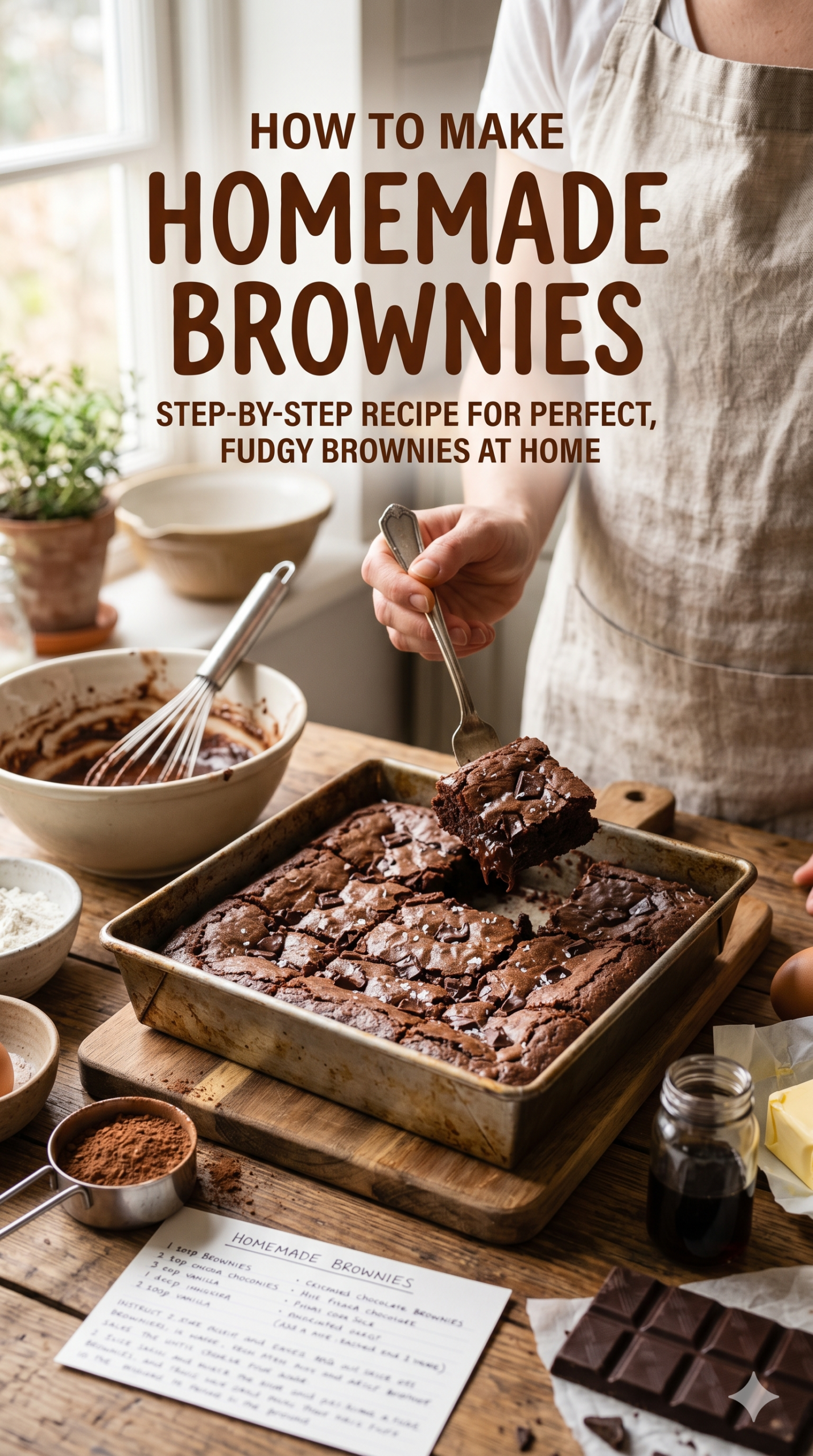
  • How to make Chocolate Brownie at home

    How to make Chocolate Brownie at home

    Chocolate brownies are one of the most loved desserts in the world. They are soft, rich, chocolaty, and very easy to prepare at home. A brownie can be fudgy, chewy, or cakey depending on the ingredients and baking method. Homemade brownies taste much better than packaged ones because they are fresh and can be customized according to personal taste. You can add nuts, chocolate chips, coffee, caramel, or even ice cream on top. Making brownies at home is also economical and fun for family members.

    In this article, you will learn how to make delicious chocolate brownies at home step by step, including ingredients, preparation method, baking tips, variations, and serving ideas.


    Introduction to Chocolate Brownies

    A brownie is a baked chocolate dessert that originated in the United States. It is usually square or rectangular in shape and has a dense texture. Brownies are popular because they combine the taste of cake and chocolate in one dessert.

    There are mainly three types of brownies:

    1. Fudgy Brownies – Moist, dense, and rich in chocolate.
    2. Cakey Brownies – Light and fluffy like a cake.
    3. Chewy Brownies – Slightly elastic with a crispy top layer.

    Homemade brownies can be prepared in an oven, microwave, or even a pressure cooker. The recipe below explains the traditional oven method, which gives the best texture and flavor.


    Ingredients Required

    Chocolate brownie

    To make classic chocolate brownies at home, you need simple ingredients easily available in the kitchen or market.

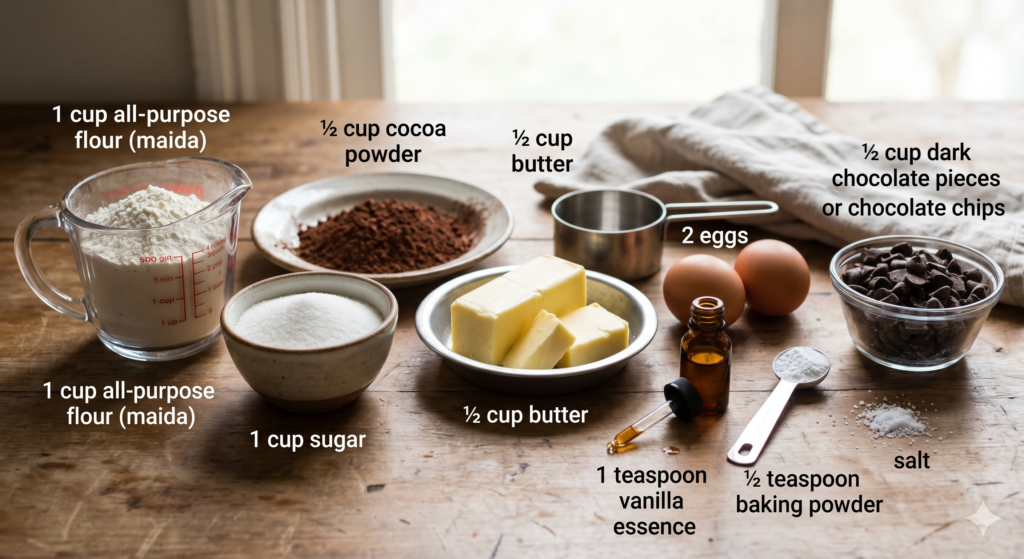
    Main Ingredients

    • 1 cup all-purpose flour (maida)
    • 1 cup sugar
    • ½ cup cocoa powde
    • ½ cup butter
    • 2 eggs
    • 1 teaspoon vanilla essence
    • ½ teaspoon baking powder
    • A pinch of salt
    • ½ cup dark chocolate pieces or chocolate chips

    Optional Ingredients

    • Chopped walnuts or almonds
    • Coffee powder for enhanced flavor
    • Milk if batter becomes thick
    • Caramel sauce
    • Ice cream for serving

    Equipment Needed

    Before starting, keep the following items ready:

    • Mixing bowls
    • Whisk or spoon
    • Baking tray or brownie pan
    • Butter paper or parchment paper
    • Oven
    • Measuring cups and spoons
    • Sieve

    Using proper equipment makes the brownie preparation easy and smooth.


    Step-by-Step Preparation Method

    Step 1: Preheat the Oven

    Set the oven to 180°C (350°F) and allow it to preheat for about 10–15 minutes. Preheating is important because it helps the brownies bake evenly.

    Meanwhile, grease the baking tray with butter and place butter paper inside it. This prevents the brownies from sticking.


    Step 2: Melt Butter and Chocolate

    Take a pan and add butter along with dark chocolate pieces. Melt them on low heat while stirring continuously.

    You can also melt them in the microwave for 30-second intervals.

    The mixture should become smooth and glossy. Let it cool slightly before using.

    This step gives brownies their rich chocolate flavor and soft texture.


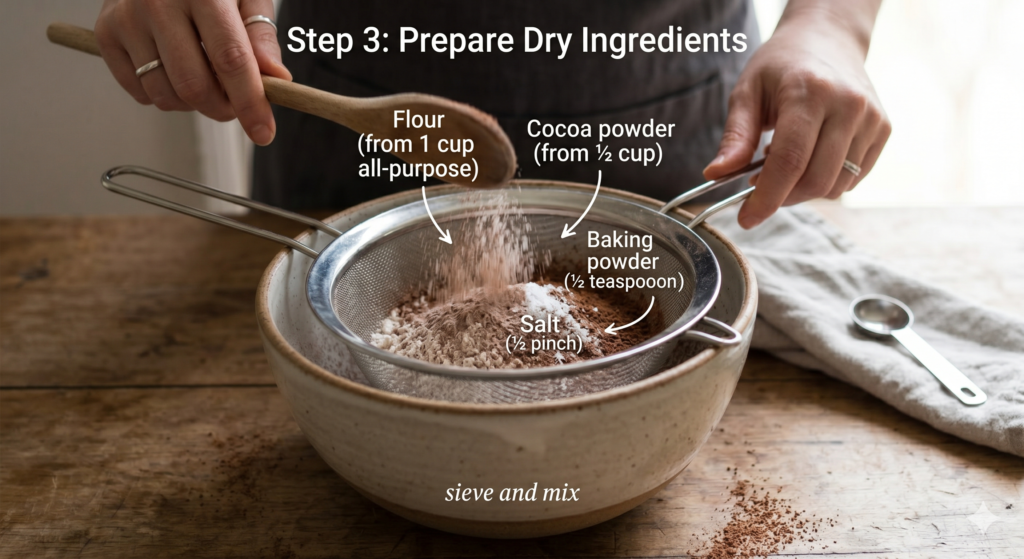
    Step 3: Prepare Dry Ingredients

    Fresh and hygienic brownie

    Take another bowl and sieve:

    • Flour
    • Cocoa powder
    • Baking powder
    • Salt

    Sieving removes lumps and mixes the ingredients evenly.

    The cocoa powder adds deep chocolate flavor, while baking powder helps the brownies rise slightly.


    Step 4: Beat Eggs and Sugar

    In a separate bowl, add eggs and sugar. Beat them using a whisk until the mixture becomes light and slightly creamy.

    Do not overbeat because brownies should remain dense rather than fluffy.

    Add vanilla essence to enhance aroma and taste.


    Step 5: Mix Wet Ingredients

    Now pour the melted butter-chocolate mixture into the egg mixture.

    Mix slowly and carefully.

    The batter will become smooth and shiny.


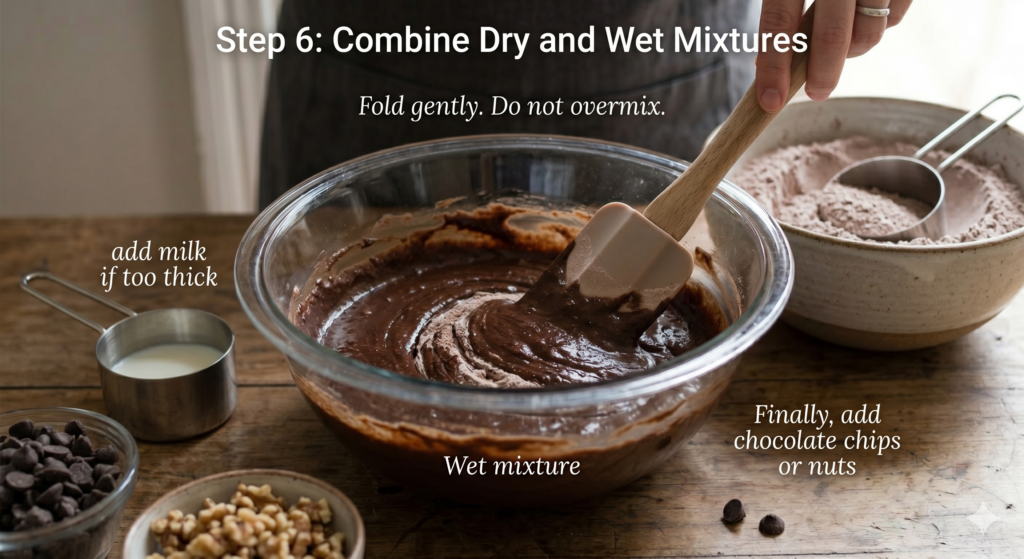
    Step 6: Combine Dry and Wet Mixtures

    Home made Brownie

    Gradually add the dry ingredients into the wet mixture.

    Fold gently using a spatula or spoon.

    Do not overmix because it may make brownies hard.

    If the batter feels too thick, add 2–3 tablespoons of milk.

    Finally, add chocolate chips or nuts.


    Step 7: Pour Batter into Baking Tray

    Transfer the batter into the greased baking tray.

    Spread it evenly using a spatula.

    Tap the tray lightly on the table to remove air bubbles.


    Step 8: Bake the Brownies

    Place the tray in the preheated oven.

    Bake at 180°C for 25–30 minutes.

    Check using a toothpick:

    • If it comes out with a few moist crumbs, the brownies are ready.
    • If liquid batter sticks, bake for a few more minutes.

    Avoid overbaking because brownies become dry.


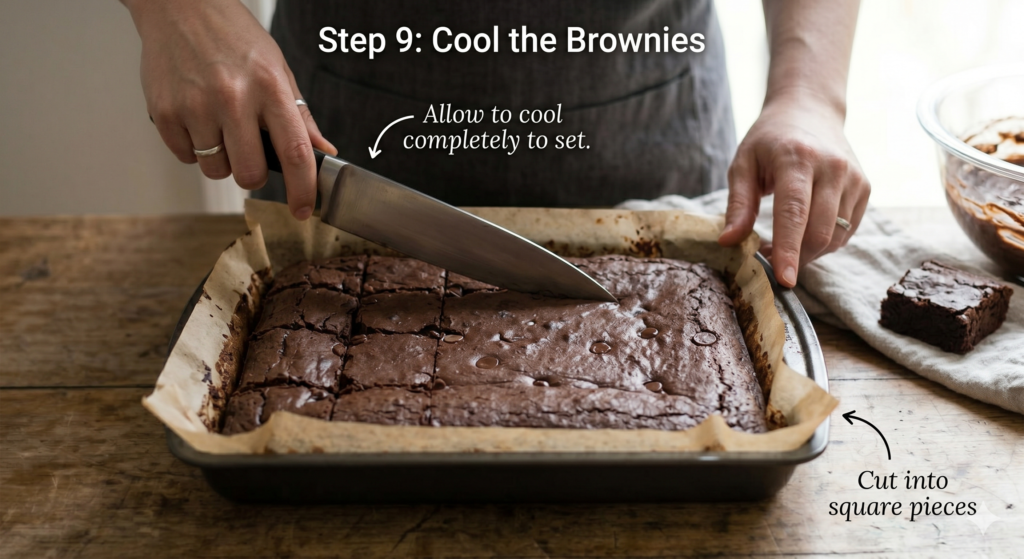
    Step 9: Cool the Brownies

    Sweet tooth satisfaction

    Remove the tray from the oven and allow brownies to cool completely.

    Cooling helps them set properly.

    Cut them into square pieces using a sharp knife.


    Tips for Perfect Brownies

    Making perfect brownies requires some simple techniques.

    1. Use Good Quality Chocolate

    High-quality chocolate improves taste and texture.

    Dark chocolate gives rich flavor, while milk chocolate gives sweetness.


    2. Do Not Overmix Batter

    Overmixing develops gluten in flour, making brownies tough.

    Fold the batter gently.


    3. Avoid Overbaking

    Brownies continue cooking after removal from the oven.

    Slightly underbaked brownies become fudgy and soft.


    4. Use Room Temperature Eggs

    Room temperature eggs mix better and create smooth batter.


    5. Add Coffee Powder

    A small amount of coffee powder enhances chocolate flavor without making brownies taste like coffee.


    Variations of Chocolate Brownies

    Brownies can be customized in many ways.

    1. Walnut Brownies

    Add chopped walnuts for crunch and nutty flavor.


    2. Fudge Brownies

    Use more butter and chocolate with less flour for extra fudginess.


    3. Eggless Brownies

    Replace eggs with:

    • Yogurt
    • Condensed milk
    • Mashed banana

    This is suitable for vegetarians.


    4. Caramel Brownies

    Add caramel sauce between layers of batter.


    5. Oreo Brownies

    Place crushed Oreo biscuits on top before baking.


    6. Peanut Butter Brownies

    Swirl peanut butter into the batter for rich flavor.


    Serving Suggestions

    Chocolate brownies taste amazing when served creatively.

    1. With Ice Cream

    Serve warm brownies with vanilla ice cream.

    The hot and cold combination tastes delicious.


    2. With Chocolate Syrup

    Drizzle chocolate syrup on top for extra richness.


    3. With Coffee

    Brownies pair perfectly with hot coffee or cappuccino.


    4. Brownie Sundae

    Top brownies with whipped cream, nuts, chocolate sauce, and cherries.


    Nutritional Value

    Brownies contain:

    • Carbohydrates from sugar and flour
    • Fat from butter and chocolate
    • Protein from eggs
    • Minerals from cocoa

    Although brownies are tasty, they should be eaten in moderation because they are high in calories and sugar.


    Common Mistakes While Making Brownies

    1. Using Too Much Flour

    Extra flour makes brownies dry and cakey.


    2. Overbaking

    This removes moisture and softness.


    3. Skipping Preheating

    Cold ovens cause uneven baking.


    4. Cutting While Hot

    Hot brownies break easily.

    Always cool before cutting.


    How to Store Brownies

    Brownies can be stored easily.

    Room Temperature

    Keep in an airtight container for 3–4 days.


    Refrigerator

    Store for up to one week.

    Heat slightly before serving.


    Freezer

    Wrap brownies individually and freeze for up to 2 months.


    Benefits of Homemade Brownies

    1. Fresh and hygienic
    2. No preservatives
    3. Customizable ingredients
    4. Budget-friendly
    5. Fun family activity

    Homemade brownies also allow healthier substitutions like less sugar or whole wheat flour

    Also read : Step-by-Step Method to Make Hakka Noodles

  • Top 10 Indian Recipes Featuring Dal Baati Churma

    Indian cuisine is celebrated around the world for its rich flavors, aromatic spices, and regional diversity. Among the many traditional dishes that represent the heart of Indian cooking, Dal Baati Churma holds a special place. Originating from the royal state of Rajasthan, this iconic meal combines crispy baked wheat balls called baati, spicy lentil curry known as dal, and sweet crushed wheat dessert called churma. Together, they create a complete culinary experience that reflects India’s cultural heritage and love for balanced flavors.

    Dal Baati Churma is more than just a dish; it is a celebration of tradition, hospitality, and family gatherings. Over time, Indian households and chefs have created several delicious variations and complementary recipes inspired by this classic combination. In this article, we explore the top 10 Indian recipes connected to or inspired by Dal Baati Churma, highlighting their ingredients, preparation methods, and cultural significance.

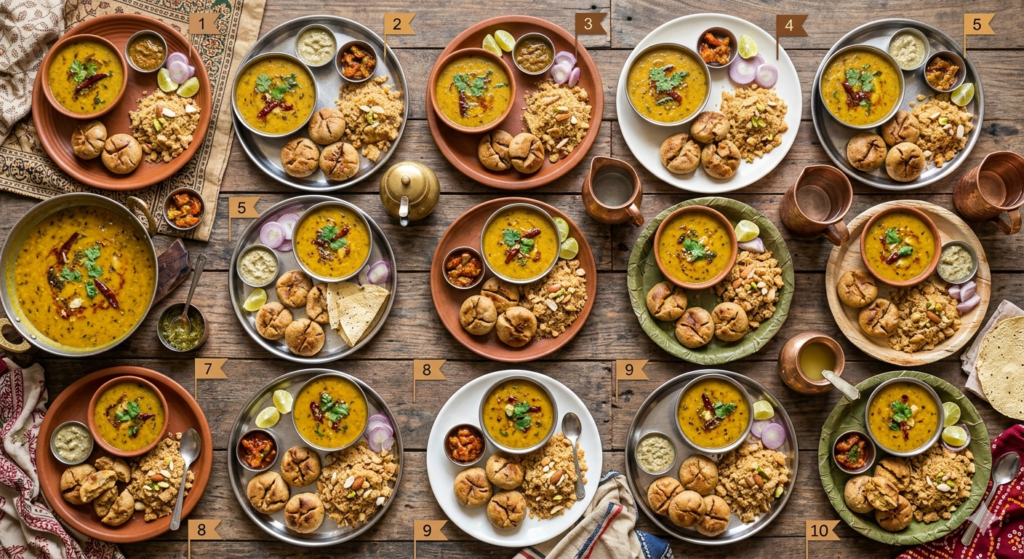
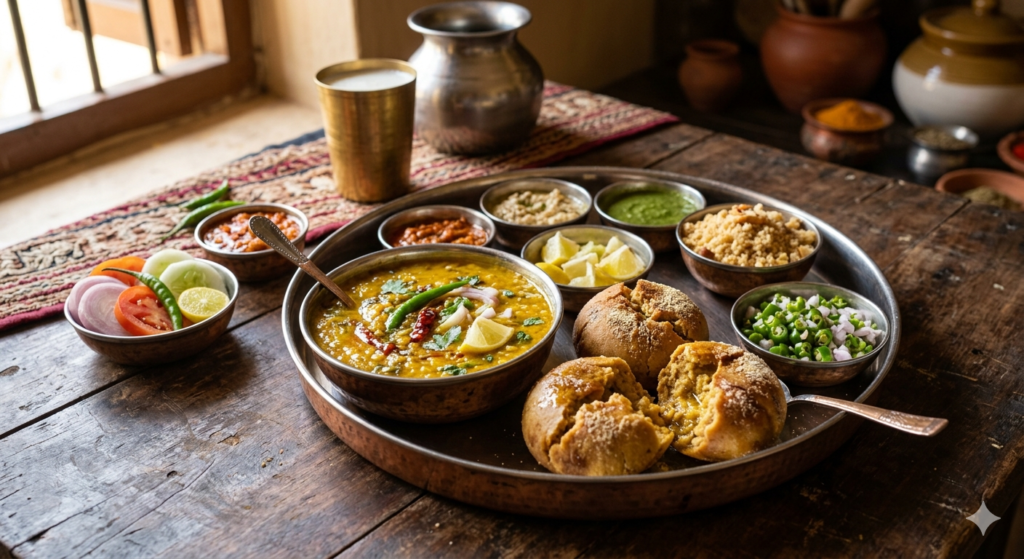
    top 10 make a dal bati churma

    1. Traditional Rajasthani Dal Baati Churma

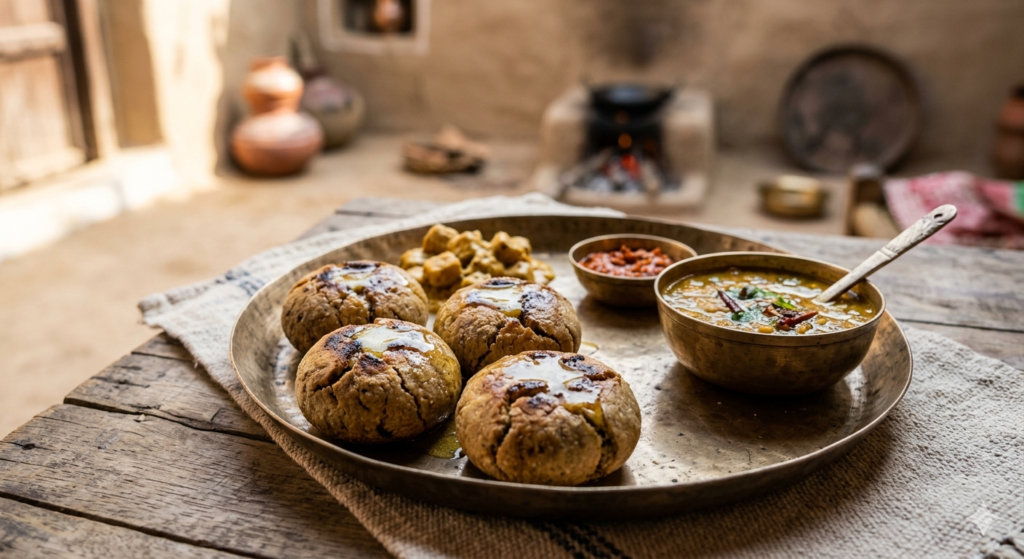
    dal bati churma

    Dal Baati Churma is the authentic version served in Rajasthan during festivals, weddings, and family feasts.

    Ingredients

    • Wheat flour
    • Semolina
    • Ghee
    • Mixed lentils (toor dal, chana dal, moong dal)
    • Garlic, ginger, and onions
    • Traditional Indian spices
    • Jaggery or sugar for churma

    Preparation

    The baatis are made by kneading wheat flour with ghee and baking them until golden brown. The dal is prepared using mixed lentils tempered with cumin, garlic, red chilies, and onions. Churma is created by crushing baked baatis and mixing them with ghee and jaggery.

    Why It’s Popular

    The dish perfectly balances spicy, savory, and sweet flavors. The generous use of ghee adds richness, making it a comforting and satisfying meal.


    2. Panchmel Dal with Baati

    Panchmel Dal is often paired with baati and is known for its nutritional value.

    Ingredients

    • Five varieties of lentils
    • Tomatoes
    • Garlic
    • Green chilies
    • Turmeric and coriander powder

    Preparation

    The lentils are pressure-cooked and blended into a creamy curry. A spicy tempering of garlic and red chilies enhances the flavor.

    Special Feature

    Panchmel Dal is protein-rich and highly nutritious. Its earthy taste complements crispy baatis beautifully.


    3. Masala Baati

    Masala Baati is a spicy variation of the traditional baati.

    Ingredients

    • Wheat flour
    • Potatoes
    • Green peas
    • Indian spices
    • Coriander leaves

    Preparation

    The baati dough is stuffed with spicy potato filling and baked until crisp.

    Why People Love It

    The spicy filling creates a flavorful twist, making masala baati a favorite among younger food lovers.


    4. Garlic Churma

    Garlic Churma is a savory adaptation of sweet churma.

    Ingredients

    • Crushed baati
    • Garlic paste
    • Red chili powder
    • Ghee
    • Coriander leaves

    Preparation

    Instead of sugar, garlic and spices are mixed into crushed baati crumbs.

    Taste Profile

    It delivers smoky, spicy, and buttery flavors, offering a unique alternative to traditional sweet churma.


    5. Bajra Baati

    Gemini_Generated_Image_qmktd5qmktd5qmkt

    Bajra Baati is a healthier version made using pearl millet flour.

    Ingredients

    • Bajra flour
    • Wheat flour
    • Ghee
    • Salt
    • Ajwain

    Preparation

    The dough is shaped into balls and baked slowly over charcoal or in an oven.

    Health Benefits

    Bajra is rich in fiber, iron, and minerals, making this recipe ideal for winter meals and healthy diets.


    6. Rajasthani Gatte Ki Sabzi with Baati

    Gatte Ki Sabzi is another famous dish often served with baati.

    Ingredients

    • Gram flour dumplings
    • Yogurt
    • Red chili powder
    • Cumin
    • Coriander

    Preparation

    Gram flour dough is boiled, sliced, and cooked in spicy yogurt gravy.

    Cultural Importance

    This recipe reflects Rajasthan’s traditional cooking style, developed in regions with limited fresh vegetables.


    7. Stuffed Onion Baati

    Stuffed Onion Baati is known for its bold flavors.

    Ingredients

    • Wheat flour
    • Onions
    • Green chilies
    • Coriander
    • Garam masala

    Preparation

    Spiced onion filling is stuffed into baati dough and baked until crisp.

    Flavor Experience

    The caramelized onion filling adds sweetness and spice, creating a delicious contrast with dal.


    8. Sweet Churma Ladoo

    Churma Ladoo transforms traditional churma into festive sweets.

    Ingredients

    • Crushed wheat balls
    • Ghee
    • Jaggery
    • Cardamom
    • Dry fruits

    Preparation

    The churma mixture is shaped into round ladoos.

    Popularity

    These ladoos are commonly prepared during festivals like Diwali and weddings.


    9. Moong Dal Baati

    Gemini_Generated_Image_oo0n6goo0n6goo0n

    Moong Dal Baati is a lighter and easier-to-digest variation.

    Ingredients

    • Yellow moong dal
    • Wheat flour
    • Ghee
    • Ginger
    • Green chilies

    Preparation

    Moong dal is cooked into a mildly spiced curry served with baked baatis.

    Why It’s Special

    Its lighter texture and mild spices make it suitable for all age groups.


    10. Jain Dal Baati Churma

    Jain Dal Baati Churma is prepared without onion and garlic.

    Ingredients

    • Lentils
    • Wheat flour
    • Mild spices
    • Ghee
    • Jaggery

    Preparation

    The dish follows Jain dietary principles while maintaining authentic flavors.

    Importance

    It demonstrates how traditional recipes can adapt to different cultural and religious preferences.


    Cultural Importance of Dal Baati Churma

    Rajasthan is known for its royal history, desert landscapes, and rich culinary traditions. Dal Baati Churma evolved as a practical meal for warriors and travelers because baatis could stay fresh for long periods. The dish later became associated with royal feasts and festive occasions.

    Today, Dal Baati Churma symbolizes hospitality in Rajasthan. Guests are often welcomed with generous servings topped with melted ghee. The meal is commonly enjoyed during festivals, weddings, and special family gatherings.


    Nutritional Value

    Dal Baati Churma provides a balanced combination of carbohydrates, proteins, fats, and fiber.

    Key Nutritional Benefits

    • Lentils provide plant-based protein.
    • Whole wheat offers dietary fiber.
    • Ghee supplies healthy fats and energy.
    • Bajra and gram flour variations increase mineral content.

    Although rich in calories, the dish is highly satisfying and energizing, making it ideal for active lifestyles.


    Tips for Perfect Dal Baati Churma

    1. Use Generous Ghee

    Authentic flavor depends heavily on pure ghee.

    2. Bake Slowly

    Baatis should cook evenly from inside while remaining crispy outside.

    3. Mix Multiple Lentils

    Combining lentils creates deeper flavor and better nutrition.

    4. Serve Hot

    Dal and baati taste best when served fresh and hot.

    5. Balance Sweetness

    Churma should have a balanced sweetness without overpowering the meal.


    Modern Variations

    Modern Indian kitchens have introduced healthier and fusion versions of Dal Baati Churma.

    Popular Innovations

    • Cheese-stuffed baati
    • Multigrain baati
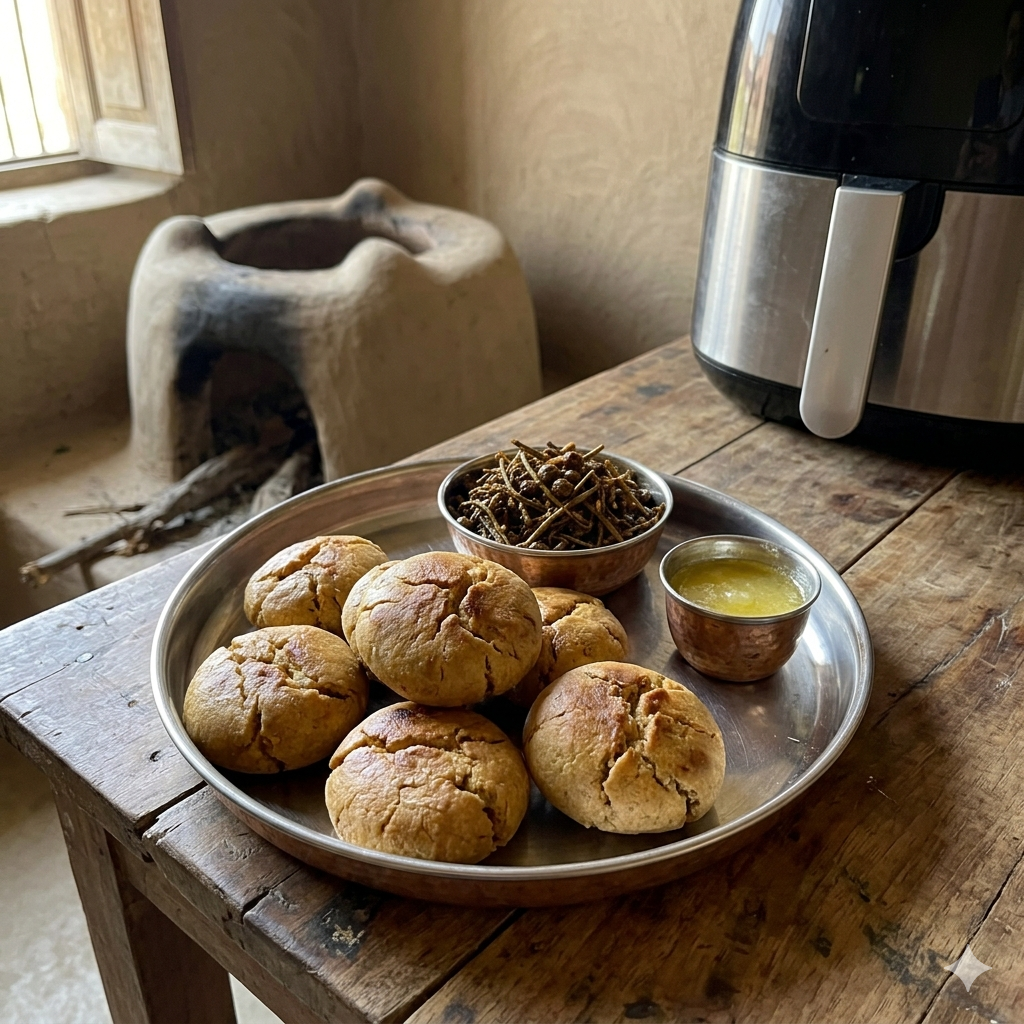
    • Air-fried baati
    • Chocolate churma dessert
    • Vegan dal baati

    Restaurants across India now serve gourmet versions while preserving the traditional essence.


    Conclusion

    Dal Baati Churma remains one of India’s most treasured culinary creations. From the classic Rajasthani preparation to modern innovative versions, the dish continues to win hearts with its rich textures, comforting flavors, and cultural significance.

    The top 10 recipes discussed above showcase the versatility and creativity of Indian cuisine. Whether you enjoy the spicy warmth of Panchmel Dal, the crunch of Bajra Baati, or the sweetness of Churma Ladoo, every variation tells a story of tradition and regional pride.

    For food lovers exploring Indian cuisine, Dal Baati Churma offers an unforgettable experience that combines taste, nutrition, and heritage in every bite.

  • How to Make a Traditional Rajasthani Thali
    How to Make a Traditional Rajasthani Thali
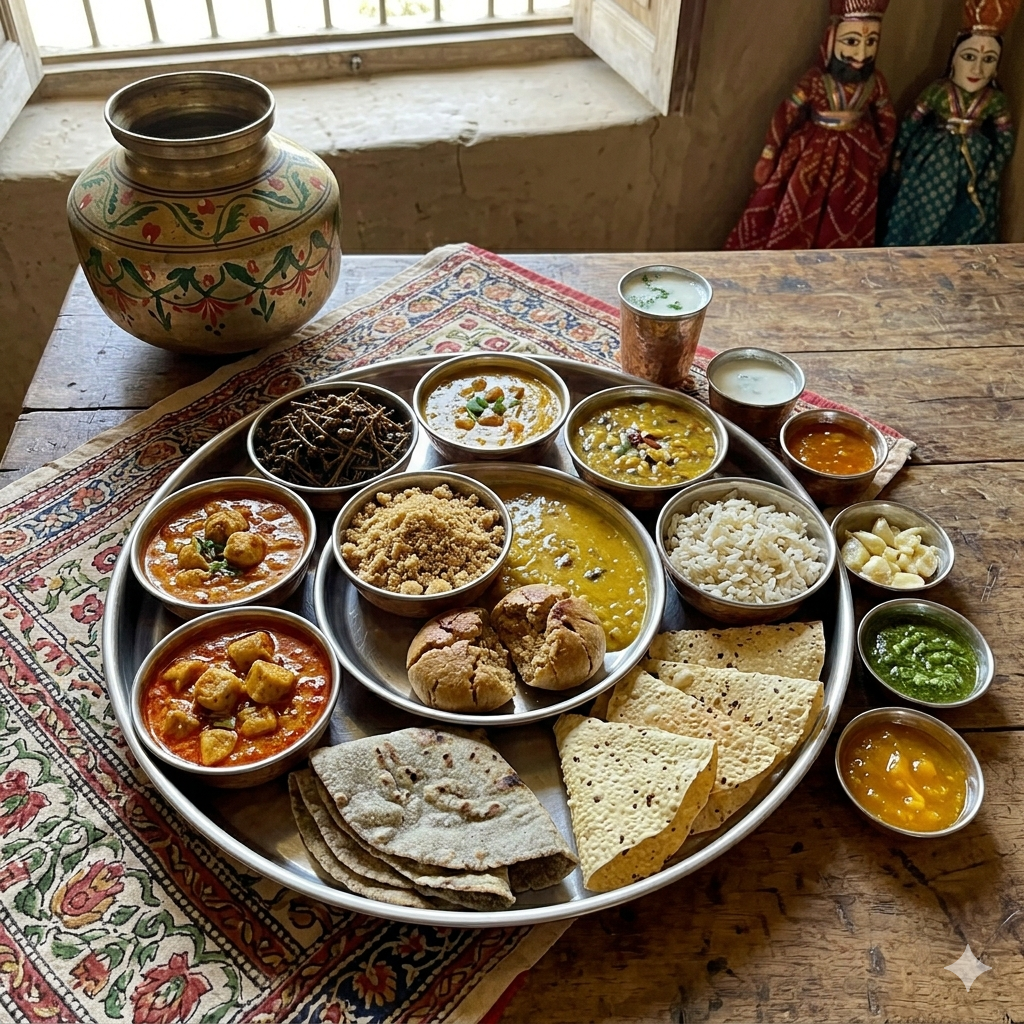
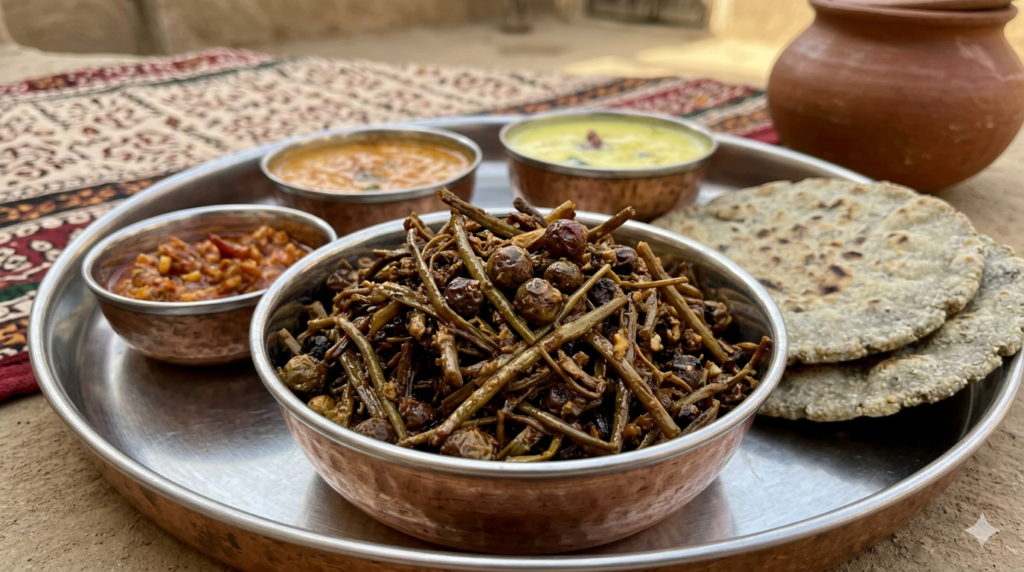
    A Rajasthani thali is a rich and colorful traditional meal that brings together multiple dishes on one plate. Known for bold flavors, long shelf life, and use of local ingredients, this thali reflects Rajasthan’s desert culture. A complete thali usually includes dal, baati, churma, gatte ki sabzi, ker sangri, roti, rice, chutneys, papad, and dessert.

    Ingredients

    For Dal (Mixed Lentils)

    • ½ cup toor dal
    • ¼ cup moong dal
    • ¼ cup chana dal
    • 1 onion (chopped)
    • 2 tomatoes (chopped)
    • 1 tsp ginger-garlic paste
    • 1 tsp turmeric
    • 1 tsp red chili powder
    • Salt
    • 2 tbsp ghee
    • Cumin seeds

    For Baati

    • 2 cups wheat flour
    • ¼ cup semolina (sooji)
    • 4 tbsp ghee
    • Salt
    • Water for kneading

    For Churma

    • 4 baked baatis
    • 4 tbsp ghee
    • ½ cup jaggery or sugar
    • Dry fruits

    For Gatte Ki Sabzi

    • 1 cup gram flour (besan)
    • Yogurt
    • Turmeric
    • Red chili powder
    • Coriander powder
    • Oil

    For Ker Sangri

    • Dried ker berries and sangri beans
    • Yogurt
    • Whole spices
    • Red chili powder

    Extras

    • Bajra roti
    • Steamed rice
    • Garlic chutney
    • Papad
    • Pickle
    • Sliced onion and salad

    Step 1: Prepare the Dal

    Wash all lentils and soak for 20–30 minutes.

    Pressure cook with:

    Heat ghee in a pan. Add cumin seeds, onion, ginger-garlic paste, and tomatoes. Cook until soft. Add spices and mix with cooked dal.

    Simmer for 10 minutes until thick and aromatic.


    Step 2: Make Baati

    Mix wheat flour, sooji, salt, and ghee.

    Add water gradually and knead into a stiff dough.

    Divide into medium-sized balls.

    Bake:

    • Oven: 180°C for 30–40 minutes
      OR
    • Air fryer: 180°C for 20–25 minutes

    Turn occasionally until golden.

    Once baked, dip each baati in melted ghee.

    Baati

    Step 3: Prepare Churma

    Break baked baatis into pieces.

    Grind coarsely.

    Mix:

    • Melted ghee
    • Sugar or jaggery
    • Chopped almonds and cashews

    Your sweet churma is ready.


    Step 4: Cook Gatte Ki Sabzi

    Mix besan with spices and a little oil.

    Knead into dough and shape into long cylinders.

    Boil in water for 10–12 minutes.

    Cool and slice.

    For gravy:

    • Heat oil
    • Add yogurt and spices
    • Cook well

    Add sliced gatte and simmer.


    Step 5: Make Ker Sangri

    Soak dried ker and sangri overnight.

    Boil until soft.

    Heat oil and add whole spices.

    Add ker sangri, yogurt, chili powder, and salt.

    Cook until coated and dry.

    Ker Sangri

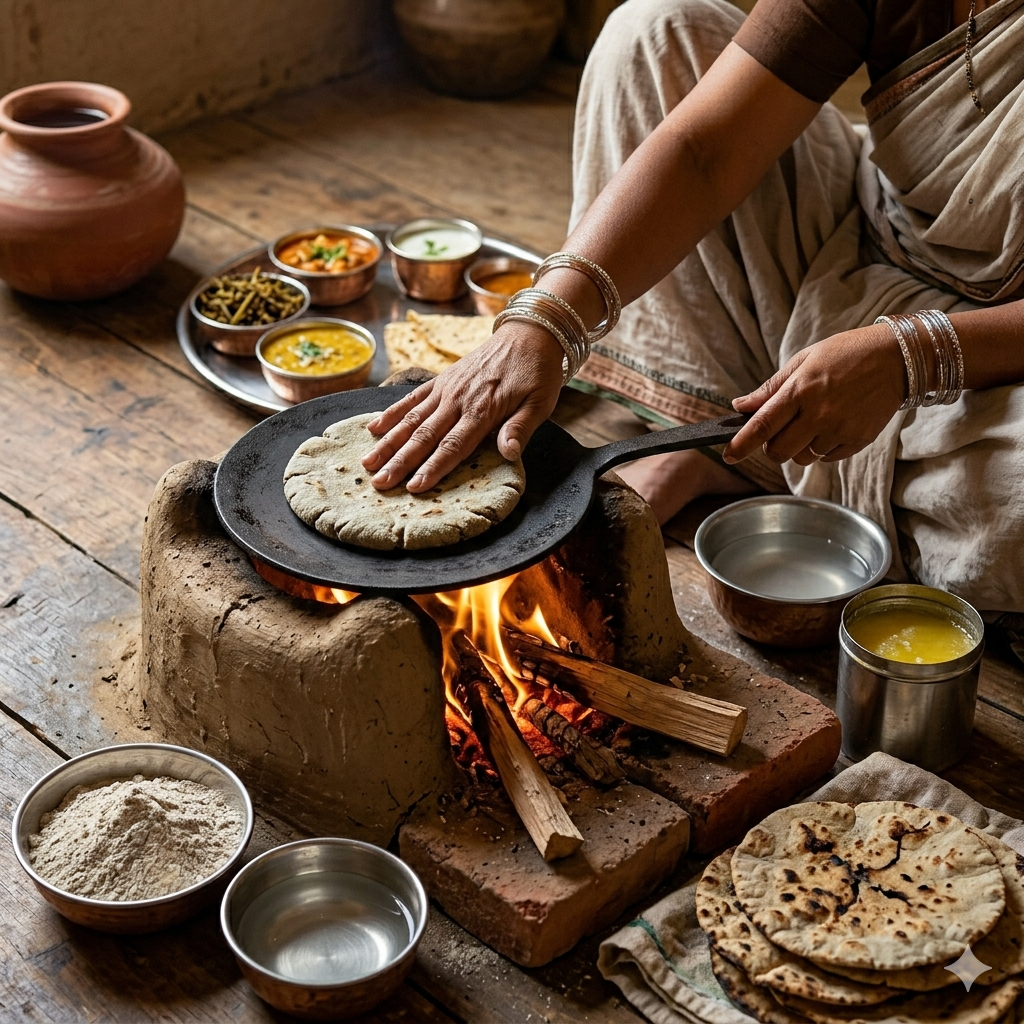
    Step 6: Prepare Bajra Roti

    Mix bajra flour with warm water.

    Make soft dough.

    Roll carefully and cook on hot tawa.

    Apply ghee after cooking.

    Bajra Roti

    Step 7: Assemble the Rajasthani Thali

    Arrange everything beautifully:

    • Dal in a bowl
    • Baati topped with ghee
    • Churma
    • Gatte ki sabzi
    • Ker sangri
    • Bajra roti
    • Rice
    • Garlic chutney
    • Papad
    • Pickle
    • Salad

    Serve hot.

    Tips for Authentic Taste

    • Use desi ghee generously.
    • Keep flavors slightly spicy.
    • Use yogurt-based gravies for richness.
    • Traditional serving style includes refilling food for guests.

    A homemade Rajasthani thali is not just a meal—it’s a complete cultural experience with sweet, spicy, tangy, and earthy flavors in one plate. Enjoy with family and serve fresh.


  • Step-by-Step Method to Make Hakka Noodles

    Step-by-Step Method to Make Hakka Noodles

    how to make hakka noodles recipe in 1500 words

    How to Make Hakka Noodles Recipe at Home

    Introduction

    Hakka noodles are one of the most popular Indo-Chinese dishes loved by people of all ages. This delicious recipe is famous for its spicy taste, smoky flavor, colorful vegetables, and restaurant-style texture. Whether you want to prepare a quick evening snack, lunch, or dinner, hakka noodles are always a perfect option. The best part is that you can easily make them at home using simple ingredients available in your kitchen.

    Hakka noodles originated from Chinese cuisine but became extremely popular in India after adding Indian spices and flavors. Street food stalls, restaurants, cafes, and fast-food corners commonly serve this tasty dish. It is usually prepared by stir-frying boiled noodles with crunchy vegetables, sauces, and seasonings on high flame.

    In this detailed recipe guide, you will learn step-by-step how to make delicious hakka noodles at home with proper ingredients, cooking tips, variations, and serving ideas.


    Ingredients Required for Hakka Noodles

    For Boiling Noodles

    • 200 grams hakka noodles
    • 5–6 cups water
    • 1 teaspoon salt
    • 1 teaspoon oil

    Vegetables for Stir Fry

    • 1 cup shredded cabbage
    • 1 medium carrot (thinly sliced)
    • 1 capsicum (thinly sliced)
    • 1 onion (sliced)
    • 2 spring onions (chopped)
    • 1 tablespoon finely chopped garlic
    • 1 teaspoon chopped ginger
    • 1–2 green chilies (optional)

    Sauces and Seasonings

    • 1 tablespoon soy sauce
    • 1 tablespoon chili sauce
    • 1 tablespoon tomato ketchup
    • 1 teaspoon vinegar
    • ½ teaspoon black pepper powder
    • Salt as required

    For Cooking

    • 2 tablespoons oil

    Step-by-Step Method to Make Hakka Noodles

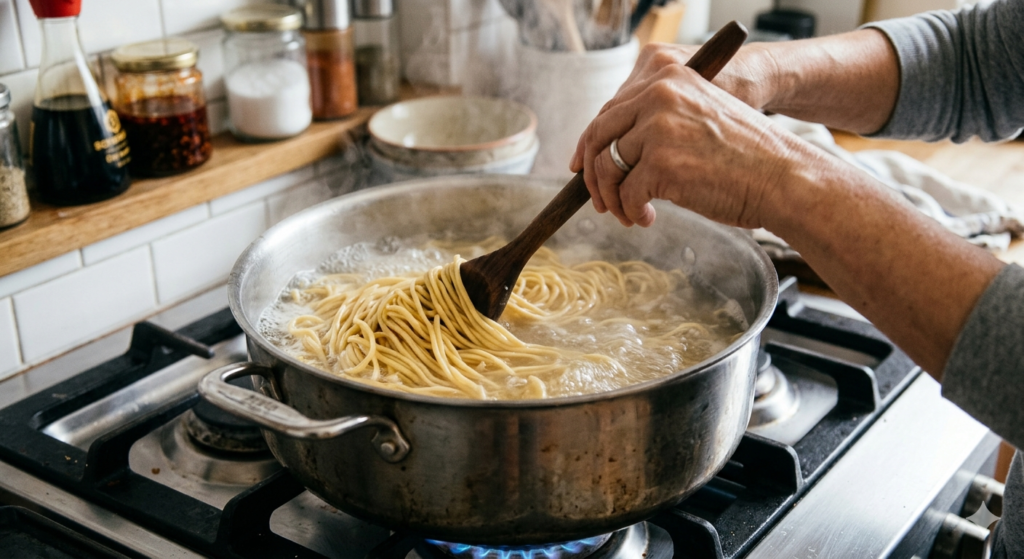
    Step 1: Boil the Noodles Properly

    The first and most important step is boiling the noodles correctly. Perfectly cooked noodles make a huge difference in taste and texture.

    Take a large pot and add around 5–6 cups of water. Bring the water to a boil on high flame. Once the water starts boiling, add salt and a teaspoon of oil. The oil helps prevent the noodles from sticking together.

    Now add the hakka noodles carefully. Let them cook according to the instructions written on the packet. Usually, noodles take around 4–6 minutes to cook.

    Do not overcook the noodles because soft noodles can become sticky after stir-frying. The noodles should remain slightly firm.

    Once cooked, drain the water immediately using a strainer. Wash the noodles under cold water to stop further cooking. Add a few drops of oil and toss gently so they remain separate.

    Keep the noodles aside.


    Step 2: Prepare the Vegetables

    Fresh and crunchy vegetables are the heart of a good hakka noodles recipe.

    Wash all vegetables properly. Slice them thinly because thin vegetables cook quickly on high flame and give restaurant-style texture.

    You can use:

    • Cabbage
    • Carrot
    • Capsicum
    • Onion
    • Spring onion
    • Beans
    • Mushroom
    • Baby corn

    You can also customize the vegetables according to your preference.


    Step 3: Heat the Pan

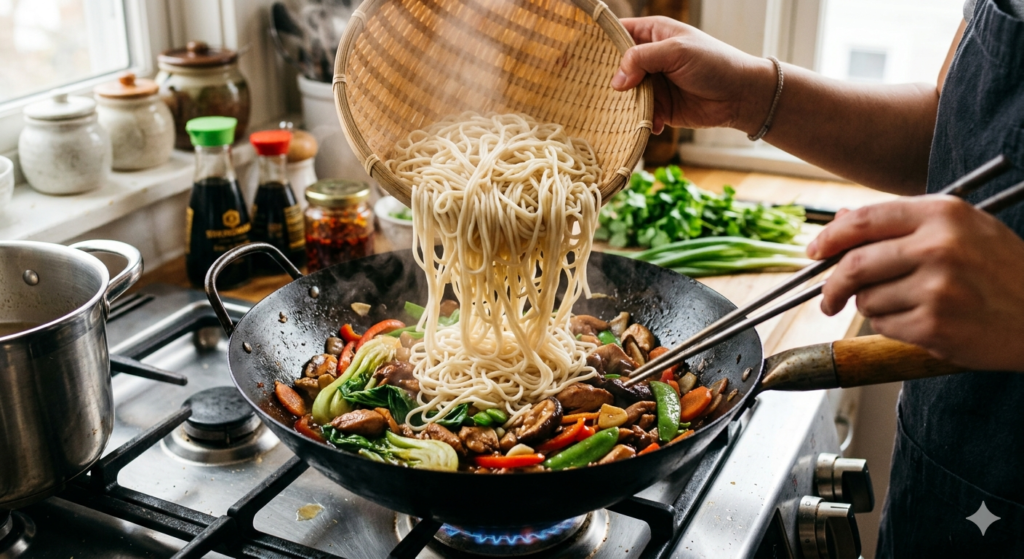
    Traditionally, hakka noodles are cooked in a wok on high flame. High heat gives a smoky flavor similar to restaurant-style noodles.

    Take a large wok or frying pan and heat it properly. Add oil and let it become hot.

    Once the oil is hot, add chopped garlic, ginger, and green chilies. Stir-fry for a few seconds until aromatic.

    Avoid burning the garlic because burnt garlic can spoil the taste.


    Step 4: Stir Fry the Vegetables

    Now add sliced onions and stir fry for about 1 minute on high flame.

    After that, add carrots, capsicum, cabbage, and other vegetables.

    Cook the vegetables on high heat while continuously stirring. This keeps the vegetables crunchy and fresh.

    Do not overcook them. Slightly crunchy vegetables taste best in hakka noodles.

    The entire stir-frying process should take only 3–4 minutes.


    Step 5: Add Sauces and Seasonings

    Now reduce the flame slightly and add:

    • Soy sauce
    • Chili sauce
    • Tomato ketchup
    • Vinegar
    • Black pepper powder
    • Salt

    Mix everything properly with the vegetables.

    Soy sauce gives color and flavor, while vinegar adds slight tanginess. Chili sauce increases spiciness.

    Be careful while adding salt because soy sauce already contains salt.


    Step 6: Add the Boiled Noodles

    Now add the boiled noodles to the pan.

    Using tongs or two forks, gently toss the noodles with vegetables and sauces.

    Mix everything carefully so the noodles do not break.

    Cook the noodles on high flame for 2–3 minutes while tossing continuously.

    Finally, add chopped spring onions for freshness and extra flavor.

    Your delicious homemade hakka noodles are now ready to serve.


    Tips for Restaurant-Style Hakka Noodles

    1. Use High Flame

    High flame cooking gives authentic street-style flavor and smoky aroma.

    2. Do Not Overcook Noodles

    Always cook noodles until just done. Overcooked noodles become sticky.

    3. Use Fresh Vegetables

    Fresh crunchy vegetables improve texture and taste.

    4. Prepare Ingredients Before Cooking

    Stir-frying happens quickly, so keep all ingredients ready before starting.

    5. Toss Gently

    Handle noodles carefully while mixing to avoid breaking them.


    Different Variations of Hakka Noodles

    Veg Hakka Noodles

    This is the most common version prepared with colorful vegetables.

    Paneer Hakka Noodles

    Add fried paneer cubes for a protein-rich vegetarian option.

    Chicken Hakka Noodles

    Add cooked shredded chicken or chicken strips for non-vegetarian noodles.

    Egg Hakka Noodles

    Scramble eggs separately and mix them into the noodles.

    Schezwan Hakka Noodles

    Add schezwan sauce for extra spicy flavor.

    Garlic Hakka Noodles

    Increase garlic quantity for strong garlic flavor.


    Health Benefits of Hakka Noodles

    Although hakka noodles are considered fast food, homemade noodles can still be healthier than restaurant versions.

    Vegetables Provide Nutrition

    Carrots, cabbage, and capsicum contain vitamins and fiber.

    Homemade Food Is Better

    Homemade noodles contain less oil and fewer preservatives.

    Protein Variations

    Adding paneer, egg, or chicken increases protein content.


    Common Mistakes to Avoid

    Using Too Much Sauce

    Excess sauce can make noodles soggy.

    Cooking on Low Flame

    Low heat makes vegetables soft instead of crunchy.

    Not Washing Noodles

    Washing noodles after boiling prevents sticking.

    Adding Vegetables in Large Pieces

    Thin slicing helps quick cooking and better texture.


    Best Side Dishes with Hakka Noodles

    Hakka noodles taste amazing with several Indo-Chinese side dishes such as:

    • Manchurian
    • Chilli paneer
    • Chilli potato
    • Spring rolls
    • Fried rice
    • Hot and sour soup
    • Momos

    These combinations create a complete restaurant-style meal at home.


    Serving Suggestions

    Serve hakka noodles hot immediately after cooking because freshly prepared noodles taste best.

    You can garnish with:

    • Spring onion greens
    • Sesame seeds
    • Chili flakes
    • Extra sauce

    Serve with chili vinegar or schezwan chutney for enhanced flavor.


    Why People Love Hakka Noodles

    Hakka noodles are loved because they are:

    • Quick to prepare
    • Full of flavor
    • Budget-friendly
    • Easily customizable
    • Perfect for kids and adults
    • Great for parties and gatherings

    The spicy, tangy, and smoky taste makes them irresistible.


    Storage and Reheating Tips

    If you have leftover noodles, store them in an airtight container in the refrigerator.

    They remain fresh for about 1–2 days.

    For reheating:

    • Heat a pan on high flame
    • Add a little oil
    • Toss noodles for 2–3 minutes

    Avoid microwaving for too long because noodles can become dry.


    Conclusion

    Hakka noodles are one of the easiest and tastiest Indo-Chinese recipes you can prepare at home. With simple ingredients, fresh vegetables, and flavorful sauces, you can create restaurant-style noodles within minutes. The secret lies in boiling noodles correctly and stir-frying everything on high flame.

    This recipe is perfect for lunch, dinner, evening snacks, parties, and family gatherings. You can customize it with paneer, chicken, eggs, or extra vegetables according to your taste preferences.

    Try this delicious homemade hakka noodles recipe today and enjoy a spicy, flavorful, and satisfying meal with your family and friends.

  • Top 10 Indian Paneer Recipes You Must Try at Home

    Paneer is one of the most loved ingredients in Indian cuisine. Known for its soft texture, rich taste, and versatility, paneer is used in a variety of dishes across India. Whether served in creamy gravies, spicy curries, grilled starters, or stuffed breads, paneer adds flavor and nutrition to every meal. Rich in protein and suitable for vegetarians, paneer has become a favorite in Indian households and restaurants alike.

    If you are a food lover or someone looking to explore delicious vegetarian dishes, here are the top 10 Indian paneer recipes that you must try at home. These recipes are perfect for daily meals, family dinners, parties, and special occasions.

    1. Paneer Butter Masala

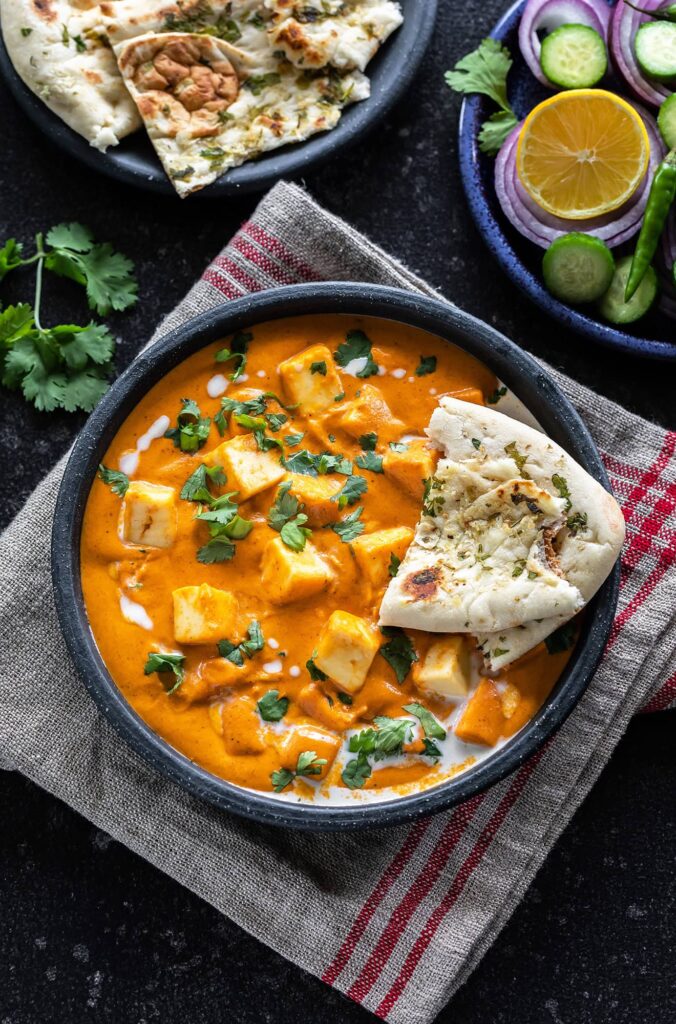
    Paneer Butter Masala

    Paneer Butter Masala is one of the most popular paneer dishes in India. This creamy and mildly spicy curry is loved for its rich tomato-based gravy and soft paneer cubes.

    The dish is prepared using butter, tomatoes, cream, onions, ginger-garlic paste, and aromatic spices. The paneer absorbs the flavors of the creamy gravy, making it a delicious choice for lunch or dinner.

    The smooth texture and restaurant-style taste make Paneer Butter Masala a favorite among both kids and adults. It pairs beautifully with naan, butter roti, or jeera rice.

    Best Served With: Butter naan, tandoori roti, or basmati rice.

    2. Shahi Paneer

    Shahi Paneer literally means “royal paneer,” and the name perfectly matches its luxurious taste. This Mughlai-inspired dish features paneer cooked in a rich, creamy gravy made with nuts, cream, and aromatic spices.

    Cashews, almonds, cream, and yogurt are often used to create its signature smooth texture. Unlike spicy curries, Shahi Paneer has a mild sweetness and rich flavor profile.

    This dish is commonly served during festivals, weddings, and family celebrations because of its royal appeal.

    Best Served With: Naan, paratha, or pulao.

    3. Matar Paneer

    Matar Paneer is a comforting North Indian dish made with green peas and paneer cooked in a spicy tomato-onion gravy. It is a staple dish in many Indian homes due to its simple preparation and delicious flavor.

    The sweetness of green peas perfectly balances the soft paneer cubes and spicy curry. The dish can be customized according to taste, ranging from mildly spiced to rich and creamy.

    Matar Paneer is a perfect everyday meal option that tastes even better with homemade chapati.

    Best Served With: Roti, paratha, or steamed rice.

    4. Kadai Paneer

    Kadai Paneer is famous for its bold flavors and aromatic spices. The dish gets its name from the traditional Indian wok called a “kadai” in which it is cooked.

    This spicy curry is made with paneer, bell peppers, onions, tomatoes, and freshly ground kadai masala. The unique spice blend gives it a smoky and flavorful taste.

    Unlike creamy paneer dishes, Kadai Paneer has a slightly thick and spicy gravy, making it ideal for those who enjoy bold flavors.

    Best Served With: Butter naan or laccha paratha.

    5. Palak Paneer

    Palak Paneer

    Palak Paneer is one of the healthiest paneer dishes in India. It combines spinach (palak) with paneer to create a nutritious and delicious curry.

    Fresh spinach is boiled and blended into a puree before being cooked with spices, garlic, onions, and paneer cubes. The result is a creamy green curry packed with vitamins, minerals, and protein.

    Palak Paneer is not only delicious but also highly nutritious, making it an excellent choice for healthy eating.

    Best Served With: Chapati, naan, or jeera rice.

    6. Paneer Tikka

    Paneer Tikka is a popular Indian appetizer made by marinating paneer cubes in yogurt and spices before grilling them to perfection.

    Bell peppers, onions, and tomatoes are often added to enhance the flavor. Traditionally cooked in a tandoor, paneer tikka can also be made on a grill pan or oven at home.

    The smoky flavor and spicy marinade make it one of the best starters for parties and gatherings.

    Best Served With: Mint chutney and onion rings.

    7. Chilli Paneer

    Chilli Paneer is a famous Indo-Chinese dish loved by food enthusiasts across India. It combines crispy fried paneer with spicy sauces and vegetables.

    Prepared with soy sauce, chili sauce, garlic, onions, and capsicum, this dish has a spicy and tangy flavor that makes it highly addictive.

    Chilli Paneer can be served in dry form as a snack or with gravy as a side dish.

    Best Served With: Fried rice or noodles.

    8. Paneer Bhurji

    Paneer Bhurji is India’s vegetarian version of scrambled eggs. It is made by crumbling paneer and cooking it with onions, tomatoes, green chilies, and spices.

    This quick and easy dish is perfect for breakfast, lunch, or dinner. It is rich in protein and can be prepared in less than 20 minutes.

    Paneer Bhurji is especially popular among people looking for a healthy and filling meal.

    Best Served With: Bread, chapati, or pav.

    9. Achari Paneer

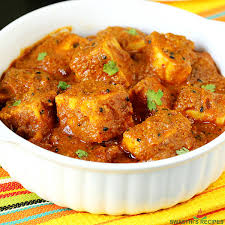
    Achari Paneer

    Achari Paneer is a flavorful dish inspired by Indian pickles (achar). The curry is prepared using pickle spices that give it a tangy and spicy taste.

    Mustard seeds, fennel seeds, fenugreek, and nigella seeds are used to create its signature achari flavor. Paneer cubes are then cooked in a spicy onion-tomato gravy.

    Its unique taste makes it a refreshing change from traditional paneer recipes.

    Best Served With: Tandoori roti or naan.

    10. Paneer Paratha

    Paneer Paratha is a delicious stuffed flatbread that is popular for breakfast and lunch in North India.

    The dough is stuffed with grated paneer mixed with spices, herbs, and green chilies. It is then rolled out and cooked with butter or ghee until crispy and golden.

    Paneer Paratha is filling, flavorful, and easy to prepare, making it a perfect comfort food.

    Best Served With: Yogurt, pickle, or butter.

    Why Paneer is So Popular in India

    Paneer is loved across India because it is nutritious, versatile, and delicious. It is a rich source of protein, calcium, and healthy fats, making it an excellent option for vegetarians. Paneer can easily absorb spices and flavors, which is why it works perfectly in Indian curries and snacks.

    From spicy gravies to grilled starters and stuffed breads, paneer can be enjoyed in countless ways. It is also widely available and easy to cook, making it a kitchen favorite.

    Conclusion

    Indian cuisine offers a wide variety of paneer dishes, each with its own unique taste and preparation style. From the creamy richness of Paneer Butter Masala to the smoky flavor of Paneer Tikka and the healthy goodness of Palak Paneer, there is a paneer recipe for every mood and occasion.

    These top 10 Indian paneer recipes are perfect for anyone who wants to enjoy delicious vegetarian food at home. Whether you are cooking for family, guests, or simply treating yourself, paneer dishes always bring flavor and satisfaction to the table. Try these recipes and experience the magic of Indian paneer cuisine in your kitchen.

  • Top 10 Indian Fashion Brands

    Top 10 Indian Fashion Brands

    1.FabIndia

    FabIndia is one of India’s most loved fashion and lifestyle brands. Founded in 1960 by John Bissell, the company started with the aim of promoting Indian handicrafts and traditional textiles. FabIndia is famous for its ethnic wear, handcrafted fabrics, and sustainable fashion.

    The brand works closely with rural artisans across India, helping preserve India’s rich textile heritage. FabIndia offers kurtas, sarees, dresses, jackets, and accessories made from cotton, silk, and khadi. Its designs are simple, elegant, and perfect for everyday wear.

    FabIndia’s biggest strength is its focus on handmade products and sustainable practices. Customers love the brand for its quality, comfort, and traditional Indian touch.

    2. Biba

    Biba is one of India’s leading ethnic fashion brands for women. Founded in 1988 by Meena Bindra, the brand started with small-scale salwar suits and has now become a major fashion label across India.

    Biba is known for colorful ethnic wear, festive collections, and trendy Indian outfits. Its range includes kurtas, lehengas, palazzo sets, dupattas, and fusion wear.

    The brand combines traditional Indian embroidery with modern fashion trends, making it popular among women of all age groups. Biba is especially preferred during festivals and wedding seasons.

    3. Manyavar

    Manyavar is India’s top men’s ethnic wear brand. Established in 1999 by Ravi Modi, Manyavar became famous for wedding and festive wear.

    The brand specializes in sherwanis, kurtas, jackets, Indo-western outfits, and accessories. Manyavar has changed men’s wedding fashion in India by offering stylish traditional clothing with royal designs.

    The brand is also known for celebrity endorsements and premium quality fabrics. Today, Manyavar is a go-to brand for Indian weddings and special occasions.

    4. W for Woman

    w for woman

    W for Woman is a modern Indian fashion brand that focuses on contemporary ethnic wear for women. Founded in 2001, the brand offers stylish kurtas, dresses, office wear, and fusion fashion.

    W for Woman stands out because it combines Indian designs with western silhouettes. Women love the brand for its fashionable yet comfortable clothing.

    It is especially popular among working women who want elegant outfits for daily wear, office, and casual events.

    5. Allen Solly

    Allen Solly is a premium casual fashion brand in India. Though originally an international brand, it has become highly popular in the Indian market under the Aditya Birla Fashion group.

    Allen Solly is known for smart casual clothing, office wear, western outfits, dresses, shirts, trousers, and accessories.

    The brand introduced the concept of “Friday Dressing” in India, making office fashion more relaxed and stylish. It is especially popular among young professionals.

    6. Louis Philippe

    Louis Philippe is a premium menswear brand in India, known for luxury formal wear. The brand offers shirts, suits, trousers, blazers, shoes, and accessories.

    It is highly preferred by businessmen, corporate professionals, and men who like classy fashion. The brand focuses on elegance, premium quality, and sophisticated style.

    Louis Philippe has built a strong image as a luxury fashion label in India.

    7. Peter England

    Peter England

    Peter England is one of India’s most affordable and stylish menswear brands. It is famous for formal shirts, trousers, casual wear, jeans, and office clothing.

    The brand is loved by college students and working professionals because it offers fashionable clothing at budget-friendly prices.

    Peter England combines comfort, quality, and affordability, making it a strong player in India’s fashion market.

    8. Pantaloons

    Pantaloons is a major Indian fashion retail brand offering clothing for men, women, and kids. It provides trendy western wear, ethnic wear, accessories, and footwear.

    Pantaloons is popular because it offers a wide variety of styles under one roof at affordable prices.

    Its stores are present across India and attract customers looking for everyday fashion and seasonal collections.

    9. Global Desi

    global desi

    Global Desi is a youth-focused Indian fashion brand known for bohemian and Indo-western fashion.

    Founded by designer Anita Dongre, the brand offers dresses, kurtas, tops, skirts, and fusion wear inspired by Indian prints and global trends.

    Global Desi appeals to young women who like colorful, stylish, and experimental fashion.

    10. Raymond

    Raymond is one of India’s oldest and most respected fashion brands. It is especially famous for premium suiting fabrics and menswear.

    The brand offers suits, shirts, trousers, ethnic wear, and accessories. Raymond is known for quality craftsmanship, luxury fabrics, and timeless style.

    Its famous tagline “The Complete Man” made it a legendary brand in Indian fashion history.

    Conclusion

    Indian fashion brands have successfully blended tradition, craftsmanship, and modern trends to create unique identities in the fashion industry. Brands like FabIndia and Biba celebrate Indian ethnic wear, while brands like Allen Solly and Louis Philippe dominate western and formal fashion.

    Whether you are looking for wedding wear, office clothing, casual outfits, or trendy fusion styles, Indian fashion brands offer something for everyone. These top 10 brands continue to shape India’s fashion industry and represent the country’s growing influence in global fashion.

    top 10 indian clothig brands/; https://youtu.be/S-_mb2kA5cU?si=BWmVKsl1Lu9TCUBC

  • Top 10 Places to Visit in Delhi

    Delhi, the capital of India, is a fascinating blend of history, culture, food, and modern lifestyle. From majestic Mughal monuments to bustling markets and peaceful temples, the city offers something for every traveler. Whether you are a history lover, foodie, or shopping enthusiast, Delhi promises an unforgettable experience. Here are the top 10 places you must visit in Delhi.

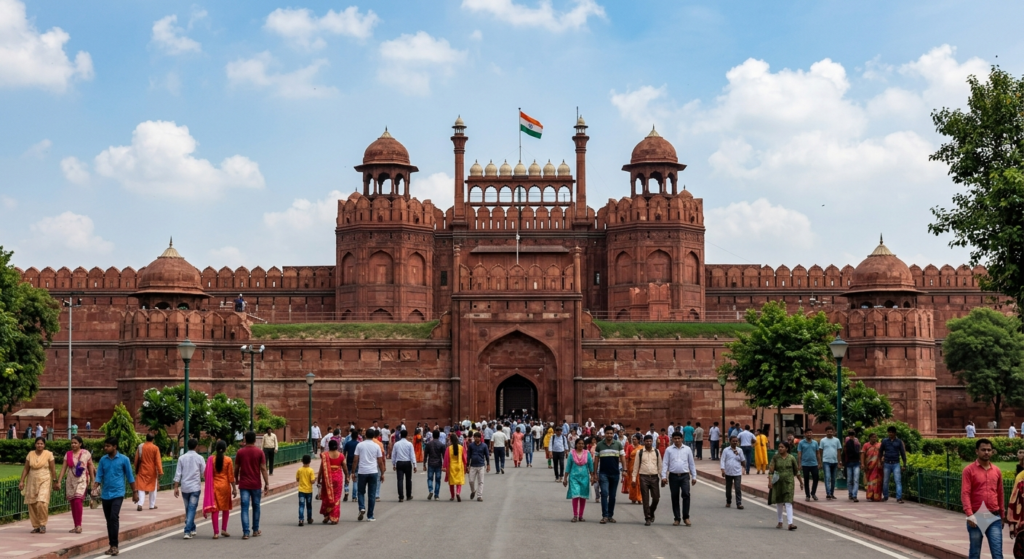
    1. Red Fort

    tourist attraction in dilhe

    One of the most iconic landmarks in India, the Red Fort is a UNESCO World Heritage Site built by Mughal Emperor Shah Jahan in 1648. Constructed with red sandstone, the fort showcases stunning Mughal architecture with beautiful gardens, museums, and grand halls. Every year on Independence Day, the Prime Minister hoists the national flag here. Visiting the fort in the evening for the light and sound show is highly recommended.

    2. India Gate

    India Gate is a famous war memorial dedicated to Indian soldiers who lost their lives during World War I. Surrounded by lush green lawns, it is one of the most popular hangout spots in Delhi. The monument looks especially beautiful at night when illuminated. Families and tourists often gather here for evening walks, snacks, and photography.

    3. Qutub Minar

    Standing at a height of 73 meters, Qutub Minar is the tallest brick minaret in the world. Built in the 12th century, it is another UNESCO World Heritage Site that reflects Indo-Islamic architecture. The surrounding complex contains ancient ruins, mosques, and the famous Iron Pillar, which has resisted rust for centuries.

    4. Lotus Temple

    The Lotus Temple is known for its unique lotus-shaped design and peaceful atmosphere. It belongs to the Bahá’í Faith and welcomes people of all religions. The white marble structure is surrounded by beautiful gardens and pools, making it a perfect place for meditation and relaxation away from the city’s busy streets.

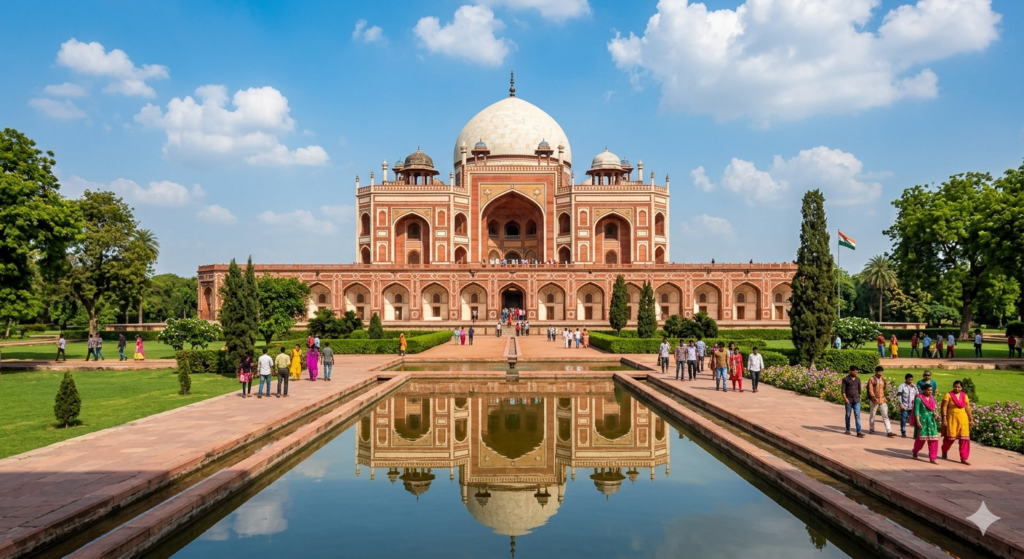
    5. Humayun’s Tomb

    Humayun’s Tomb is a magnificent Mughal monument that inspired the design of the Taj Mahal. Built in the 16th century, the tomb features Persian-style architecture, lush gardens, and elegant pathways. It is one of the best places in Delhi for history lovers and photographers.

    6. Akshardham Temple

    Akshardham Temple is a modern architectural marvel dedicated to Bhagwan Swaminarayan. The temple complex showcases intricate carvings, exhibitions, musical fountains, and cultural performances. Its grand design and spiritual ambiance attract millions of visitors every year. The evening fountain show is a major highlight.

    7. Jama Masjid

    Jama Masjid is one of the largest mosques in India and an important religious site in Delhi. Built by Shah Jahan, the mosque can accommodate thousands of worshippers at a time. Visitors can climb the southern minaret to enjoy panoramic views of Old Delhi. The nearby streets are famous for delicious Mughlai food.

    8. Chandni Chowk

    For a true taste of Old Delhi, Chandni Chowk is a must-visit destination. This bustling market is famous for street food, traditional clothing, jewelry, spices, and electronics. Popular food items include parathas, chaat, jalebi, and kebabs. A rickshaw ride through its narrow lanes offers an exciting cultural experience.

    9. Rashtrapati Bhavan

    Rashtrapati Bhavan is the official residence of the President of India. This massive building combines Indian and European architectural styles and is surrounded by the beautiful Mughal Gardens. While the interiors require prior permission to visit, tourists can admire the building from outside and enjoy the nearby ceremonial boulevard, Rajpath.

    10. Lodhi Garden

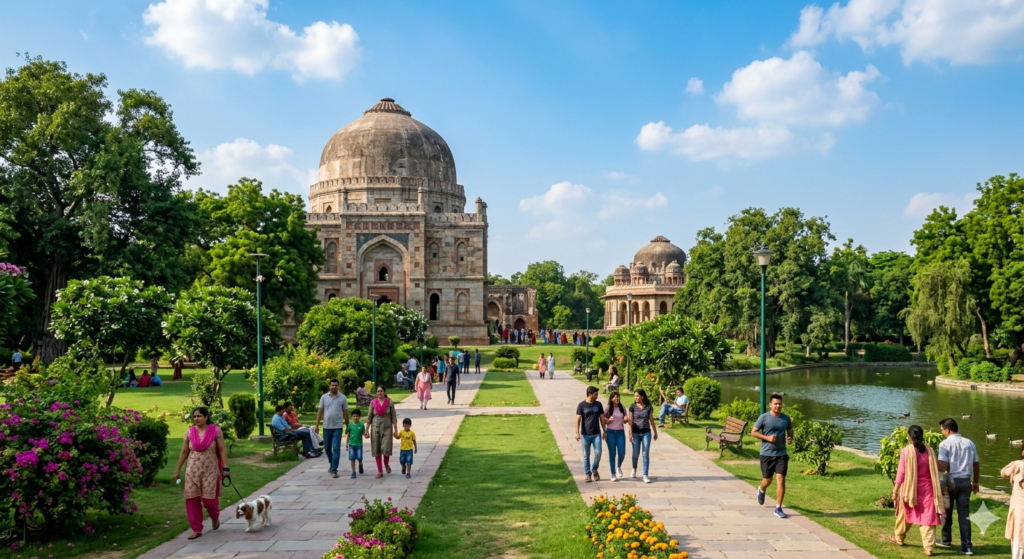
    tourist destination in dilhe

    Lodhi Garden is a peaceful green oasis in the heart of Delhi. Spread across vast acres, the garden contains historical tombs from the Lodhi dynasty along with walking tracks, ponds, and flowering plants. It is a favorite spot for morning walks, yoga sessions, picnics, and photography.

    Conclusion

    Delhi is a city where history and modernity coexist beautifully. Every corner of the city tells a unique story, from ancient monuments and spiritual centers to vibrant markets and green parks. Whether you are visiting for a few days or planning a longer stay, these top 10 attractions will give you a memorable glimpse into the rich heritage and culture of India’s capital city.

  • Top 10 places to visit in Bikaner

    Nestled in the heart of the Thar Desert, Bikaner is one of Rajasthan’s most fascinating cities. Known for its grand forts, royal palaces, ancient temples, colorful markets, and delicious snacks, Bikaner beautifully reflects the culture and heritage of desert India. Founded in 1488 by Rao Bika, the city has transformed into a major tourist destination while preserving its traditional charm. From magnificent architecture to camel safaris and sacred temples, Bikaner offers unforgettable experiences for every traveler.

    Here are the top 10 places you must visit in Bikaner.


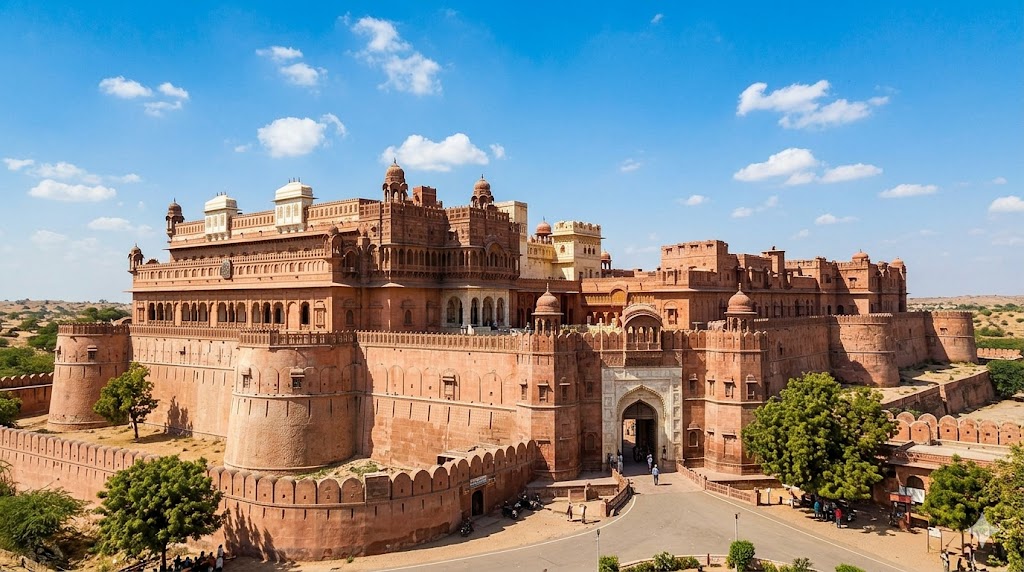
    1. Junagarh Fort

    Junagarh Fort

    Junagarh Fort is the pride of Bikaner and one of the most impressive forts in Rajasthan. Unlike many forts built on hills, Junagarh Fort was constructed on flat land in the 16th century by Raja Rai Singh. The fort is surrounded by strong walls, beautiful courtyards, balconies, and richly decorated palaces.

    The interiors of the fort showcase intricate carvings, mirror work, paintings, and marble structures. Important attractions inside the fort include Anup Mahal, Phool Mahal, Chandra Mahal, and Badal Mahal. The museum inside the fort displays royal costumes, weapons, manuscripts, and historical artifacts.

    Tourists are amazed by the blend of Mughal, Rajput, and Gujarati architectural styles. The fort gives visitors a glimpse into the luxurious lifestyle of Bikaner’s royal family.


    2. Karni Mata Temple

    Located around 30 kilometers from Bikaner, Karni Mata Temple is one of the most unique temples in India. The temple is famous worldwide because thousands of rats, known as “kabbas,” live inside the premises and are worshipped by devotees.

    According to local beliefs, these rats are considered sacred and represent the descendants of Karni Mata. Seeing a white rat among them is believed to bring good luck and blessings.

    The temple’s architecture is equally stunning, with beautifully carved marble gates and silver doors. Despite the unusual atmosphere, the temple attracts thousands of tourists and pilgrims every year.


    3. Lalgarh Palace

    Lalgarh Palace is a magnificent architectural masterpiece built by Maharaja Ganga Singh in memory of his father, Maharaja Lal Singh. Constructed with red sandstone, the palace perfectly combines Rajput, Mughal, and European architectural styles.

    The palace features beautiful corridors, grand halls, delicate latticework, and lush gardens. A portion of the palace has been converted into a heritage hotel, while another section houses a museum displaying photographs, hunting trophies, and royal collections.

    The elegance and historical significance of Lalgarh Palace make it one of the most visited attractions in Bikaner.


    4. National Research Centre on Camel

    Popularly known as the Camel Breeding Farm, the National Research Centre on Camel is a unique attraction in Bikaner. The center was established to study and preserve different breeds of camels.

    Visitors can learn about camel breeding, feeding habits, and their importance in desert life. The farm also offers camel rides and showcases camel products such as camel milk ice cream, coffee, and chocolates.

    The center is especially popular among children and foreign tourists who wish to understand Rajasthan’s desert culture closely.


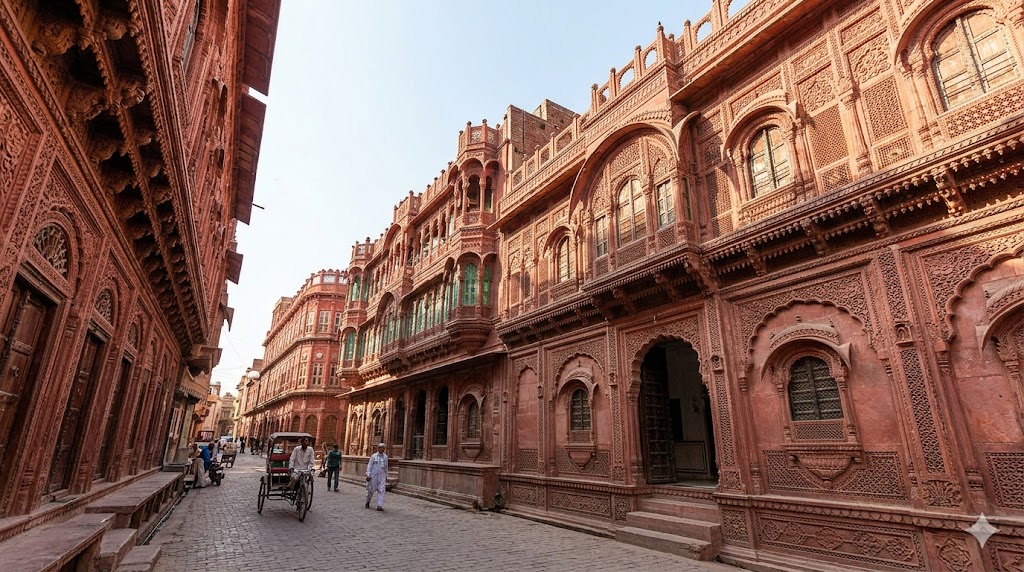
    5. Rampuria Havelis

    Rampuria Havelis

    Rampuria Havelis are among the finest examples of traditional Rajasthani architecture. Built by wealthy merchants of the Rampuria family, these havelis are known for their intricate carvings, jharokhas, balconies, and artistic facades.

    Constructed with red sandstone, the havelis resemble miniature palaces and reflect the prosperity of Bikaner’s trading community during ancient times.

    Walking through the narrow lanes around these havelis feels like stepping back into history. Photography enthusiasts especially love this area because of its stunning architectural beauty.


    6. Gajner Palace

    Situated on the banks of Gajner Lake, Gajner Palace is a peaceful retreat located about 20 kilometers from Bikaner. Once a royal hunting lodge of Maharaja Ganga Singh, the palace is now a heritage hotel surrounded by forests and wildlife.

    The palace offers breathtaking views of the lake and features beautifully designed rooms, balconies, and gardens. Tourists can enjoy boating, birdwatching, and nature walks in the nearby wildlife sanctuary.

    The calm atmosphere and scenic surroundings make Gajner Palace an ideal destination for relaxation and photography.


    7. Shiv Bari Temple

    Dedicated to Lord Shiva, Shiv Bari Temple is an important religious site in Bikaner. The temple was built by Maharaja Dungar Singh in the 19th century.

    The temple houses a black marble Shiva lingam and features beautiful paintings, pavilions, and carvings. The peaceful environment and spiritual atmosphere attract devotees as well as tourists.

    The temple complex also contains cenotaphs and water tanks that add to its architectural charm. Maha Shivaratri is celebrated here with great devotion and enthusiasm.


    8. Bhandasar Jain Temple

    Bhandasar Jain Temple is one of the oldest and most beautiful temples in Bikaner. Dedicated to the fifth Jain Tirthankara, Sumatinath, the temple is famous for its detailed paintings, mirror work, and gold leaf decorations.

    According to legend, the temple was constructed using ghee instead of water in the mortar mixture. The richly decorated interiors and artistic ceilings reflect the exceptional craftsmanship of ancient artisans.

    The temple is an important pilgrimage site for Jains and a remarkable example of Rajasthan’s religious architecture.


    9. Ganga Government Museum

    For history lovers, Ganga Government Museum is a must-visit destination. Established by Maharaja Ganga Singh, the museum preserves ancient sculptures, coins, paintings, pottery, and manuscripts from Rajasthan’s glorious past.

    The museum also showcases artifacts from the Harappan civilization and exhibits related to local culture, royal life, and desert traditions.

    Visitors interested in archaeology, history, and art can spend hours exploring the rich collection displayed here.


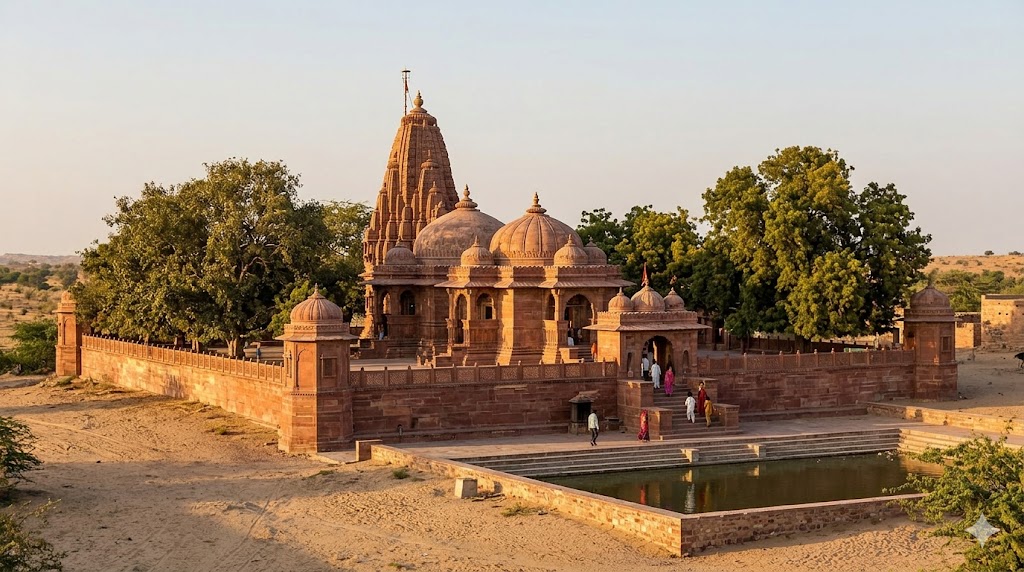
    10. Kodamdeshwar Temple

    Kodamdeshwar Temple is a famous spiritual destination located near Bikaner. Dedicated to Baba Ramdev, the temple attracts thousands of devotees during fairs and festivals.

    The peaceful atmosphere, beautiful surroundings, and strong spiritual significance make the temple a popular pilgrimage spot. Devotees believe that prayers offered here bring peace and fulfillment of wishes.

    The temple becomes especially lively during religious celebrations when devotees gather to sing devotional songs and participate in rituals.


    Best Time to Visit Bikaner

    The best time to visit Bikaner is from October to March when the weather remains pleasant and suitable for sightseeing. Winters in Bikaner are enjoyable, while summers can be extremely hot due to the desert climate.

    Tourists visiting in January can also enjoy the famous Bikaner Camel Festival, which showcases camel races, folk dances, music performances, and traditional Rajasthani culture.


    Famous Food of Bikaner

    No trip to Bikaner is complete without tasting its famous food. The city is widely known for Bikaneri Bhujia, a crispy and spicy snack loved across India. Other popular dishes include kachori, rasgulla, ghevar, and dal baati churma.

    Local markets and sweet shops offer authentic flavors that reflect the rich culinary traditions of Rajasthan.


    Conclusion

    Bikaner is a city where history, culture, spirituality, and desert beauty come together perfectly. From majestic forts and royal palaces to sacred temples and camel farms, every corner of Bikaner tells a fascinating story. Whether you are a history enthusiast, spiritual traveler, photographer, or food lover, Bikaner has something special to offer.

    Its warm hospitality, vibrant traditions, and architectural wonders leave a lasting impression on every visitor. Exploring these top 10 places will give you a memorable experience and a deeper understanding of Rajasthan’s royal heritage.

    Also read :25 Must-Have AI Tools for Professionals in 2026

  • Top 10 Places to Visit in Dehradun

    Top 10 Places to Visit in Dehradun

    Dehradun, the beautiful capital of Uttarakhand, is one of the most charming destinations in northern India. Nestled in the scenic Doon Valley and surrounded by the Himalayas, the city is known for its pleasant weather, lush greenery, waterfalls, caves, temples, monasteries, and colonial architecture. Whether you are a nature lover, adventure seeker, spiritual traveler, or someone looking for a peaceful getaway, Dehradun has something special for everyone. Here is a detailed guide to the top 10 places to visit in Dehradun.

    Dehradun is often called the “Gateway to Mussoorie” and serves as an ideal destination for tourists who want to enjoy a mix of natural beauty and cultural heritage. From serene monasteries to thrilling caves and wildlife parks, this city offers unforgettable travel experiences.

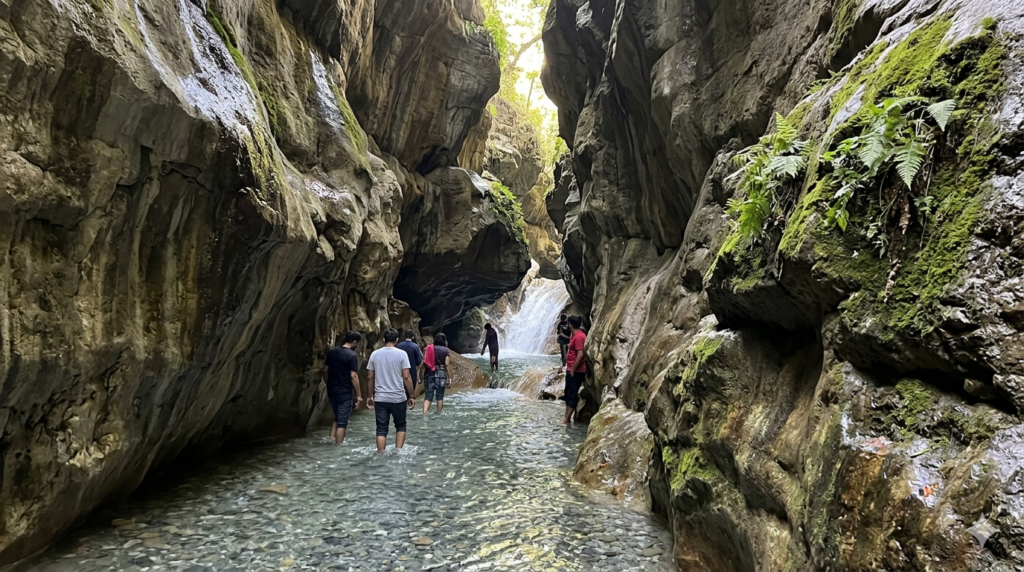
    1. Robber’s Cave (Guchhupani)

    . Robber’s Cave (Guchhupani)

    Robber’s Cave, popularly known as Guchhupani, is one of the most famous tourist attractions in Dehradun. It is a fascinating natural cave with a river flowing through it, creating a unique experience for visitors. Walking barefoot through the cold stream inside the cave, surrounded by steep rocky walls, feels adventurous and refreshing. The cave stretches for several hundred meters and is especially popular during summer because of the cool water and shady surroundings.

    According to local stories, robbers once used this cave as a hideout during British times, which is how it got its name. Today, it is a favorite picnic and adventure spot for families, couples, and photographers. The natural beauty and mystery of this place make it one of the top attractions in Dehradun.

    2. Sahastradhara

    Sahastradhara, which means “Thousand Fold Spring,” is another must-visit destination in Dehradun. It is famous for its beautiful waterfalls, caves, and sulfur-rich springs, which are believed to have medicinal properties. The water dripping from limestone rocks creates a magical view, making it a paradise for nature lovers.

    Tourists can enjoy bathing in the cool water, exploring nearby caves, and taking the ropeway ride that offers breathtaking views of the valley. The scenic beauty of Sahastradhara, combined with its peaceful environment, makes it an ideal place for relaxation and photography. It is one of the most visited tourist spots in Dehradun throughout the year.

    3. Forest Research Institute (FRI)

    The Forest Research Institute, popularly known as FRI, is one of the most iconic landmarks of Dehradun. Known for its grand Greco-Roman architecture, huge green lawns, and educational museums, this institute is a perfect blend of beauty and knowledge.

    Built in the early 20th century, the institute is spread across a vast campus and attracts tourists for its stunning building, botanical gardens, and museums related to forestry. Many Bollywood movies have also been shot here because of its majestic architecture. Whether you are interested in history, science, or photography, FRI is a place you should not miss while visiting Dehradun.

    4. Mindrolling Monastery

    Mindrolling Monastery is one of the largest Buddhist monasteries in India and a peaceful spiritual destination in Dehradun. Located in Clement Town, this monastery is known for its beautiful architecture, colorful murals, large stupa, and serene gardens.

    Visitors can spend time meditating, exploring Buddhist art, and enjoying the calm surroundings. The giant Buddha statue and Tibetan-style design make this place visually stunning. The monastery is not only a religious center but also a place where travelers can find peace and spiritual energy away from the noise of city life.

    5. Tapkeshwar Temple

    apkeshwar Temple

    Tapkeshwar Temple is one of the oldest and most famous temples in Dehradun, dedicated to Lord Shiva. What makes this temple unique is its location inside a natural cave where water continuously drips onto the Shiva Lingam, creating a divine and mystical atmosphere.

    Surrounded by hills and a small river, the temple offers a peaceful spiritual experience. Devotees and tourists visit throughout the year to seek blessings and enjoy the natural beauty of the area. The temple becomes especially crowded during Mahashivratri. Its spiritual significance and scenic surroundings make it one of Dehradun’s top attractions.

    6. Rajaji National Park

    For wildlife lovers, Rajaji National Park is a must-visit place near Dehradun. This famous national park is home to elephants, tigers, leopards, deer, wild boars, and hundreds of bird species. It offers thrilling jungle safaris and opportunities to experience nature in its purest form.

    The park’s dense forests, rivers, and diverse wildlife make it a paradise for photographers and adventure enthusiasts. If you enjoy wildlife safaris and birdwatching, Rajaji National Park offers an unforgettable experience close to Dehradun.

    7. Malsi Deer Park (Dehradun Zoo)

    Malsi Deer Park, now known as Dehradun Zoo, is a popular family-friendly tourist attraction located on the Mussoorie Road. It is a mini zoological park where visitors can see deer, birds, leopards, and other animals in a natural setting.

    The park has walking trails, picnic spots, and beautiful green surroundings, making it perfect for families and children. Nature lovers also enjoy the peaceful environment and photography opportunities. It is a great place to spend a relaxing day while exploring Dehradun.

    8. Lachhiwala Nature Park

    Lachhiwala Nature Park is a hidden gem in Dehradun known for its man-made pools, natural forest surroundings, and peaceful picnic atmosphere. The place is ideal for families, couples, and groups looking to enjoy a quiet day amidst nature.

    Visitors can relax near the water, take nature walks, and enjoy birdwatching. The calm and green environment makes it a refreshing escape from city life. It is especially popular during weekends and summer vacations.

    9. Clock Tower (Ghanta Ghar)

     Clock Tower (Ghanta Ghar)

    Located in the heart of Dehradun city, Clock Tower or Ghanta Ghar is one of the city’s most recognizable landmarks. It represents the heritage and culture of Dehradun and serves as a central meeting point.

    Surrounded by markets, cafes, and shopping streets, it gives visitors a chance to experience local life in Dehradun. The area around Clock Tower is perfect for evening walks, street food, and shopping in nearby Paltan Bazaar.

    10. Paltan Bazaar

    No trip to Dehradun is complete without visiting Paltan Bazaar. This bustling market is famous for shopping, street food, local handicrafts, woolen clothes, spices, and souvenirs.

    Tourists love exploring its lively streets and tasting local snacks. It is one of the best places to experience the culture and daily life of Dehradun while shopping for gifts and local products. Paltan Bazaar adds a colorful urban touch to your Dehradun trip.

    Conclusion

    Dehradun is a city that beautifully combines nature, spirituality, adventure, and heritage. From the thrilling streams of Robber’s Cave and the scenic waterfalls of Sahastradhara to the peaceful Mindrolling Monastery and the majestic Forest Research Institute, every destination in Dehradun offers a unique experience.

    Whether you are planning a family vacation, solo trip, romantic getaway, or weekend escape, these top 10 places in Dehradun should definitely be on your travel list. With its pleasant climate, beautiful landscapes, and diverse attractions, Dehradun promises memories that will last a lifetime.

    also read:25 Must-Have AI Tools for Professionals in 2026