The world is changing faster than ever before. Technology, artificial intelligence, automation, and digital communication are transforming the way we learn, work, and interact with others. In this rapidly evolving environment, students need more than just academic knowledge to succeed. They must develop practical, creative, and interpersonal skills that prepare them for the challenges of the digital age.
Today’s students are tomorrow’s innovators, entrepreneurs, leaders, and problem-solvers. While traditional subjects like mathematics, science, and literature remain important, modern education must also focus on developing skills that help students adapt to a technology-driven world.
In this article, I will explore the 10 most important skills every student should develop to thrive in the digital era.
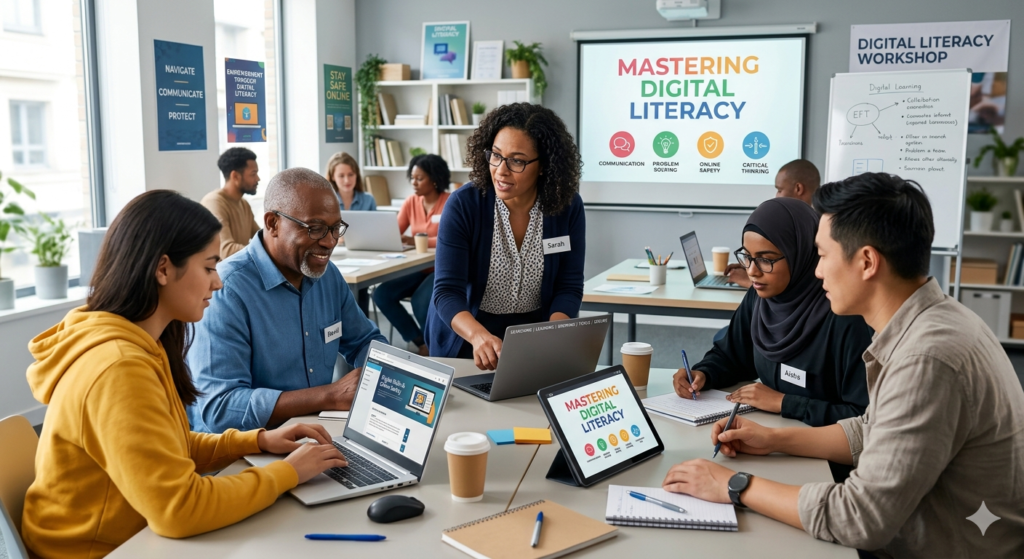
1. Digital Literacy
Digital literacy is one of the most essential skills for modern students. It refers to the ability to use digital tools, devices, software, and online platforms effectively and responsibly.
Students today use computers, smartphones, tablets, and the internet almost every day. However, simply using technology is not enough. They must understand how to search for reliable information, protect their privacy, identify fake news, and use digital resources productively.
Digital literacy also includes:
- Using productivity tools
- Understanding online safety
- Managing digital files
- Communicating through digital platforms
- Learning new technologies quickly
In the future workplace, digital literacy will no longer be optional. It will be a basic requirement for almost every career.
2. Critical Thinking
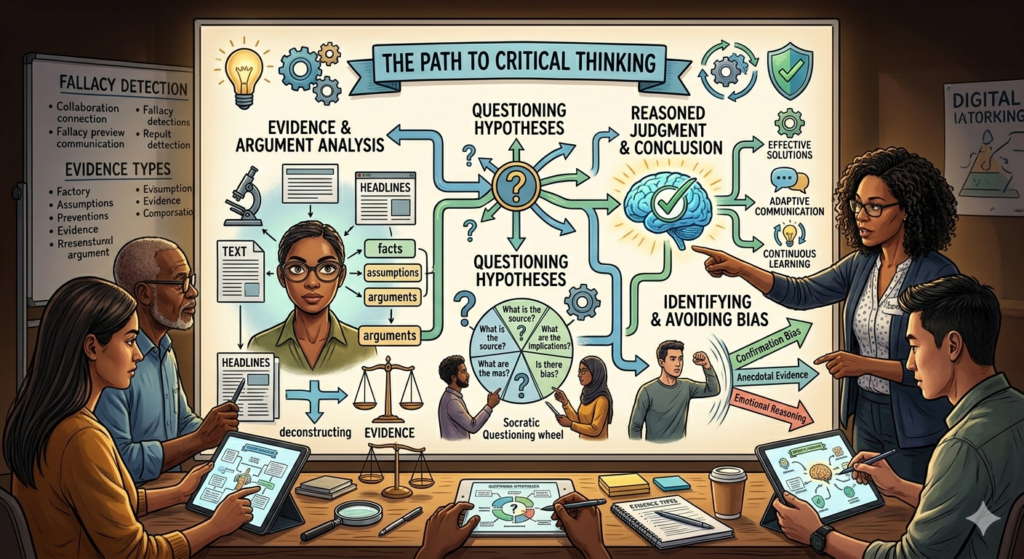
In the age of information overload, critical thinking has become more important than memorization. Students are constantly exposed to vast amounts of information online, but not all of it is accurate or trustworthy.
Critical thinking helps students:
- Analyze information carefully
- Evaluate different viewpoints
- Solve complex problems
- Make logical decisions
- Avoid misinformation
Instead of accepting everything they see online, students should learn to ask questions, verify facts, and think independently.
Employers highly value individuals who can think critically and make informed decisions in difficult situations.
3. Communication Skills
Strong communication skills are essential in both academic and professional life. In the digital age, communication is no longer limited to face-to-face conversations. Students must learn to communicate effectively through emails, video calls, presentations, social media, and online collaboration tools.
Good communication includes:
- Speaking clearly
- Writing effectively
- Listening actively
- Understanding body language
- Expressing ideas confidently
Students who communicate well can build stronger relationships, work better in teams, and express their ideas more successfully.
4. Creativity and Innovation
Technology can automate many routine tasks, but creativity remains a uniquely human strength. Creative thinking allows students to develop new ideas, solve problems differently, and innovate in various fields.
Creativity is not limited to art or music. It also applies to:
- Business ideas
- Scientific discoveries
- Marketing strategies
- Software development
- Problem-solving
Students who think creatively are more adaptable and better prepared for future careers that may not even exist today.
Schools and parents should encourage students to explore new ideas, experiment, and think outside the box.
5. Adaptability and Flexibility
The digital world changes rapidly. New technologies, software, and trends appear every year. Students must learn how to adapt to change instead of fearing it.
Adaptability means:
- Learning new skills quickly
- Accepting change positively
- Staying open-minded
- Adjusting to new environments
- Handling uncertainty confidently
The COVID-19 pandemic showed how important adaptability is. Students who could quickly adjust to online learning performed better during difficult times.
In the future, adaptability will help students remain competitive in an ever-changing job market.
6. Collaboration and Teamwork
Modern workplaces rely heavily on teamwork. Students must learn how to collaborate with others, both in person and online.
Teamwork teaches students:
- Respect for different opinions
- Shared responsibility
- Leadership skills
- Conflict resolution
- Cooperation
Digital collaboration tools such as Google Workspace, Microsoft Teams, Zoom, and project management platforms have made teamwork more global than ever.
Students who work well with others can achieve better results and become valuable team members in their careers.
7. Emotional Intelligence
Emotional intelligence is the ability to understand, manage, and express emotions effectively. It also includes empathy — understanding the feelings of others.
In today’s highly connected world, emotional intelligence is critical for maintaining healthy relationships and mental well-being.
Students with strong emotional intelligence can:
- Handle stress better
- Communicate respectfully
- Resolve conflicts peacefully
- Build positive relationships
- Stay motivated during challenges
Academic success alone is not enough. Students also need emotional strength and self-awareness to succeed in life.
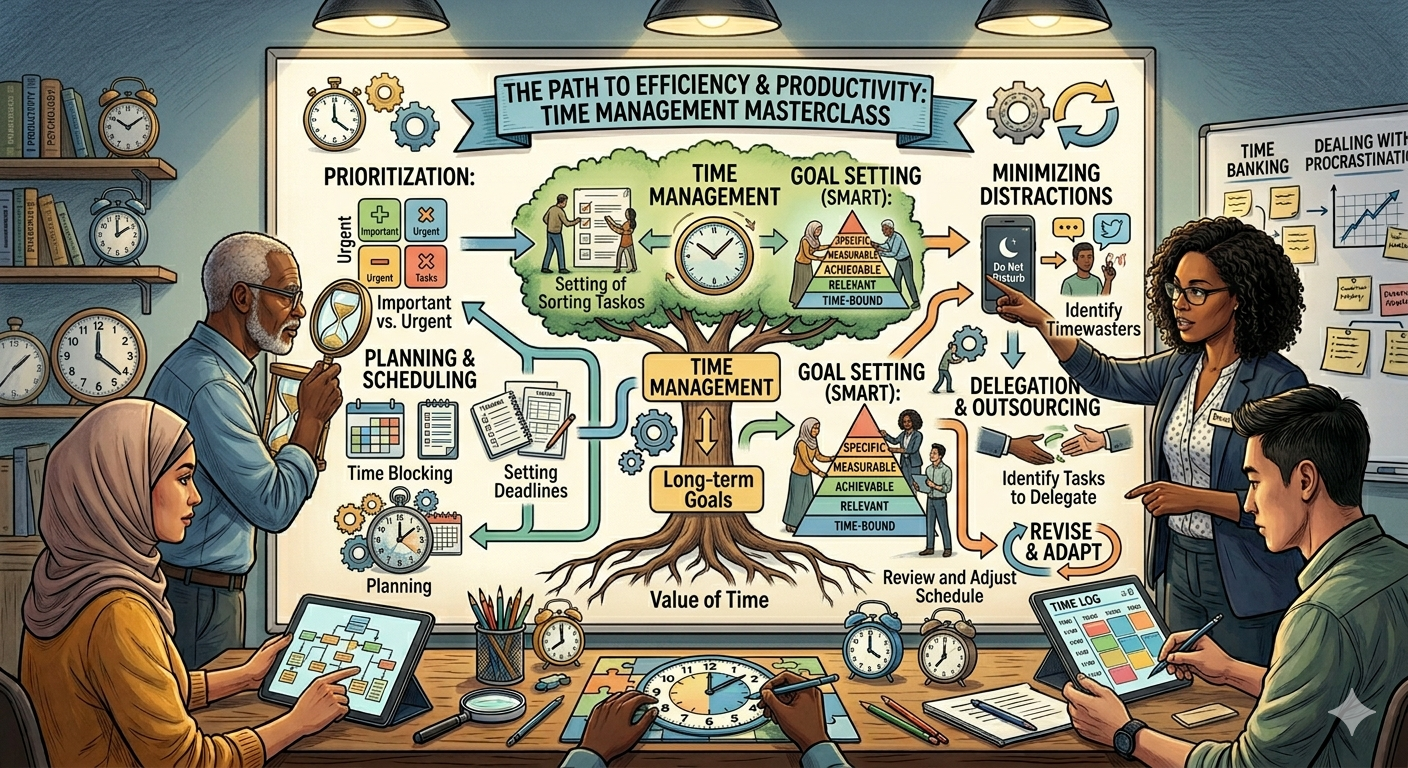
8. Time Management
The digital age offers endless distractions. Social media, online games, streaming platforms, and constant notifications can easily reduce productivity.
Time management helps students:
- Stay organized
- Complete assignments on time
- Balance study and personal life
- Reduce stress
- Increase productivity
Students should learn how to set goals, prioritize tasks, and manage screen time wisely.
Developing good time management habits at a young age can greatly improve academic performance and future career success.
9. Problem-Solving Skills
Problem-solving is one of the most valuable abilities in any profession. Employers look for people who can identify problems and find practical solutions.
Students face challenges every day, whether in academics, relationships, or personal growth. Learning how to solve problems effectively builds confidence and independence.
Problem-solving involves:
- Identifying the issue
- Analyzing possible solutions
- Making decisions
- Testing ideas
- Learning from mistakes
Students who develop strong problem-solving skills are more prepared to handle real-world challenges.
10. Lifelong Learning
The learning process does not end after school or college. In the digital age, knowledge evolves rapidly, and students must continue learning throughout their lives.
Lifelong learning means:
- Staying curious
- Continuously improving skills
- Learning from experiences
- Exploring new subjects
- Keeping up with industry trends
Online courses, educational apps, webinars, podcasts, and digital libraries have made learning more accessible than ever before.
Students who develop a habit of lifelong learning will remain relevant and successful in the future.
Why These Skills Matter
The future job market will demand more than technical knowledge. Many jobs are already being transformed by artificial intelligence and automation. Students who possess strong human skills such as creativity, emotional intelligence, communication, and critical thinking will have a major advantage.
These skills help students:
- Build successful careers
- Become confident individuals
- Adapt to technological changes
- Solve real-world problems
- Contribute positively to society
Education systems around the world are slowly shifting from traditional memorization methods toward skill-based learning. Parents, teachers, and institutions must work together to support students in developing these essential abilities.
Final Thoughts
The digital age has created incredible opportunities, but it has also introduced new challenges. To succeed in this modern world, students must go beyond textbooks and exams. They need to develop practical, emotional, technological, and interpersonal skills that prepare them for the future.
The 10 most important skills for students in the digital age — digital literacy, critical thinking, communication, creativity, adaptability, teamwork, emotional intelligence, time management, problem-solving, and lifelong learning — are essential for personal and professional success.
Students who actively develop these skills today will become the leaders, innovators, and changemakers of tomorrow.
Leave a Reply