
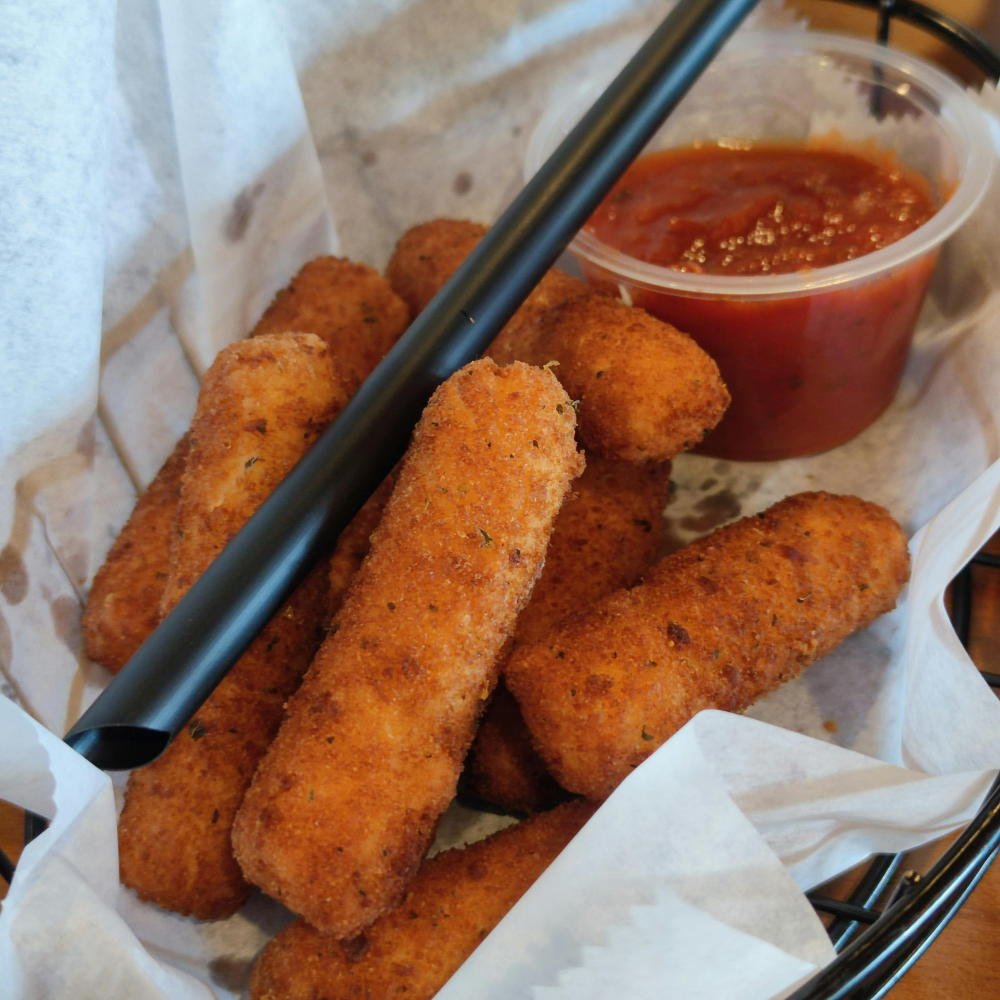
How I Make Perfectly Crispy Paneer Every Time
If there’s one thing I’ve learned after spending years in the kitchen, it’s this: making crispy paneer isn’t just about frying cubes of cheese—it’s about understanding texture, moisture, heat, and timing. Paneer, by nature, is soft and delicate. Turning it into something golden, crunchy on the outside yet soft inside requires a bit of technique and a lot of attention to detail.
In this article, I’m going to walk you through exactly how I make crispy paneer—step by step, with all the small secrets that actually make a difference. Whether you’re cooking for guests, running a food business, or just want to upgrade your home cooking game, this method will give you consistent results.
Understanding Paneer: The Foundation of Crispiness
Before I even start cooking, I pay attention to the paneer itself. Not all paneer is created equal. Fresh paneer is soft and slightly moist, which is great for curries—but if you fry it directly, it tends to turn chewy or rubbery instead of crispy.
So the first thing I always do is control the moisture.
What I Look for in Paneer:
- Firm but not rubbery texture
- Fresh smell (no sourness)
- Smooth surface without cracks
If the paneer is too soft, I know it will break. If it’s too dry, it won’t absorb flavor.
Step 1: Cutting Paneer the Right Way
I don’t randomly chop paneer—I cut it strategically.
- For snacks: small cubes (1-inch)
- For starters: rectangular strips
- For fusion dishes: triangles or fingers
Uniform size is important. If pieces are uneven, some will overcook while others remain soft.
Step 2: The Secret Pre-Treatment I Always Use
Here’s something most people skip—but I never do.
I soak paneer pieces in lightly salted warm water for 10–15 minutes.
Why I Do This:
- It softens slightly hardened paneer
- Removes excess acidity
- Helps seasoning absorb better
After soaking, I gently pat the paneer dry with a cloth or tissue. This step is crucial—wet paneer will never crisp properly.
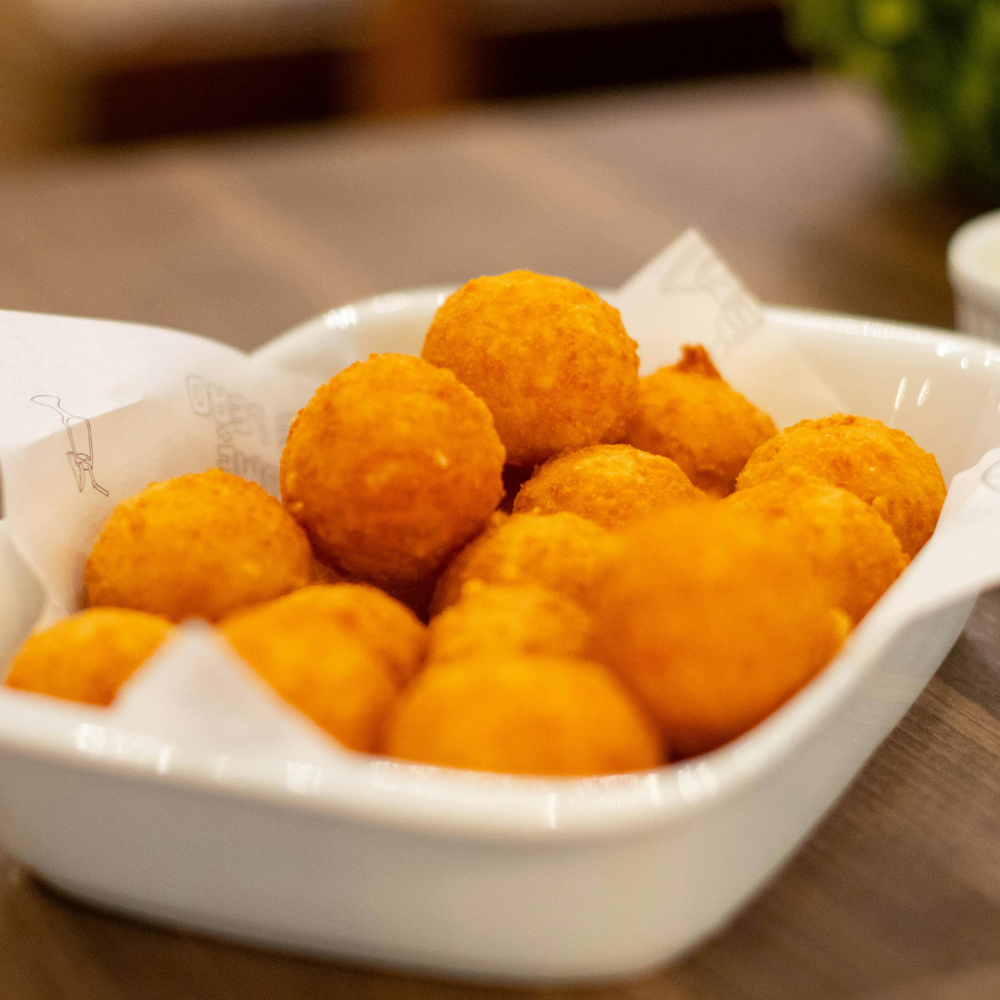
Step 3: Choosing the Right Coating
There are multiple ways to make paneer crispy, but over time, I’ve perfected three main coating methods. Each gives a slightly different texture.
1. Dry Flour Coating (Light Crisp)
I mix:
- Cornflour
- A little all-purpose flour
- Salt, pepper, and spices
Then I lightly toss paneer in it.
Result: Thin, delicate crisp layer
2. Batter Coating (Restaurant Style)
This is my go-to for a proper crispy outer shell.
I prepare a batter using:
- Cornflour
- Rice flour (this is my secret for extra crunch)
- A little maida
- Water
- Spices
The batter should not be too thick or too runny. It should coat the paneer smoothly without dripping too much.
Result: Golden, crunchy coating
3. Double Coating (Ultra Crispy)
When I want that extra crunch (especially for starters), I use this method:
- Dip paneer in batter
- Coat with dry flour mix
- Fry immediately
Result: Thick, crunchy outer layer with soft interior
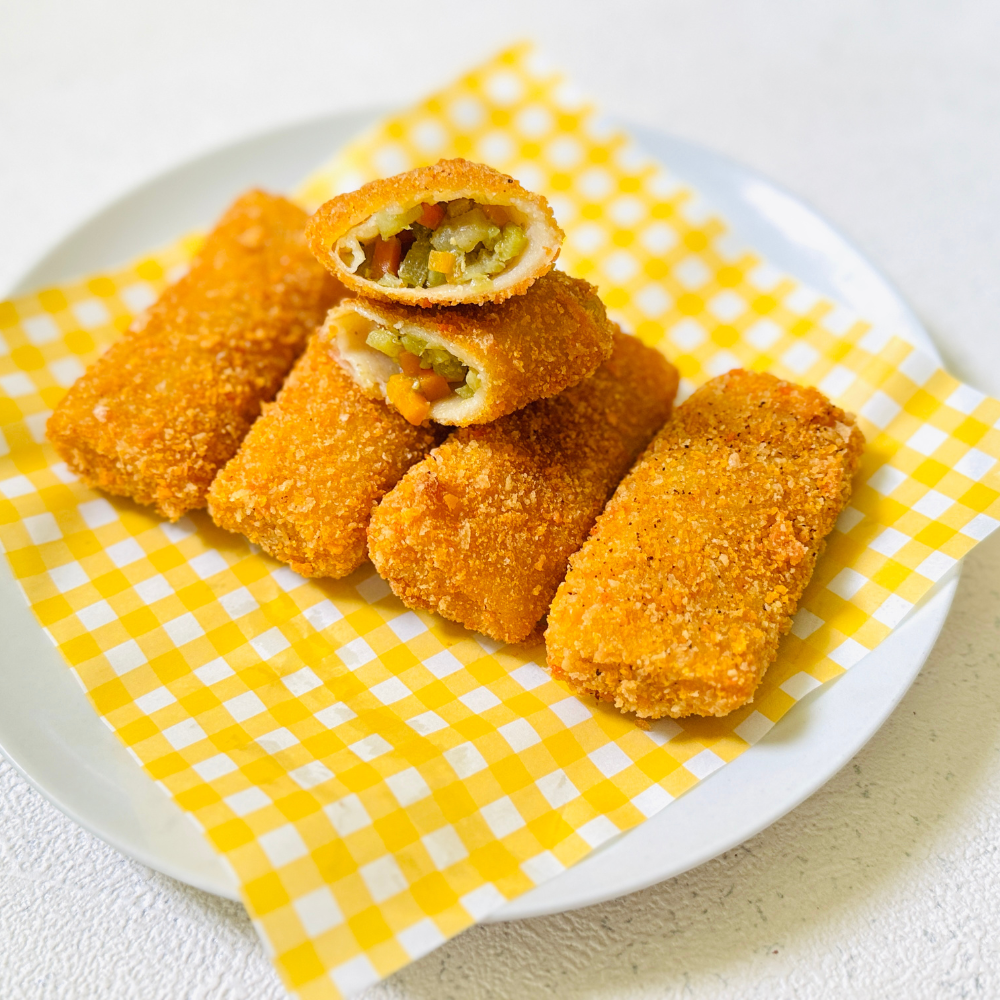
Step 4: Oil Temperature — The Game Changer
If there’s one mistake I see people making, it’s frying at the wrong temperature.
I always heat oil to medium-high—not smoking hot, not lukewarm.
How I Check:
I drop a tiny bit of batter into oil:
- If it sinks and rises slowly → perfect
- If it burns instantly → too hot
- If it stays at bottom → too cold
Wrong temperature ruins everything:
- Low heat → soggy paneer
- High heat → burnt outside, raw coating inside
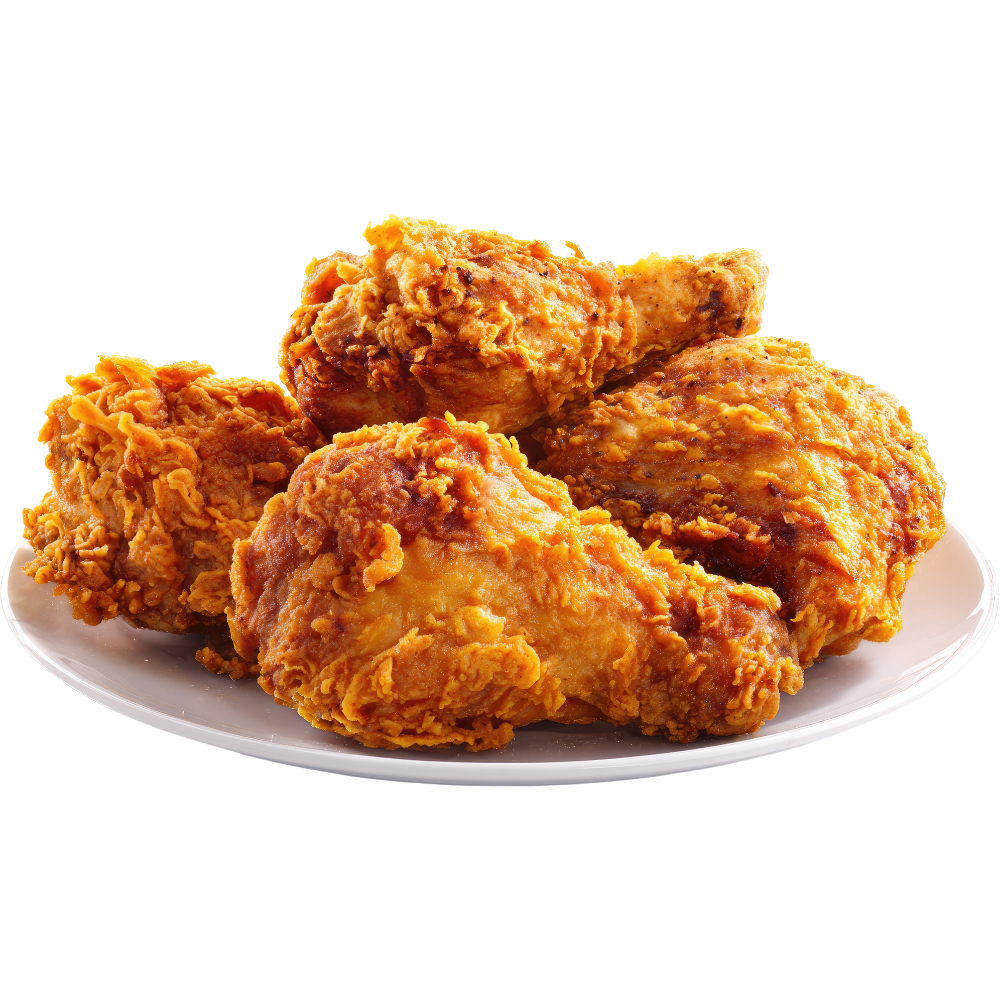
Step 5: Frying Technique I Follow
I never overcrowd the pan. Paneer needs space.
My Frying Process:
- Gently place coated paneer into oil
- Don’t touch for the first 30–40 seconds
- Turn occasionally for even browning
- Fry until golden, not dark brown
Over-frying makes paneer chewy—and that’s the last thing I want.
Step 6: Draining the Right Way
Once fried, I don’t just dump paneer on a plate.
I place it on:
- A wire rack (best option)
- Or tissue paper
This prevents steam buildup, which can make the coating soggy.
Step 7: Final Seasoning Touch (My Signature Move)
Right after frying, while paneer is still hot, I toss it lightly with:
- Chaat masala
- A pinch of salt
- Red chili powder (optional)
This step enhances flavor instantly because hot paneer absorbs seasoning better.
Variations I Personally Use
Once you master basic crispy paneer, you can create endless variations. Here are some of my favorites:
1. Spicy Crispy Paneer
I add:
- Garlic paste
- Chili flakes
- Soy sauce
Perfect for Indo-Chinese style dishes.
2. Herb Crispy Paneer
I mix:
- Oregano
- Basil
- Black pepper
Gives a fusion, café-style taste.
3. Tandoori Crispy Paneer
I marinate paneer in:
- Yogurt
- Tandoori masala
- Lemon juice
Then coat and fry.
Common Mistakes I Avoid
Over the years, I’ve seen (and made) plenty of mistakes. Here’s what I always avoid now:
1. Skipping Drying Step
Wet paneer = no crispiness.
2. Using Only Maida
Maida alone doesn’t give crunch. I always add cornflour or rice flour.
3. Overcrowding Oil
This drops oil temperature and ruins texture.
4. Frying Too Long
Paneer becomes rubbery.
5. Not Serving Fresh
Crispy paneer tastes best immediately.
Read Also: How to make Daal Baati Choorma
How I Keep Paneer Crispy for Longer
Sometimes I need to prepare in advance, especially for events or orders. Here’s what I do:
- I half-fry paneer first
- Let it cool
- Fry again just before serving
This double-fry method keeps it crispy for longer durations.
Serving Ideas I Love
Crispy paneer is extremely versatile. I serve it in many ways:
- As a starter with mint chutney
- Tossed in sauces for chili paneer
- Inside wraps or rolls
- On top of salads
- As a tea-time snack
Presentation also matters. I often garnish with:
- Spring onions
- Sesame seeds
- Lemon wedges
My Personal Chef Tips (Experience Talking)
After years in the kitchen, these are small but powerful insights I always follow:
- Always taste your coating before frying
- Keep ingredients ready before starting
- Use fresh oil for best flavor
- Maintain consistency in size and coating
- Trust your instinct more than recipes
Cooking isn’t just science—it’s also intuition.
Final Thoughts
For me, making crispy paneer isn’t just a recipe—it’s a craft I’ve refined over time. It’s about respecting ingredients, controlling technique, and paying attention to the smallest details.
Once you understand the balance between moisture, coating, and heat, you can create perfectly crispy paneer every single time. And the best part? You can customize it endlessly based on your taste and style.
If you follow the process I’ve shared—not just the steps but the reasoning behind them—you’ll notice a huge difference in your results.
And trust me, once you get it right, there’s no going back.