Pasta is one of the most beloved dishes across the world, known for its simplicity, versatility, and comforting taste. Whether you are preparing a quick weekday meal or crafting a gourmet experience, learning how to make pasta properly can elevate your cooking skills significantly. This guide walks you through everything—from making fresh pasta dough to cooking and pairing it with the perfect sauce.
Understanding Pasta: The Basics
Before jumping into cooking, it helps to understand what pasta actually is. At its core, pasta is made from a combination of flour and liquid (usually eggs or water). The dough is then shaped into various forms and cooked in boiling water.
There are two main types of pasta:
- Fresh pasta – Soft, tender, and made at home or in small batches
- Dried pasta – Store-bought and longer shelf life
Both types have their place in the kitchen, and mastering both will make you a more versatile cook.
Ingredients You’ll Need
For Fresh Pasta Dough:
- 2 cups all-purpose flour (or “00” flour for smoother texture)
- 3 large eggs
- A pinch of salt
- 1 tablespoon olive oil (optional)
For Cooking Pasta:
- Water
- Salt
For Basic Sauce (Example: Tomato Sauce):
- 2 tablespoons olive oil
- 3 cloves garlic (chopped)
- 4 ripe tomatoes or 1 cup canned tomatoes
- Salt and pepper to taste
- Fresh basil (optional)
Step 1: Making Fresh Pasta Dough
Start by placing the flour on a clean surface and forming a mound. Create a well in the center and crack the eggs into it. Add a pinch of salt.
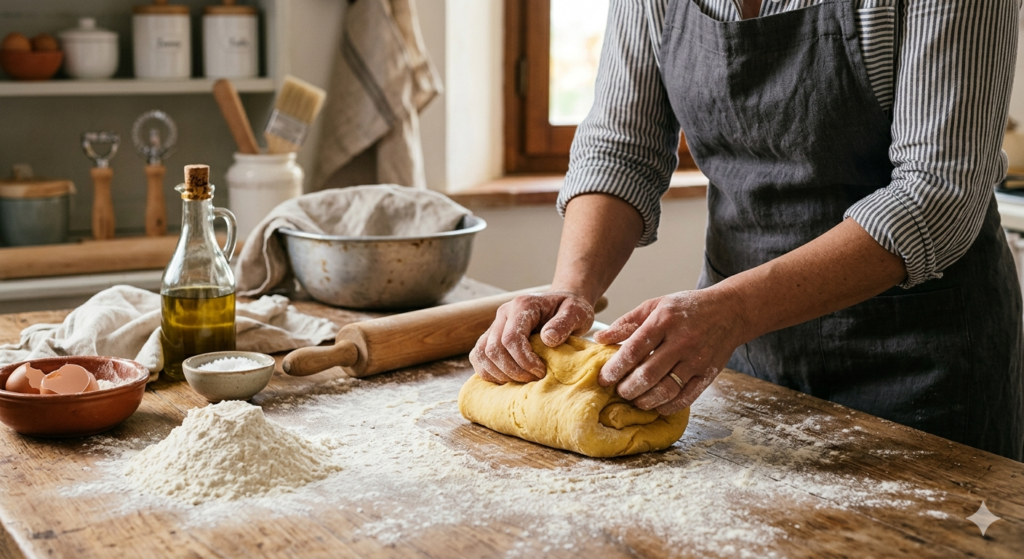
Using a fork, gently beat the eggs and gradually incorporate the flour from the edges. Once it starts to come together, use your hands to knead the dough.
Kneading the Dough:
- Knead for about 8–10 minutes
- The dough should become smooth and elastic
- If it feels sticky, add a little flour
- If it feels dry, add a few drops of water
Wrap the dough in plastic or cover it with a bowl and let it rest for at least 30 minutes. This helps relax the gluten and makes rolling easier.
Step 2: Rolling and Shaping the Pasta
After resting, divide the dough into smaller portions. Roll each portion using a rolling pin or pasta machine until thin.
Common Shapes:
- Fettuccine – Flat ribbons
- Spaghetti – Thin strands
- Lasagna sheets – Wide flat layers
- Penne – Tube-shaped (usually made from dried pasta)
Dust lightly with flour to prevent sticking.
Step 3: Cooking the Pasta
Bring a large pot of water to a rolling boil. Add a generous amount of salt—the water should taste slightly salty like the sea.
Add the pasta and cook:
- Fresh pasta: 2–4 minutes
- Dried pasta: 8–12 minutes (depending on type)
Stir occasionally to prevent sticking.
Tip:
Cook pasta until al dente, which means it should be tender but still slightly firm when bitten.
Reserve a cup of pasta water before draining—it’s useful for sauces.
Step 4: Preparing the Sauce
While the pasta cooks, prepare your sauce.
Simple Tomato Sauce:
- Heat olive oil in a pan
- Add garlic and sauté until fragrant
- Add tomatoes and cook for 10–15 minutes
- Season with salt and pepper
- Add basil for freshness
You can also explore other sauces:
- Cream-based (Alfredo)
- Pesto (basil, nuts, cheese)
- Butter and garlic
- Cheese-based sauces
Step 5: Combining Pasta and Sauce
Add the cooked pasta directly into the sauce pan. Toss well so every strand or piece is coated.
Add a splash of reserved pasta water to help the sauce cling better.
Cook together for 1–2 minutes for better flavor absorption.
Step 6: Serving the Pasta
Serve hot and garnish with:
- Grated cheese (like Parmesan)
- Fresh herbs
- A drizzle of olive oil
Pair with garlic bread or a simple salad for a complete meal.
Tips for Perfect Pasta
- Always salt your water—it enhances flavor
- Don’t overcook pasta; texture matters
- Use fresh ingredients for better taste
- Match pasta shapes with suitable sauces (thicker sauces for larger shapes)
- Avoid rinsing pasta after cooking unless making cold dishes
Common Mistakes to Avoid
- Using too little water (causes sticking)
- Adding oil to boiling water (not necessary)
- Overloading the pot
- Not tasting the pasta while cooking
read also :SHAHI PANEER BUTTER MASALA
Conclusion
Making pasta is both an art and a skill that improves with practice. From kneading dough to choosing the right sauce, each step contributes to the final dish. Once you master the basics, you can experiment with flavors, shapes, and techniques to create your own signature pasta recipes.
Cooking pasta at home not only ensures freshness but also gives you full control over ingredients and taste. Whether simple or elaborate, a well-made pasta dish is always satisfying.