Top 10 places in Bikaner
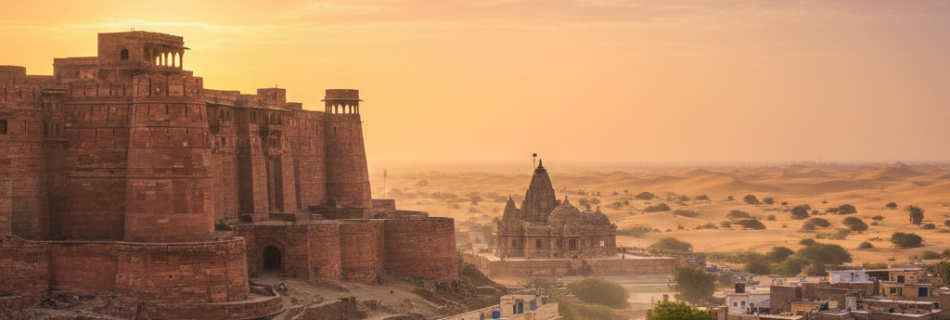
Bikaner: The Desert Jewel of Rajasthan Nestled in the heart of the Thar Desert in Rajasthan, Bikaner is a treasure trove of history, architectural brilliance, spiritual diversity, and vibrant cultural traditions. Founded in 1488 AD by Rao Bika Ji, this fortified city flourished into a powerful Rajput kingdom that left behind an enduring legacy of sandstone forts, palaces, temples, and havelis. Today, Bikaner is a captivating destination for travelers seeking royal grandeur, desert landscapes, and authentic Rajasthani culture. From ancient forts to camel research centers, quiet lakeside palaces, and reverent temples, here’s a comprehensive guide to the top 10 places you absolutely must visit in Bikaner. 1. Junagarh Fort — A Timeless Marvel of Rajput Architecture No trip to Bikaner is complete without visiting Junagarh Fort, a monumental fortress situated right in the heart of the city. Built between 1589 and 1594 AD under the reign of Raja Rai Singh, this magnificent ensemble of palaces, temples, and courtyards defied the norm by being constructed on the plains instead of a hilltop — a bold architectural statement of its time. The fort’s imposing sandstone walls conceal some of the most exquisite interiors in Rajasthan. Inside, visitors are greeted by ornate halls like Anup Mahal and Phool Mahal, adorned with intricate mirror work, frescoes, and regal balconies. Each palace courtyard reflects a blend of Rajput, Mughal, and Gujarati architectural styles, making the fort not just a military bastion but also a masterpiece of artistic sophistication. Equally captivating is the museum within the fort, housing royal costumes, weaponry, manuscripts, and artifacts that vividly illustrate the regal lifestyle of Bikaner’s rulers. A walk through the fort walls offers a glimpse into a glorious past — an essential experience for history enthusiasts and cultural explorers alike. 2. Karni Mata Temple — The Enigmatic Temple of Rats One of the most unusual and fascinating attractions near Bikaner is the Karni Mata Temple in Deshnok, roughly 30 kilometers from the city. Dedicated to Karni Mata, a revered local deity considered an incarnation of Goddess Durga, this temple is famed worldwide as the “Temple of Rats” due to the thousands of rats (locally called kabbas) that roam freely here. Devotees and visitors alike consider these rats sacred. They are fed, cared for, and even revered; spotting a white rat among them is particularly auspicious. The temple’s unique blend of devotion and intrigue draws spiritual seekers, photographers, and curious travelers from across India and around the world. Even if the concept might sound unusual at first, a visit here offers a profound insight into local beliefs and the cultural fabric of Rajasthan — where reverence and folklore intertwine in unexpected ways. 3. Lalgarh Palace — A Rajputian Masterpiece in Red Sandstone The breathtaking Lalgarh Palace stands as a testament to Bikaner’s royal grandeur and architectural finesse. Built by Maharaja Ganga Singh as a tribute to his father, this sprawling palace is a synthesis of Indo-Saracenic architecture, melding Rajput, Mughal, and European elements into its red sandstone façade. Today, Lalgarh Palace houses a heritage luxury hotel as well as the Ganga Golden Jubilee Museum, which exhibits royal memorabilia, historical relics, paintings, and hunting trophies. Its beautifully manicured lawns, serene courtyards, and ornate balconies make it a favorite spot for both tourists and photography enthusiasts. Exploring the palace grounds gives visitors a sense of the royal lifestyle of the bygone era, complete with tales of ceremonial grandeur, artistic traditions, and regal ceremonies. 4. National Research Centre on Camel — The Camel Capital of India Bikaner’s vast desert landscape naturally makes it a center for camel breeding and conservation, and the National Research Centre on Camel stands as the flagship institution for this purpose. Located about 8 km from the city, this unique center provides fascinating insights into camel biology, breeding techniques, and desert ecology. Visitors can interact with camels, learn about different camel breeds like Bikaneri, Jaisalmeri, and Kachchhi, and even enjoy camel rides or camel-milk ice cream — a novelty for many travelers. The centre also offers educational displays about these majestic desert animals, making it an engaging destination for families and animal lovers. 5. Gajner Palace & Wildlife Sanctuary — Lakeside Royal Retreat and Nature Haven About 30 kilometers from Bikaner lies the magnificent Gajner Palace, situated on the serene banks of Gajner Lake. Originally a hunting lodge and pleasure palace built by the royals, it has now been transformed into a heritage hotel that blends luxury with nature’s tranquility. The surrounding Gajner Wildlife Sanctuary is a delightful surprise for wildlife enthusiasts. This lush forested area draws a variety of animals like nilgai, chinkara, blackbucks, wild boars, and diverse bird species, especially around the life-giving waters of the lake. Whether you’re watching migratory birds by the shore at dawn or taking a leisurely walk amid wildlife, Gajner offers a refreshing contrast to Bikaner’s desert terrain — a perfect blend of royalty and wilderness. 6. Rampuria Havelis — The Photographer’s Dream The labyrinthine streets of old Bikaner reveal another heritage highlight — the Rampuria Havelis. These elegant mansions were constructed in the 19th century by the affluent Rampuria family and are famed for their intricate red sandstone carvings, detailed jharokhas (balconies), and artistic flourishes. Though these havelis are privately owned and not fully open to the public, their facades alone are a photographer’s delight. Wandering through the lanes, you’ll be transported back in time, capturing scenes straight out of Rajasthan’s princely past. 7. Bhandasar Jain Temple — A Spiritual and Architectural Gem Hidden within the heart of Bikaner, the Bhandasar Jain Temple stands as a testament to both devotion and artistry. Built in the 15th century, this temple is dedicated to Lord Mahavira and is renowned for its ornate frescoes, golden hues, and mirror work. Unlike grand fortresses or lakeside palaces, this temple offers a quieter, more contemplative experience. The shimmering interiors and intricate carvings reflect the artistic excellence of the era and offer a spiritual haven for visitors. 8. Shri Laxminath Temple — The City’s Protector Deity Among …