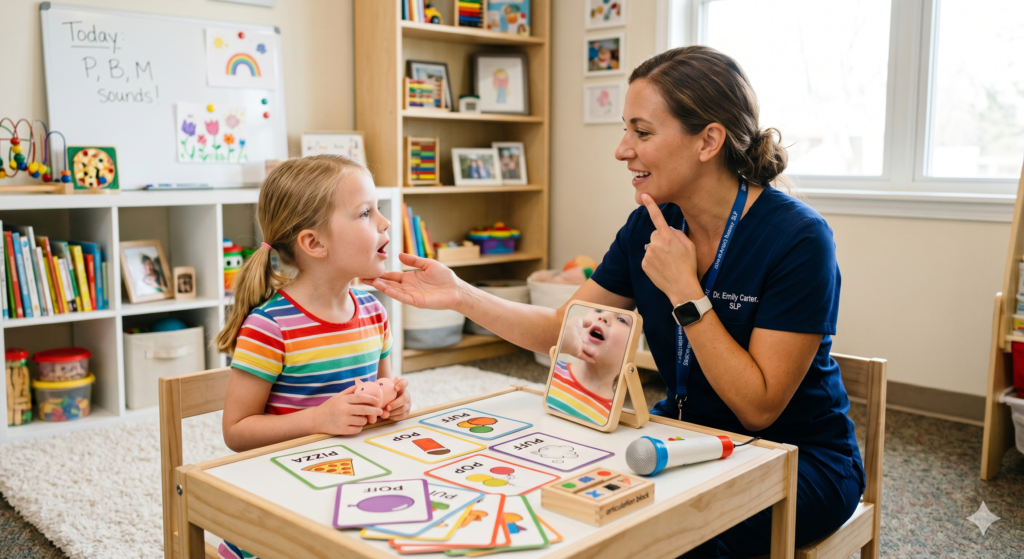
Communication is one of the most important skills a child develops while growing up. It helps children express their feelings, share ideas, build friendships, and learn in school. However, some children face difficulties with speaking, understanding language, pronunciation, or social communication. In such cases, speech therapy plays a major role in helping them improve their communication skills and confidence.
What is Speech Therapy?
Speech Therapy is a professional treatment that helps children and adults improve speech, language, voice, and communication abilities. Speech therapy is usually provided by trained experts called speech-language pathologists (SLPs).
The therapy focuses on helping children who struggle with:
- Pronouncing words correctly
- Understanding language
- Forming sentences
- Stuttering or fluency problems
- Voice disorders
- Social communication skills
Speech therapy sessions are designed according to the child’s age and specific needs. Activities often include games, exercises, storytelling, picture cards, and conversation practice to make learning fun and engaging.
Why Some Kids Need Speech Therapy

Every child develops differently, but some children may take longer to develop communication skills. Speech difficulties can happen due to:
- Developmental delays
- Hearing problems
- Autism spectrum disorder
- Learning disabilities
- Neurological conditions
- Lack of social interaction
- Oral muscle weakness
Children who cannot communicate properly may feel frustrated, shy, or isolated. Early speech therapy can help reduce these challenges and support healthy emotional and social development.
Benefits of Speech Therapy for Kids
1. Improves Pronunciation and Clarity
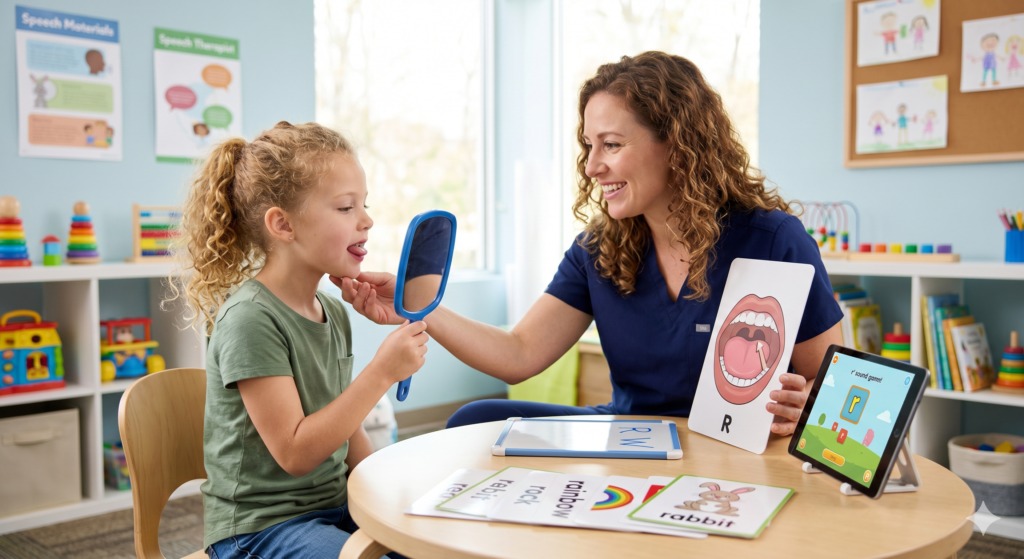
Some children have trouble saying certain sounds correctly, such as “r,” “s,” or “th.” Speech therapy helps them learn correct tongue placement and mouth movements so others can understand them more clearly.
For example, a child saying “wabbit” instead of “rabbit” can gradually learn proper pronunciation through guided practice.
2. Builds Vocabulary and Language Skills
Speech therapy helps children learn new words, sentence formation, grammar, and conversation skills. This improves their ability to express thoughts and understand others.
Children become more comfortable asking questions, sharing stories, and participating in classroom discussions.
3. Boosts Confidence and Social Skills
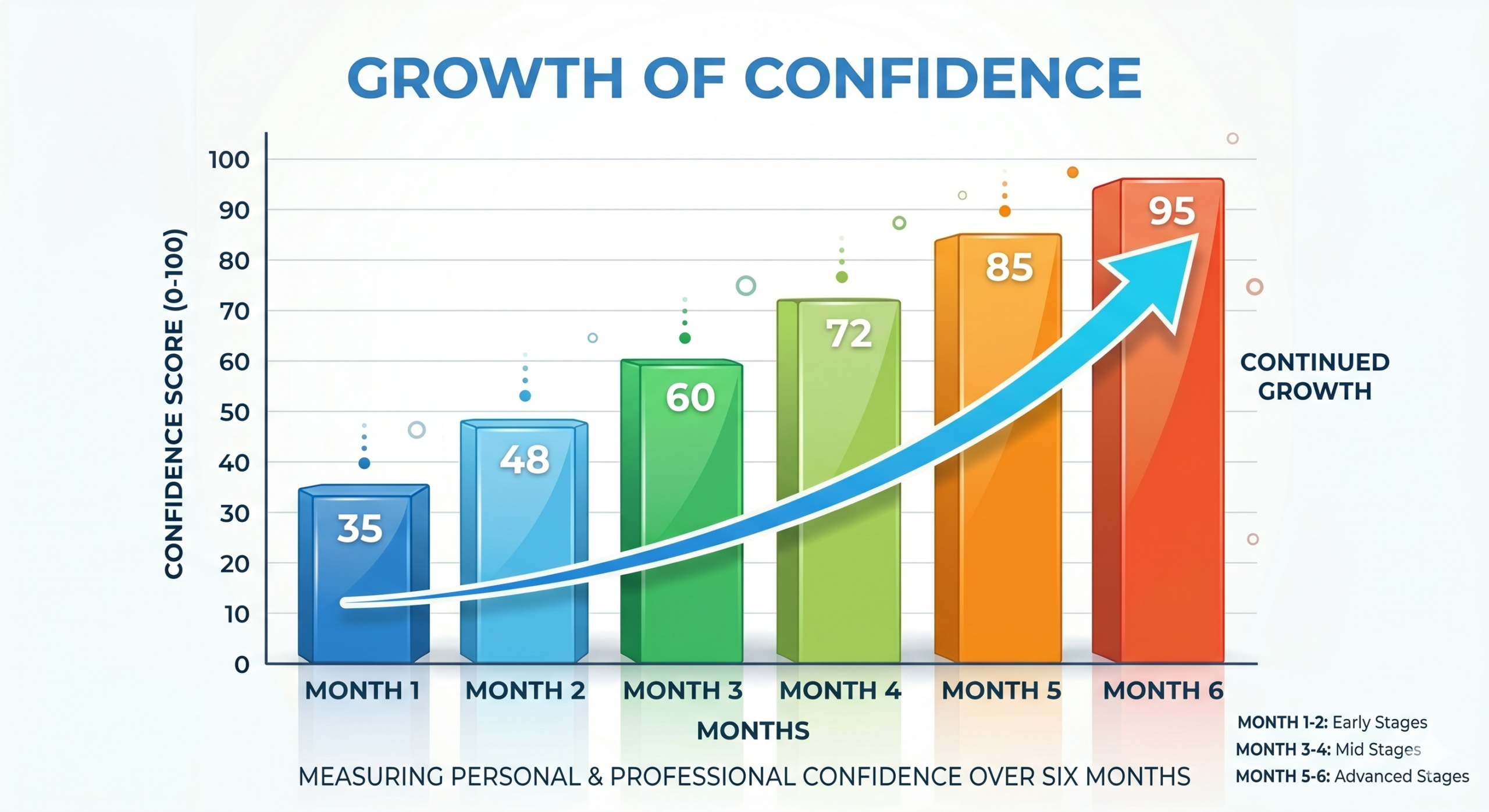
Communication problems can sometimes make children feel embarrassed or nervous around others. Speech therapy encourages children to interact confidently with friends, teachers, and family members.
As communication improves, children often become more active socially and emotionally.
4. Helps with Stuttering and Fluency
Some children repeat sounds or struggle to speak smoothly. Speech therapy teaches breathing techniques, pacing, and speaking exercises that help improve fluency and reduce stuttering.
5. Supports Academic Performance
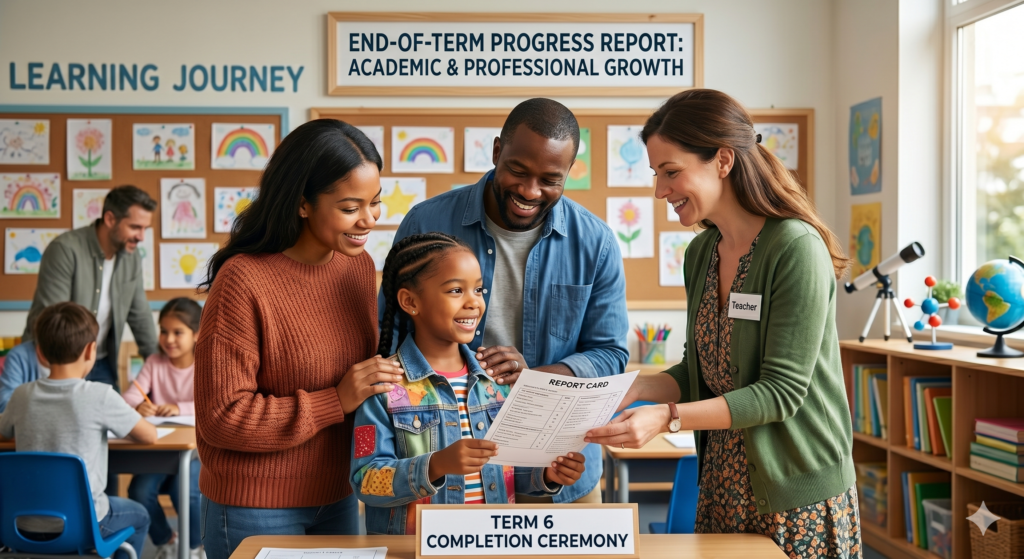
Good communication skills are closely connected to reading, writing, and learning. Children who improve their speech and language abilities often perform better in school and understand lessons more easily.
Techniques Used in Speech Therapy
Speech therapists use different techniques depending on the child’s needs, including:
- Articulation exercises
- Language games
- Flashcards and picture books
- Storytelling activities
- Mirror exercises for mouth movement
- Breathing and voice control activities
- Social interaction practice
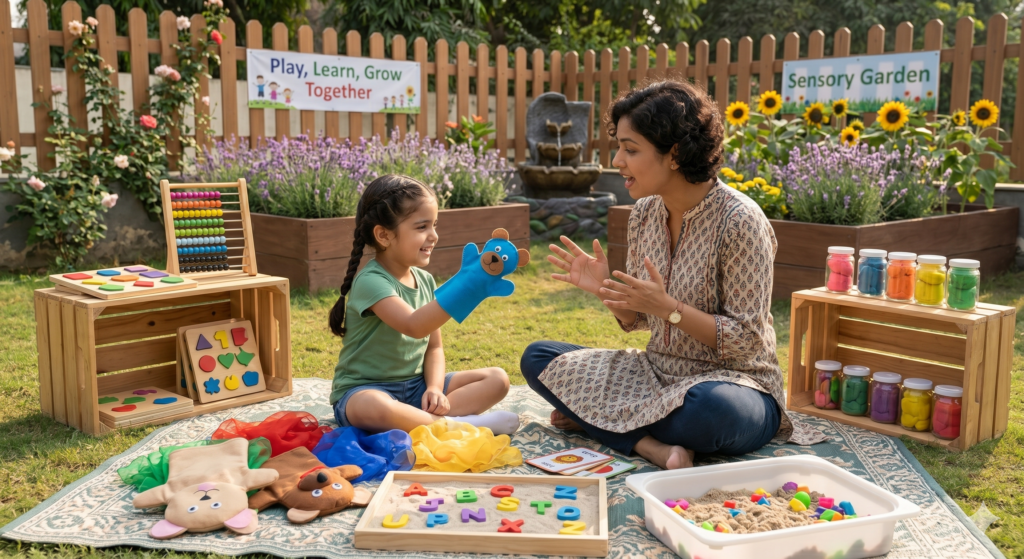
Therapists also guide parents on how to support communication practice at home.
Importance of Early Intervention
Early intervention is one of the most important factors in successful speech therapy. The earlier communication problems are identified, the easier it becomes to improve speech and language development.
Parents should consult a speech therapist if their child:
- Speaks very few words for their age
- Has unclear speech
- Struggles to understand instructions
- Avoids speaking
- Stutters frequently
- Has difficulty interacting socially
Role of Parents in Speech Development
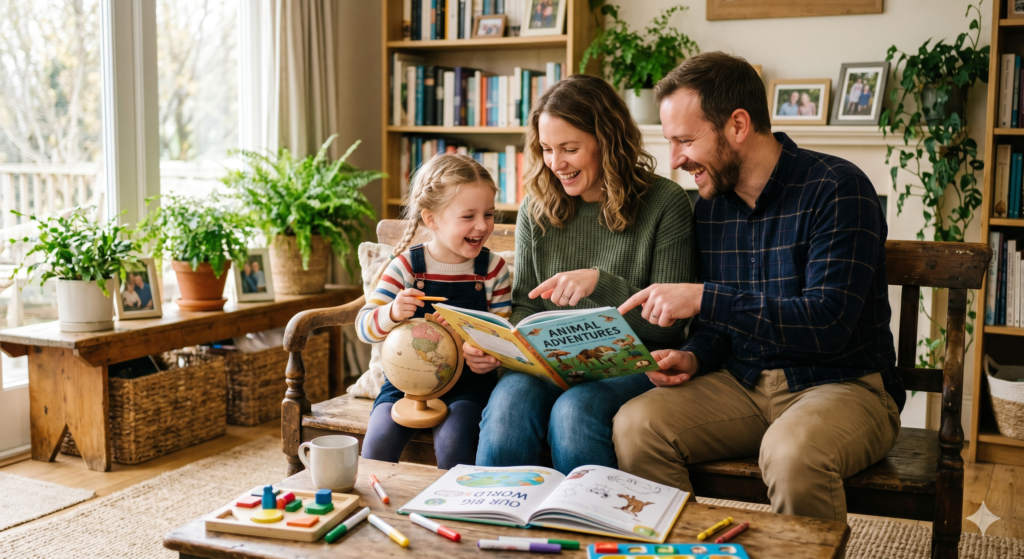
Parents play a huge role in helping children improve communication skills. Simple daily activities can support speech therapy, such as:
- Talking regularly with the child
- Reading storybooks together
- Encouraging conversations
- Listening patiently
- Praising communication efforts
- Limiting excessive screen time
A supportive home environment helps children practice communication naturally.
Conclusion
Speech therapy is a valuable tool that helps children communicate more effectively and confidently. It not only improves speech and language skills but also supports emotional, social, and academic growth. With early support, proper guidance, and encouragement from parents and therapists, children can overcome communication challenges and develop strong lifelong communication skills.
Helping a child communicate better means helping them connect with the world more confidently and successfully.
Also read :Shoja ( village of Himachal)
Leave a Reply