
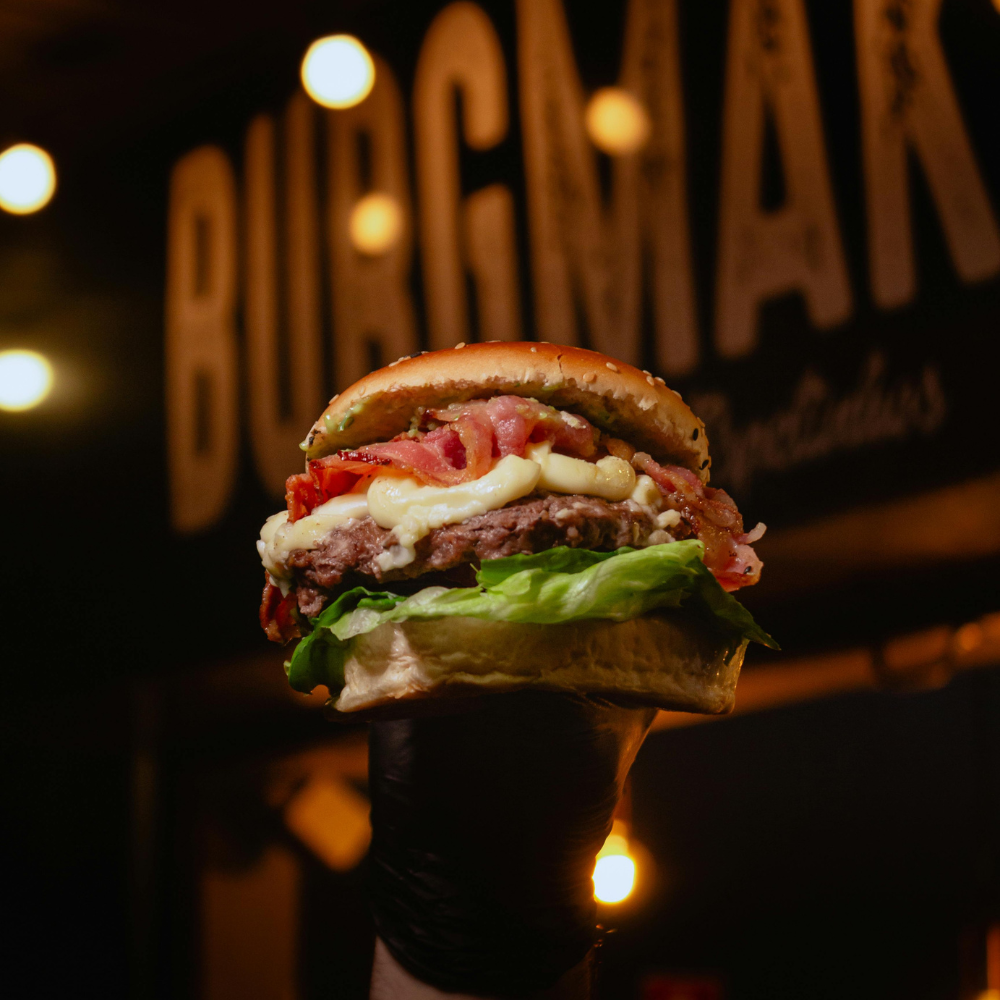
There’s a certain quiet confidence that comes with making a truly great burger. It’s not just about stacking ingredients between two buns—it’s about balance, technique, and respect for each component. As a chef, I don’t approach a burger as fast food; I approach it as a composed dish where texture, flavor, and aroma must work in harmony.
In this guide, I’ll walk you through my process—how I think, how I prepare, and how I execute a burger that stands out. This isn’t rushed cooking; this is deliberate, thoughtful craftsmanship.
Understanding the Foundation
Before we begin, let me make one thing clear: a great burger starts long before it hits the pan or grill. It begins with ingredient selection.
1. Choosing the Meat
I always say: fat is flavor. Lean meat alone will give you a dry, forgettable burger.
- Ideal ratio: 80% meat, 20% fat
- Best cuts: chuck, brisket, or a blend of both
- Freshly ground meat is always superior to pre-packaged
When I prepare mince myself, I control the texture—slightly coarse, never paste-like. That texture translates into a juicy, tender bite.
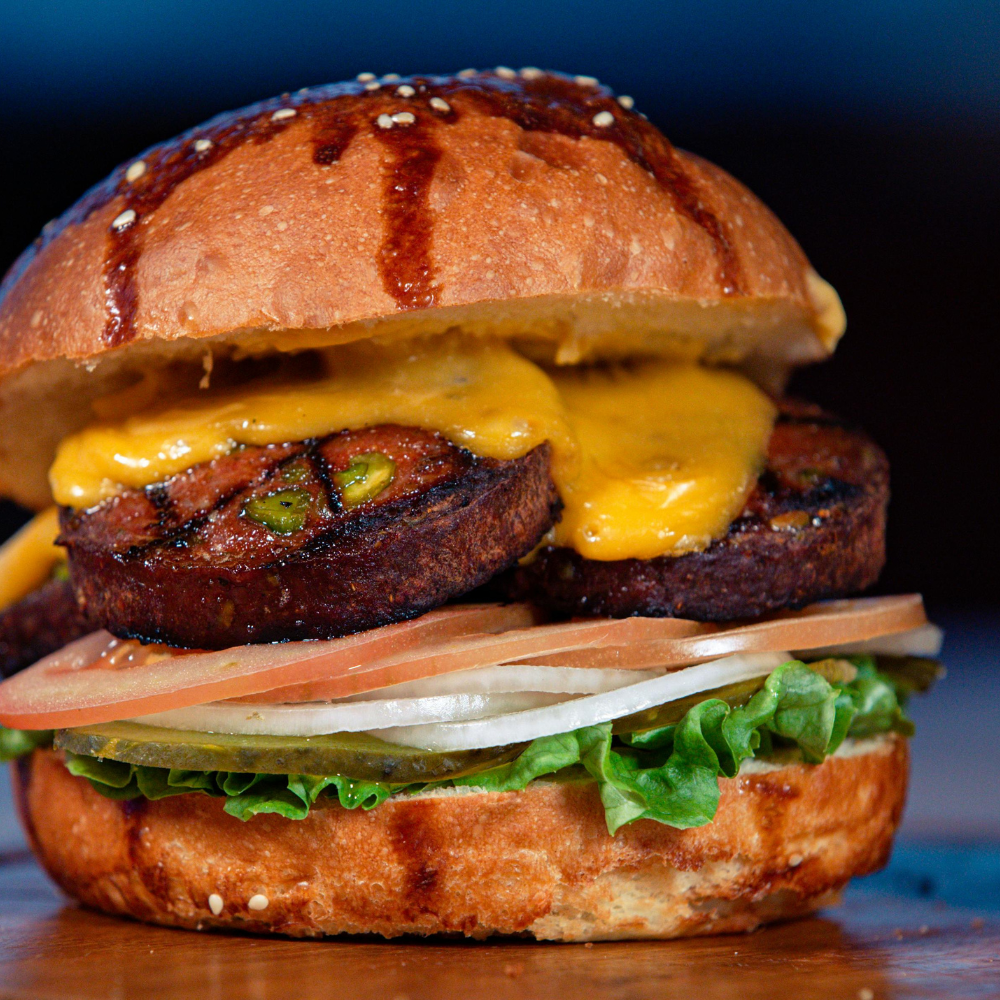
Ingredients (Serves 4)
For the Patties:
- 500g ground beef (80/20 ratio)
- 1 tsp salt
- ½ tsp freshly ground black pepper
- 1 tsp mustard (optional, for depth)
- 1 clove garlic, finely minced (optional)
For Assembly:
- 4 burger buns (brioche preferred)
- 4 slices cheese (cheddar works beautifully)
- 1 onion, sliced
- 1 tomato, sliced
- Lettuce leaves (crisp varieties)
- Pickles (optional but recommended)
For the Sauce:
- 3 tbsp mayonnaise
- 1 tbsp ketchup
- 1 tsp mustard
- ½ tsp paprika
- A squeeze of lemon juice
Step 1: Forming the Patties
This is where many people go wrong—they overwork the meat.
I gently combine the seasoning with the mince. No aggressive mixing. Think of it as folding, not kneading.
- Divide into equal portions
- Shape into patties about 1.5–2 cm thick
- Press a slight indentation in the center (prevents puffing)
Chef’s tip: Keep the patties slightly wider than the bun. They shrink during cooking.
Once shaped, I let them rest in the refrigerator for at least 20–30 minutes. This helps them hold together and improves texture.
Step 2: Preparing the Accompaniments
While the patties rest, I focus on the supporting elements.
The Sauce
I whisk together mayonnaise, ketchup, mustard, paprika, and lemon juice. The goal is balance—creamy, tangy, slightly smoky.
Taste it. Adjust it. This is your signature touch.
The Vegetables
- Onions: I sometimes caramelize them slowly for sweetness, or keep them raw for bite.
- Lettuce: Always crisp and fresh
- Tomatoes: Firm, not overly ripe
Every element must contribute—not just fill space.
Step 3: Toasting the Buns
A burger bun should never be an afterthought.
I lightly butter the cut sides and toast them on a hot pan until golden.
Why?
- Adds texture
- Prevents sogginess
- Enhances flavor
A soft bun without structure will collapse under a juicy patty. Toasting solves that.
Step 4: Cooking the Patties
This is the moment of truth.
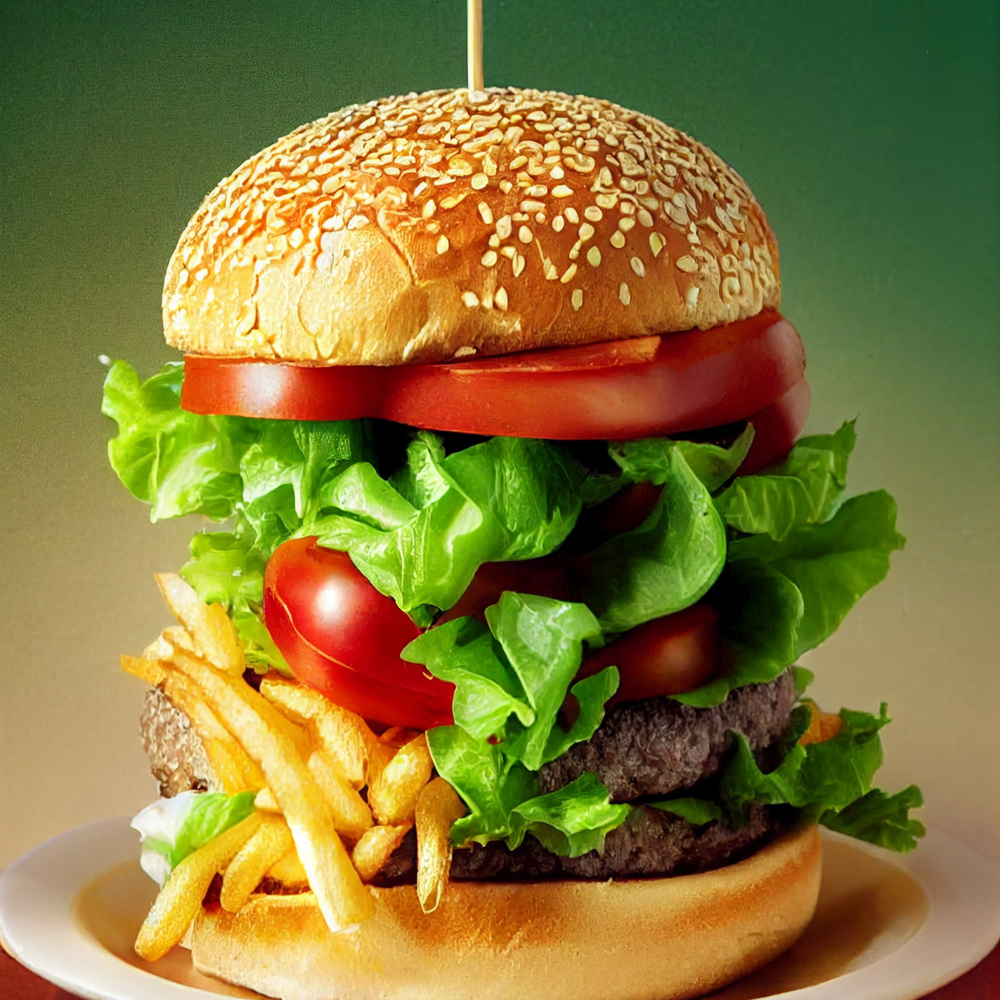
You can use a cast-iron skillet or a grill. Personally, I prefer cast iron for its consistent heat.
Method:
- Heat the pan until it’s properly hot
- Add a touch of oil
- Place the patties down gently
Important: Once the patty hits the pan, leave it alone. No pressing, no moving.
- Cook for 3–4 minutes on the first side
- Flip once
- Add cheese immediately after flipping
- Cook another 2–3 minutes
If I want medium doneness, I stop when the internal temperature hits around 65–70°C.
Chef’s rule: Never press the burger with a spatula. You’re squeezing out flavor.
Step 5: Building the Burger
Now comes the composition—this is where your personality shows.
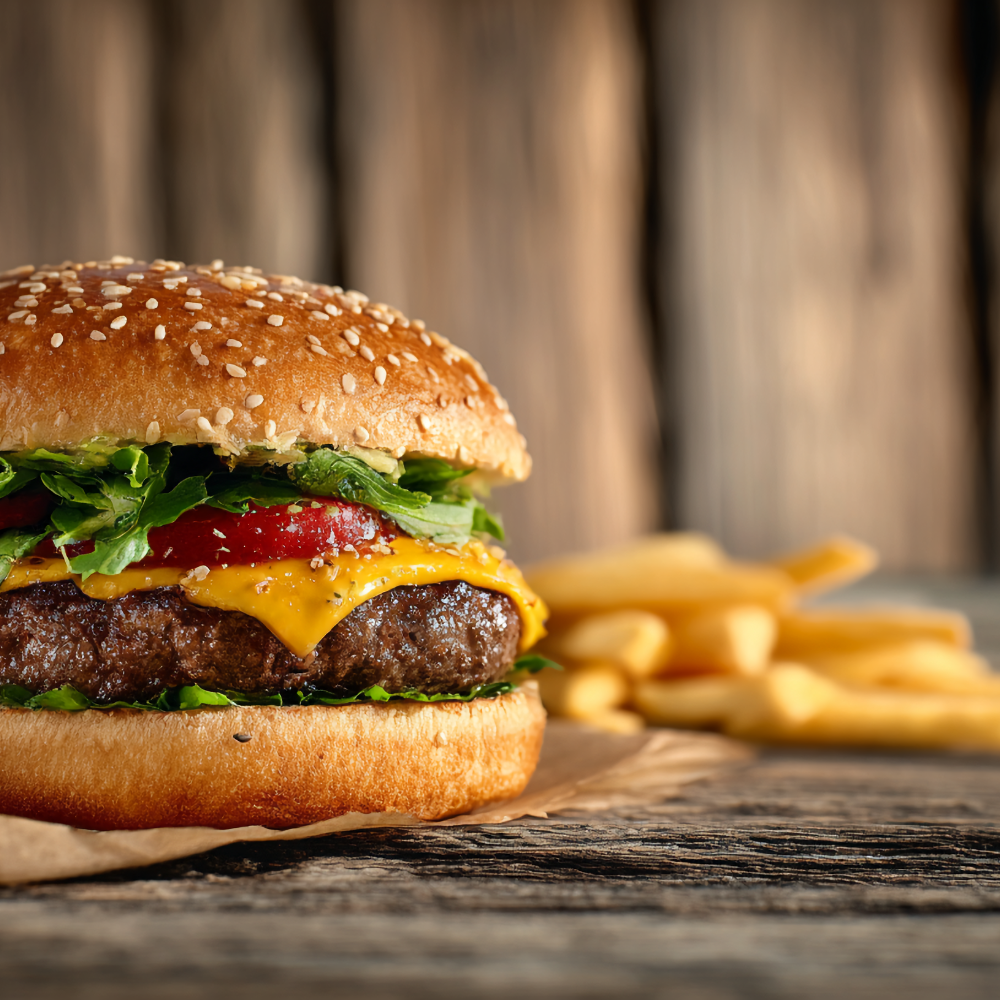
Here’s how I layer:
- Bottom bun
- Sauce
- Lettuce
- Patty with melted cheese
- Onion
- Tomato
- Pickles
- A final touch of sauce
- Top bun
This order isn’t random. It’s structural.
- Lettuce acts as a moisture barrier
- Sauce placement ensures flavor in every bite
- Balance prevents the burger from sliding apart
Step 6: The Final Touch
Once assembled, I let the burger sit for about a minute. This allows everything to settle.
Then, I serve immediately.
A great burger doesn’t wait.
Variations I Often Use
As a chef, I rarely make the same burger twice. Here are a few variations I enjoy:
1. Smoky BBQ Burger
- Add barbecue sauce
- Use smoked cheese
- Include crispy onions
2. Spicy Burger
- Add chili flakes or hot sauce to the patty
- Use jalapeños
- Pepper jack cheese works well
3. Gourmet Mushroom Burger
- Sauté mushrooms with garlic and butter
- Add Swiss cheese
- Finish with a touch of thyme
Common Mistakes to Avoid
Even experienced cooks slip up. Here are pitfalls I always avoid:
- Overmixing the meat → leads to dense patties
- Cooking on low heat → no proper sear
- Skipping bun toasting → soggy structure
- Overloading ingredients → messy, unbalanced burger
- Undersalting → bland flavor
Precision matters.
The Philosophy Behind a Great Burger
A burger, in its essence, is simple. But simplicity demands discipline.
When I make a burger, I’m not just cooking—I’m making decisions:
- How much fat?
- What texture?
- What contrast between soft and crisp?
- Where does acidity come from?
Every choice influences the final bite.
Serving Suggestions
A well-made burger deserves proper company:
- Crispy fries with a pinch of salt
- A light coleslaw for contrast
- Fresh lemonade or a chilled drink
But never let the sides overshadow the burger. It should remain the star.
read also : how to make pizza
Final Thoughts
Making a burger at a professional level isn’t about complexity—it’s about intention.
From selecting the meat to assembling the final bite, every step should feel controlled, deliberate, and confident. That’s what separates an average burger from one that people remember.
When you cook this way, you’re not just following a recipe—you’re expressing skill.
So take your time. Respect the process. And most importantly, trust your instincts.
Because at the end of the day, a great burger isn’t just made—it’s crafted.