In this article we are going to discuss about top 10 places to visit in Ranthambore, nestled in the royal state of Rajasthan, Ranthambore is a captivating blend of wildlife, history, and natural beauty. Once the private hunting grounds of the Maharajas of Jaipur, this region is now one of India’s most celebrated wildlife destinations. From majestic tigers roaming freely in the wild to ancient forts and serene lakes, Ranthambore offers an unforgettable experience for nature lovers, photographers, history enthusiasts, and spiritual seekers alike.
Here are the top 10 places to visit in Ranthambore that should be on every traveler’s itinerary.
1. Ranthambore National Park
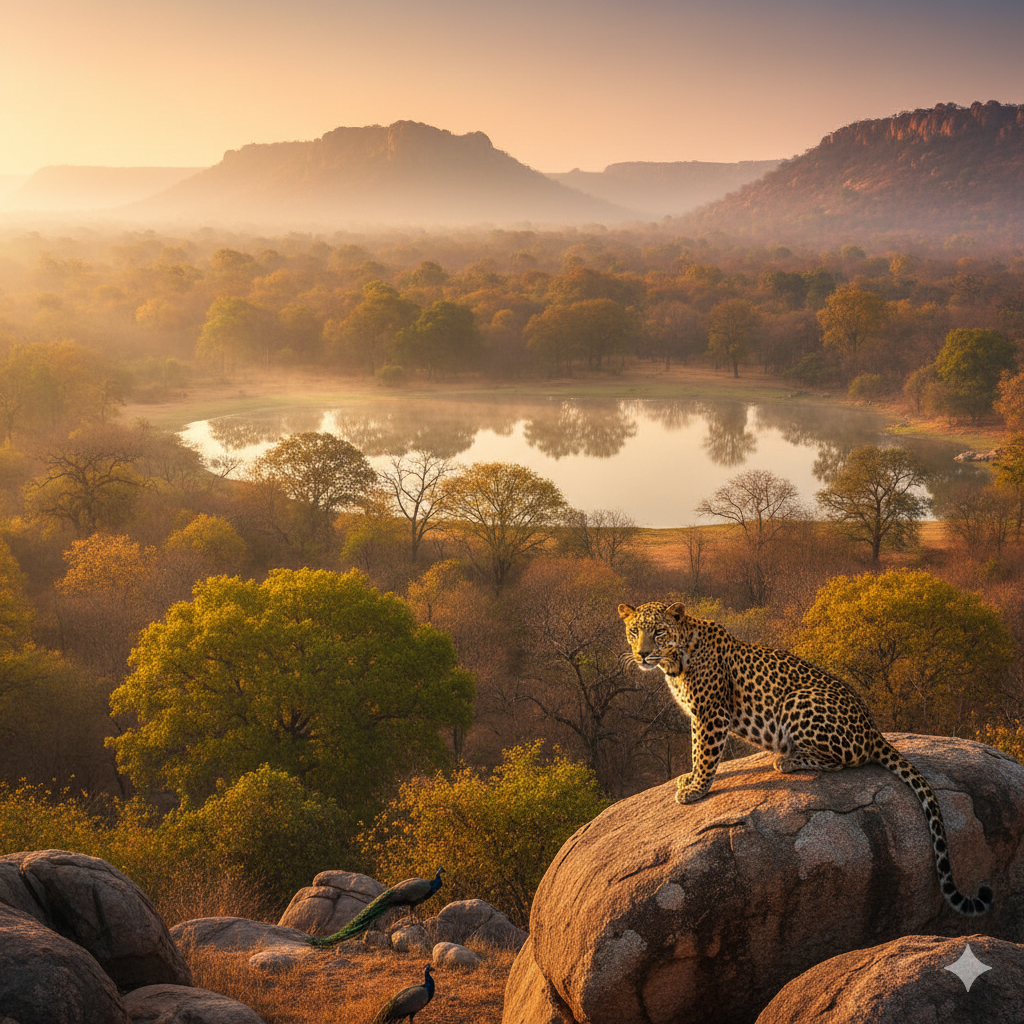
The crown jewel of the region, Ranthambore National Park is one of India’s largest and most famous national parks. Spread across approximately 1,334 square kilometers, the park is renowned for its healthy population of Royal Bengal Tigers. Unlike many other reserves, the tigers here are known for their relatively frequent daytime sightings, making it a paradise for wildlife photographers.
The park is divided into multiple safari zones, each offering a unique landscape of dry deciduous forests, open grasslands, rocky hills, and scenic lakes. Apart from tigers, you can spot leopards, sloth bears, striped hyenas, marsh crocodiles, sambar deer, chital, nilgai, and over 300 species of birds. A jeep or canter safari through this rugged terrain is an exhilarating experience that brings you face-to-face with nature in its rawest form.
2. Ranthambore Fort
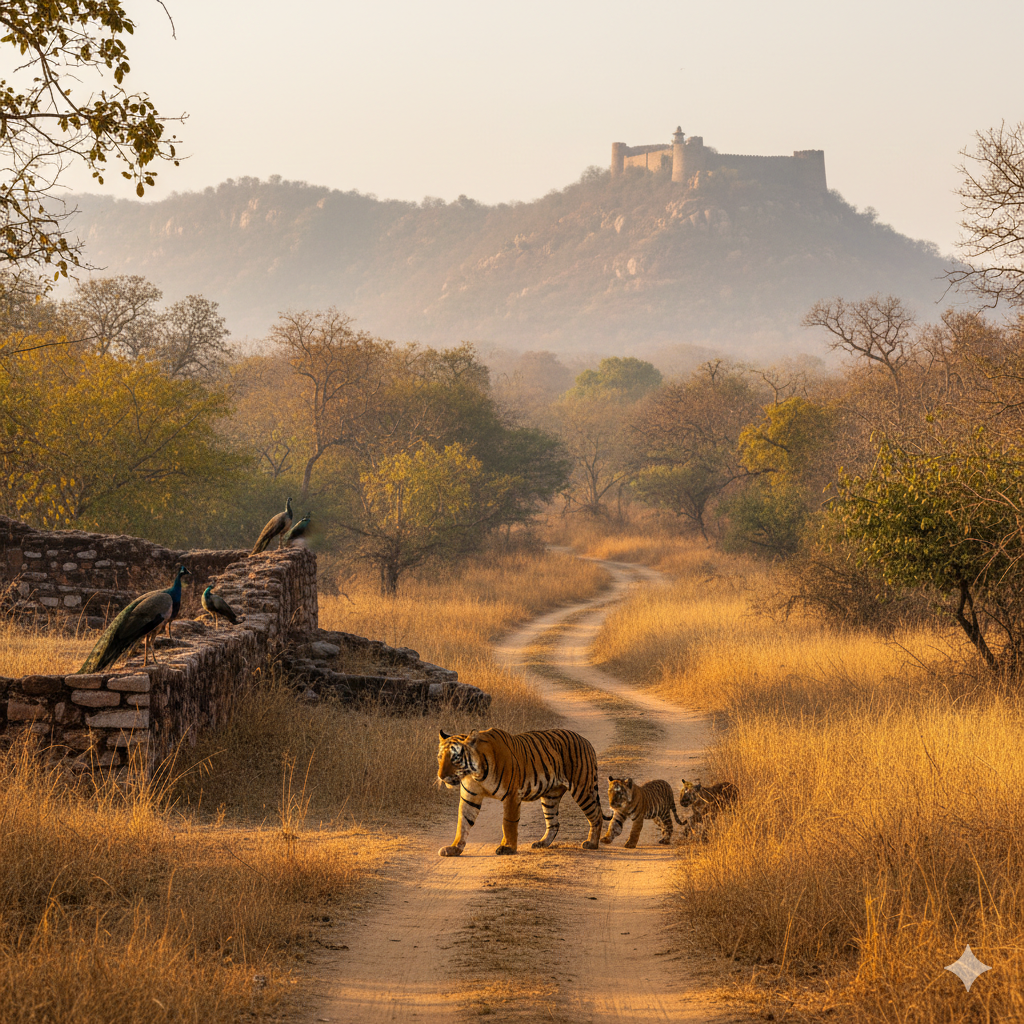
Standing majestically atop a hill within the national park, Ranthambore Fort is a UNESCO World Heritage Site and a symbol of Rajasthan’s glorious past. Built in the 10th century by the Chauhan rulers, the fort has witnessed numerous battles and sieges over the centuries.
The climb to the fort is as rewarding as the destination itself. Along the way, you’ll pass ancient gateways, crumbling walls, and panoramic viewpoints offering sweeping vistas of the forest below. Inside the fort complex, you’ll find temples, stepwells, and palaces that echo stories of valor and resilience. The combination of history and natural surroundings makes this fort a must-visit landmark.
3. Padam Talao
Padam Talao is the largest lake in Ranthambore National Park and one of its most picturesque spots. The lake is often the backdrop for iconic tiger photographs, especially when a tiger is seen cooling off in the water during the hot summer months.
At the edge of the lake stands the beautiful Jogi Mahal, a historic forest rest house with a massive banyan tree nearby—considered one of the largest in India. The reflection of the surrounding hills and ruins in the tranquil waters of Padam Talao creates a mesmerizing scene, especially during sunrise and sunset.
4. Rajiv Gandhi Regional Museum of Natural History
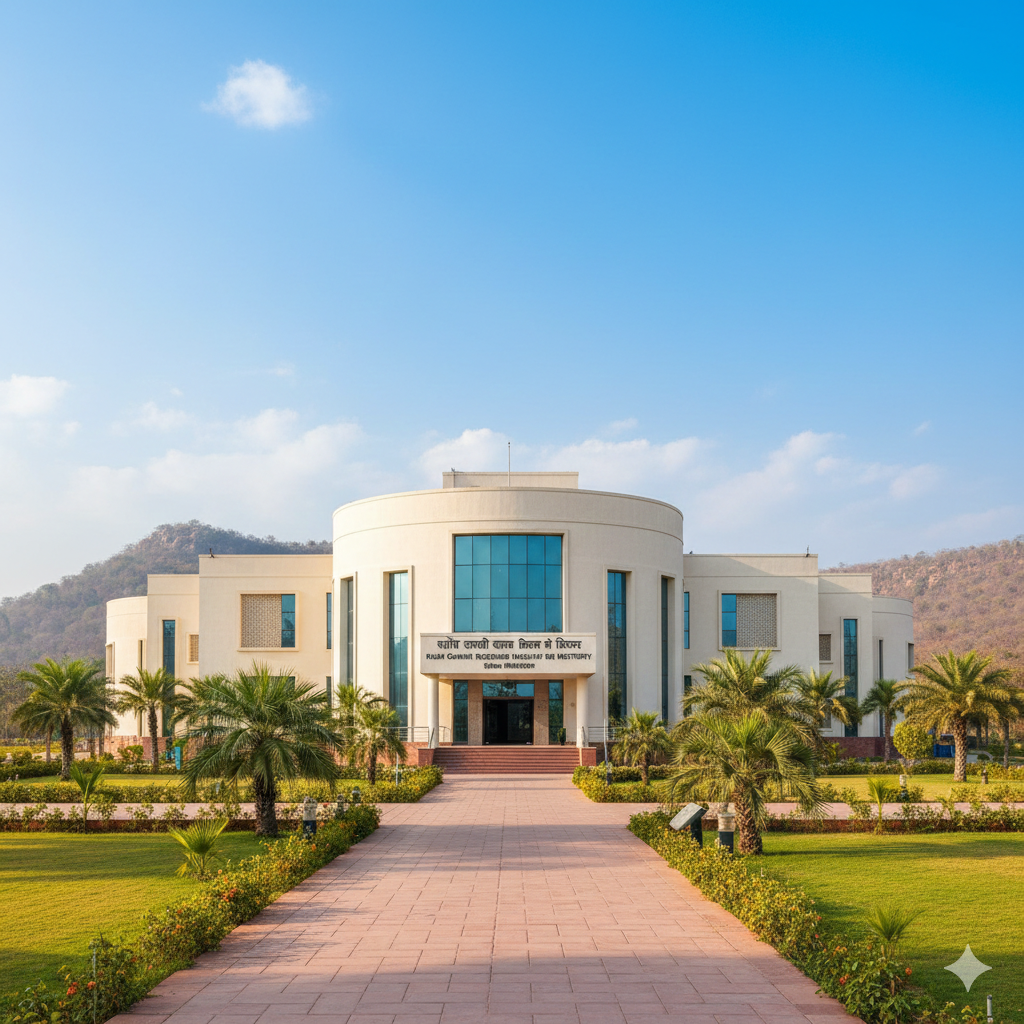
For those who want to understand the region’s biodiversity and conservation efforts more deeply, the Rajiv Gandhi Regional Museum of Natural History is an excellent stop. The museum features informative exhibits on Rajasthan’s flora, fauna, geology, and tribal culture.
Interactive displays, life-sized models of animals, and educational galleries make it an engaging experience for both adults and children. Visiting the museum before heading out on a safari can enrich your understanding of the ecosystem you’re about to explore.
5. Surwal Lake
Located a short drive from Ranthambore, Surwal Lake is a hidden gem, particularly popular among birdwatchers. During the winter months, the lake becomes a haven for migratory birds such as flamingos, pelicans, painted storks, and spoonbills.
The peaceful surroundings and rural landscape make it an ideal spot for photography and quiet reflection. Early morning visits offer the best chance to witness flocks of birds gliding over the shimmering waters as the sun rises.
6. Malik Talao
Malik Talao is another scenic lake inside Ranthambore National Park. Smaller than Padam Talao, this water body is known for frequent wildlife sightings, especially crocodiles basking along the banks.
The lake attracts a variety of birds and herbivores, making it a hotspot for safari-goers. The surrounding landscape, dotted with ancient ruins and dense vegetation, adds to its charm. It’s one of the best locations in the park to observe the delicate balance of predator and prey in action.
7. Kachida Valley
Situated on the outskirts of the main park area, Kachida Valley is known for its rugged terrain and rocky outcrops. This area is particularly famous for leopard sightings, as the elusive cats prefer the hilly landscape away from the dominant tigers.
The valley also supports a population of sloth bears and various species of deer. The dramatic scenery, combined with the thrill of spotting rare wildlife, makes Kachida Valley an exciting destination for safari enthusiasts.
8. Trinetra Ganesh Temple
Located within the Ranthambore Fort complex, the Trinetra Ganesh Temple is one of the oldest temples dedicated to Lord Ganesha in Rajasthan. The temple holds immense religious significance and attracts thousands of devotees each year.
The idol here is unique, as it depicts Lord Ganesha with three eyes (Trinetra). During festivals like Ganesh Chaturthi, the temple comes alive with vibrant celebrations and rituals. Even for non-devotees, the spiritual ambiance and historical setting make it worth a visit.
9. Jogi Mahal
Situated near Padam Talao, Jogi Mahal is a historic structure that once served as a hunting lodge for the royal family. Although entry inside the building is restricted, the exterior architecture and its scenic location make it a popular attraction.
The massive banyan tree in front of Jogi Mahal is a highlight, drawing attention for its sprawling canopy and impressive age. The area offers excellent photo opportunities, especially with the lake and fort in the background.
10. Sawai Madhopur
No visit to Ranthambore is complete without exploring Sawai Madhopur, the town that serves as the gateway to the national park. The town offers a glimpse into rural Rajasthani life, colorful markets, and traditional cuisine.
You can shop for local handicrafts, textiles, and souvenirs, or savor authentic Rajasthani dishes like dal baati churma and gatte ki sabzi. The town’s warm hospitality and cultural vibrancy provide a delightful contrast to the wilderness adventures inside the park.
Best Time to Visit Ranthambore
The ideal time to visit Ranthambore is between October and June. The winter months (October to February) offer pleasant weather and excellent birdwatching opportunities. Summer (March to June) can be hot, but it increases the chances of tiger sightings, as animals gather around water sources. so I hope you understood about Top 10 places to Visit in Ranthambore
The park remains closed during the monsoon season (July to September) due to heavy rainfall.
Read also:Top 10 Best Places to Visit in Shimla