Healthy eyesight isn’t just about genetics or screen habits—it’s strongly influenced by what you eat. The eyes, like any other part of the body, rely on proper nutrition to function well and resist damage over time. A balanced diet rich in specific vitamins, minerals, and antioxidants can help maintain clear vision and reduce the risk of age-related eye problems.
Key Nutrients for Eye Health
1. Vitamin A Vitamin A plays a crucial role in maintaining good vision, especially in low-light conditions. It supports the retina and helps prevent dryness. A deficiency can lead to night blindness and other issues.
Foods to include: Carrots, sweet potatoes, pumpkin, spinach, and mangoes.
2. Lutein and Zeaxanthin These are powerful antioxidants that help protect the eyes from harmful blue light and oxidative stress. They are linked to a lower risk of cataracts and macular degeneration.
Foods to include: Kale, spinach, broccoli, peas, and corn.
3. Vitamin C Vitamin C helps protect the eyes against damage caused by free radicals and supports healthy blood vessels in the eyes.
Foods to include: Oranges, lemons, strawberries, guava, and bell peppers.
4. Vitamin E This vitamin helps prevent oxidative damage that can lead to eye disorders.
Foods to include: Almonds, sunflower seeds, peanuts, and vegetable oils.
5. Omega-3 Fatty Acids These healthy fats are essential for proper visual development and retinal function. They may also help reduce dry eye symptoms.
Foods to include: Flaxseeds, walnuts, chia seeds, and fatty fish like salmon and sardines.
6. Zinc Zinc helps transport Vitamin A from the liver to the retina and supports immune function in the eyes.
Foods to include: Whole grains, lentils, chickpeas, nuts, and seeds.
Hydration Matters
Drinking enough water is often overlooked but is essential for preventing dry eyes and maintaining overall eye comfort. Aim for at least 7–8 glasses of water daily, more if you live in hot climates.
Foods to Limit
Just as important as what you eat is what you avoid:
Excess sugar (linked to diabetes-related eye issues)
Processed foods
Trans fats
Excessive alcohol
Simple Daily Meal Idea
Breakfast: Oatmeal with almonds and fruit
Lunch: Spinach dal with whole wheat roti
Snack: Carrot sticks or fruit
Dinner: Mixed vegetable curry with lentils and brown rice
Final Thoughts
Healthy eyesight is supported by consistent, balanced eating habits—not quick fixes. Including a variety of colorful fruits, vegetables, healthy fats, and whole foods in your diet can go a long way in protecting your vision for years to come. Combine this with regular eye check-ups, proper sleep, and limited screen strain for the best results.
Casinia wyrobiła sobie niszę wśród graczy, którzy pragną adrenaliny‑pełnych wybuchów gry bez długiego siedzenia przy stole.
Krótke sesje stają się rytuałem—jedno 15-minutowe obrócenie slotu tutaj, szybka wygrana przy stole tam—każdy moment dostarcza natychmiastowej informacji zwrotnej i wymiernej nagrody.
Projekt platformy sprzyja temu tempu: przejrzysta nawigacja, przyciski natychmiastowego obrotu i układ, który skupia wzrok na bębnach.
Po zalogowaniu witają Cię ekran powitalny z motywem średniowiecznym, który uruchamia się w kilka sekund.
Kluczową zaletą jest ogromna różnorodność ponad dziewięciu tysięcy tytułów dostępnych natychmiastowo.
Od klasycznych bębnów po nowoczesne video sloty z wysoką zmiennością—każda gra oferuje szansę na szybki zryw.
Gracze uwielbiają, jak jedno obrócenie może zamienić się w wygraną wartą setki w ciągu kilku minut.
Casinia’s interfejs pozwala na szybkie przełączanie się z jednej gry na drugą w ułamku sekundy.
Ta kombinacja czyni ją idealnym miejscem dla tych, którzy chcą szybko zobaczyć rezultaty.
Wybór slotów stworzonych do szybkiego grania
Szybkość ma znaczenie, gdy dążysz do szybkich wygranych.
Biblioteka kasyna zawiera imponującą gamę tytułów od najlepszych dostawców, takich jak Yggdrasil, Pragmatic Play i NetEnt.
Te gry są zaprojektowane z myślą o szybkim czasie obrotu—często poniżej trzech sekund od kliknięcia do wyniku.
Gracz może przełączać się między slotami bez żadnego oczekiwania.
Popularne tytuły, takie jak „Fruit Frenzy” czy „Mystic Mayhem”, oferują natychmiastowe wypłaty i proste struktury wygranych.
Sloty z wysoką liczbą linii wypłat są również dostępne dla tych, którzy chcą zaryzykować więcej w nadziei na większą wygraną.
Funkcja szybkiego obrotu pozwala na grę w wiele rund z rzędu podczas krótkiej sesji.
Dzięki opcji „auto‑play”, która uruchamia setki obrotów w kilka sekund, możesz utrzymać tempo gry.
Dlatego Casinia przyciąga graczy, którzy chcą natychmiastowej satysfakcji bez długiego siedzenia przy stole.
Bonusy zaprojektowane do szybkiego efektu
Cashbacki i darmowe spiny są dostosowane do szybkich wybuchów akcji.
Darmowe spiny są zwykle przyznawane natychmiast po depozycie lub jako część bonusowego koła.
Bonusy reload tygodniowe nagradzają graczy po zaledwie jednym dniu aktywności.
Te oferty utrzymują adrenalinę na wysokim poziomie nawet po zakończeniu jednej sesji.
Pakiet powitalny często zawiera określoną liczbę darmowych spinów, które aktywują się od razu.
Gracze mogą od razu je obrócić i potencjalnie osiągnąć zwycięskie serie podczas tej samej sesji.
Brak długiego oczekiwania na aktywację bonusu sprawia, że emocje utrzymują się przez cały czas gry.
A ponieważ warunki obrotu w Casinia są proste, możesz skupić się na grze, a nie na liczeniu wymagań.
Mobilna elastyczność bez aplikacji
Strona Casinia zoptymalizowana pod kątem urządzeń mobilnych zapewnia taką samą szybkość nawet na telefonie.
Brak dedykowanej aplikacji oznacza, że możesz uruchomić grę bezpośrednio z przeglądarki podczas szybkiej przerwy na kawę lub w trakcie dojazdu.
Responsywny design ładuje się natychmiast na urządzeniach iOS i Android.
Przyciski są wystarczająco duże, by można je było kliknąć palcem—żadne zatłoczone menu nie spowalnia gry.
Podczas szybkich sesji strona odświeża się szybko między grami.
To doświadczenie mobilne idealnie pasuje do graczy, którzy wolą krótkie wizyty w ciągu dnia.
Natychmiastowe decyzje na slotach
W krótkich sesjach jesteś przyzwyczajony do szybkiego podejmowania decyzji—wielkości stawki, linii wypłat, kierunku obrotu—all w ciągu sekund.
Interfejs Casinia wyświetla wszystkie kluczowe opcje na pierwszy rzut oka.
Możesz dostosować stawkę jednym kliknięciem suwaka lub wybrać pre‑setowe poziomy od razu.
Tablica wypłat pojawia się jednym tapnięciem—bez konieczności przewijania.
Ta konfiguracja pozwala testować różne strategie bez zatrzymywania gry.
Gdy osiągniesz serię wygranych, możesz od razu zdecydować, czy zabezpieczyć zyski, czy zaryzykować kolejne obroty—all in one breathless moment.
Efektem jest rytm gry, który wydaje się naturalny dla szybkiej, intensywnej rozgrywki.
Zarządzanie ryzykiem poprzez małe stawki
Szybcy gracze często polegają na mniejszych stawkach, aby utrzymać sesję żywą bez szybkiego wyczerpania środków.
Typowa stawka może wynosić od €1–€5 na popularnych slotach.
Jeśli dążysz do tytułów o wyższej zmienności, możesz podnieść do €10, zachowując szybki czas gry.
Takie podejście pozwala na dalszą grę niezależnie od wyników, zachowując kontrolę nad funduszami.
Możesz przerwać lub zakończyć po kilku obrotach, minimalizując ryzyko.
Jeśli trafisz na nieoczekiwany streak przegranych, po prostu odejdź po dziesięciu obrotach—bez długoterminowego zobowiązania.
Szybkie opcje doładowań
Natychmiastowe wpłaty oznaczają więcej czasu na obroty.
Casinia obsługuje szybkie metody doładowania, takie jak instant e
Jaipur, the Pink City of India, has always held a special place in my heart. Every time I think about Rajasthan, Jaipur is the first destination that comes to my mind. There’s something incredibly magical about this city—its royal history, vibrant culture, grand architecture, and lively markets create an unforgettable experience.
When I visited Jaipur, I didn’t just explore a city—I felt like I stepped into a different era. In this blog, I’m sharing my personal experience of the top 10 places to visit in Jaipur, places that truly made my trip memorable.
1. Amber Fort – A Royal Beginning
The first place I visited was Amber Fort, and honestly, it set the tone for my entire trip. Located on a hill just outside Jaipur, this fort looks straight out of a historical film.
As I walked through its grand gates, I could feel the richness of Rajput history. The highlight for me was the Sheesh Mahal (Mirror Palace). The intricate mirror work sparkled beautifully, even with minimal light.
From the top, I looked down at Maota Lake, and the view was simply breathtaking. If you ever visit Jaipur, missing Amber Fort would mean missing its royal essence.
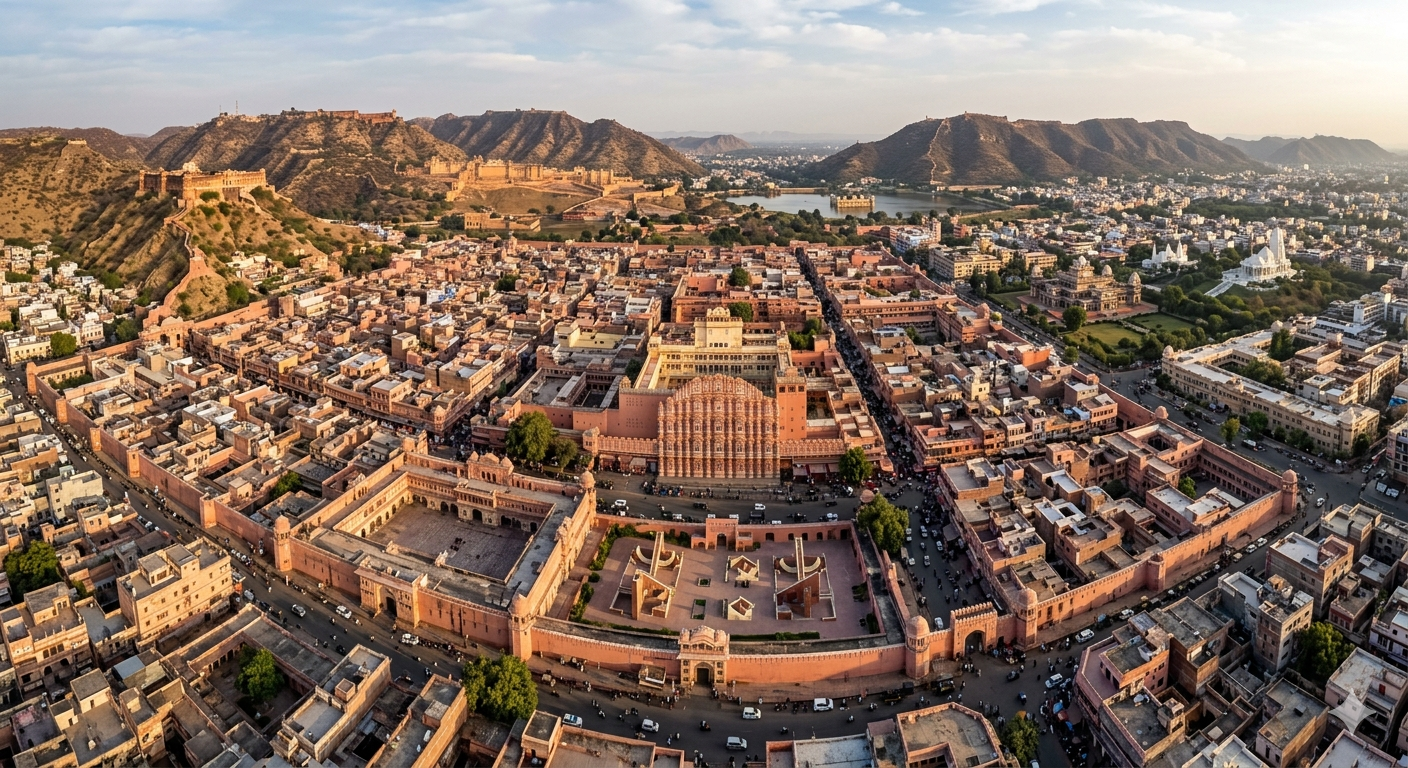
2. Hawa Mahal – The Icon of Jaipur
I had seen Hawa Mahal in countless pictures before, but seeing it in real life was a completely different experience. Standing in front of it, I was genuinely amazed.
Its honeycomb structure with hundreds of small windows (jharokhas) is not just beautiful but also functional—it allowed royal women to observe street life without being seen.
I went inside and climbed up to enjoy a panoramic view of the city. The early morning light hitting the pink sandstone made it look absolutely dreamy.
3. City Palace Jaipur – Living the Royal Life
Visiting City Palace felt like stepping into a royal residence—and in many ways, it still is. A part of it is still home to the royal family.
As I explored the museum sections, I saw royal costumes, ancient weapons, and artistic treasures that told stories of Jaipur’s past. Everything was so well preserved that history felt alive.
One of my favorite spots was the beautifully decorated gates at Pritam Niwas Chowk—perfect for photos and unforgettable memories.
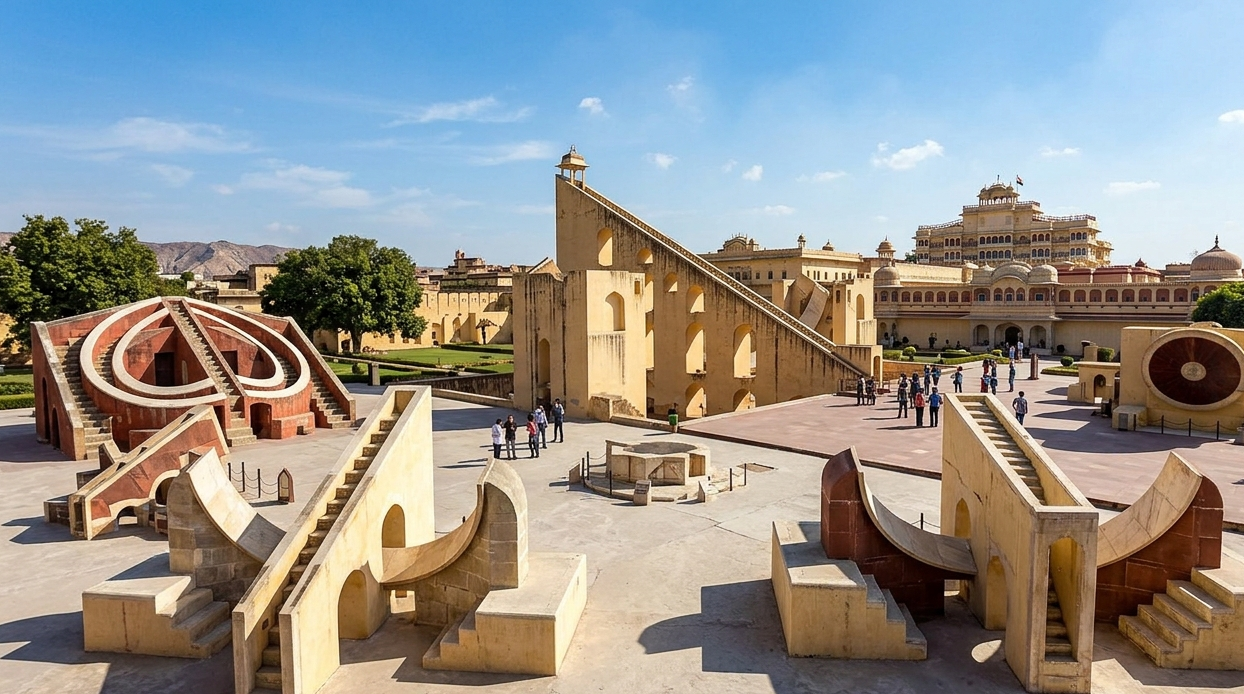
4. Jantar Mantar Jaipur – Where Science Meets History
I’ll be honest—I wasn’t expecting to enjoy Jantar Mantar as much as I did. But it completely surprised me.
This UNESCO World Heritage Site is an astronomical observatory, and it showcases how advanced ancient Indian science was. I took a guided tour, which made all the difference.
Seeing the world’s largest stone sundial and understanding how time and planetary positions were calculated fascinated me. It’s a must-visit if you’re even slightly curious about science or history.
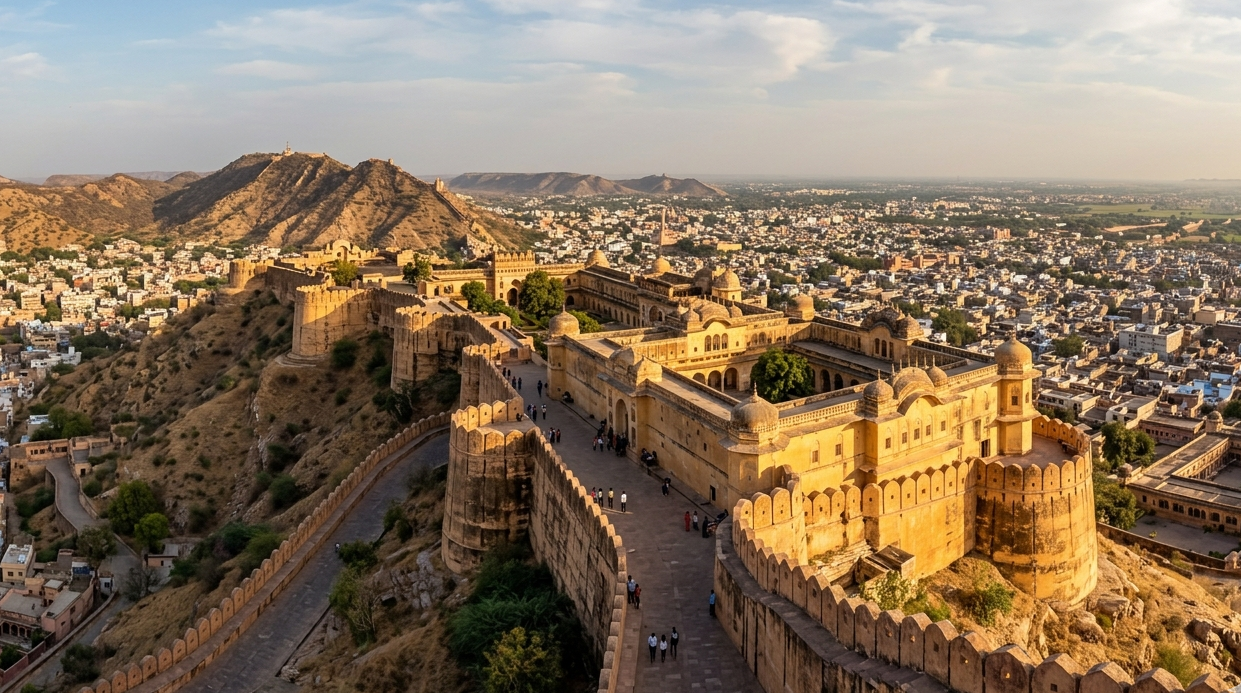
5. Nahargarh Fort – The Best Sunset Spot
Nahargarh Fort quickly became one of my favorite places in Jaipur. I visited it in the evening, and the timing couldn’t have been better.
As the sun began to set, the entire city was bathed in golden light. I sat there for a while, just taking in the view—it was peaceful, calming, and incredibly beautiful.
If you’re someone who enjoys sunsets and scenic views, this is the place to be.
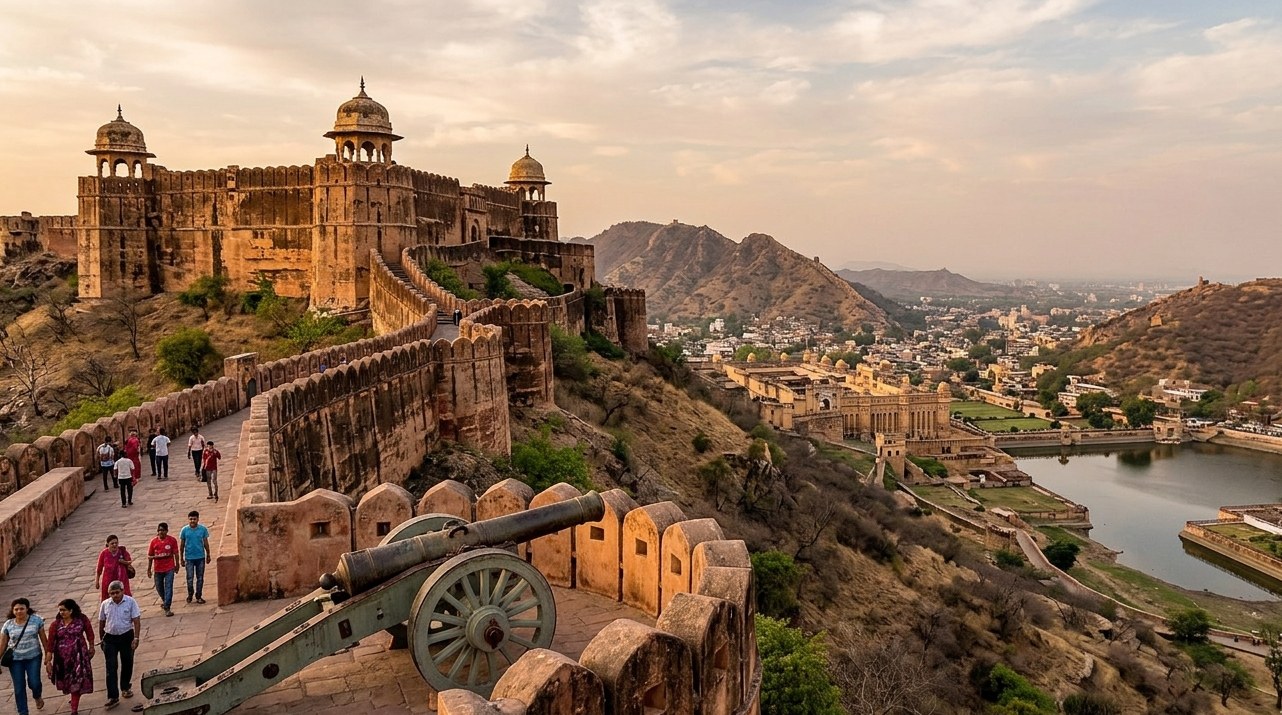
6. Jaigarh Fort – A Symbol of Strength
Jaigarh Fort felt quieter and less crowded, which I personally loved. It stands above Amber Fort and has a strong, rugged character.
One of the main attractions here is the Jaivana Cannon, known as one of the largest cannons on wheels in the world. Standing next to it made me realize the scale of military power in those times.
It’s a great place for those who want to explore history without the crowds.
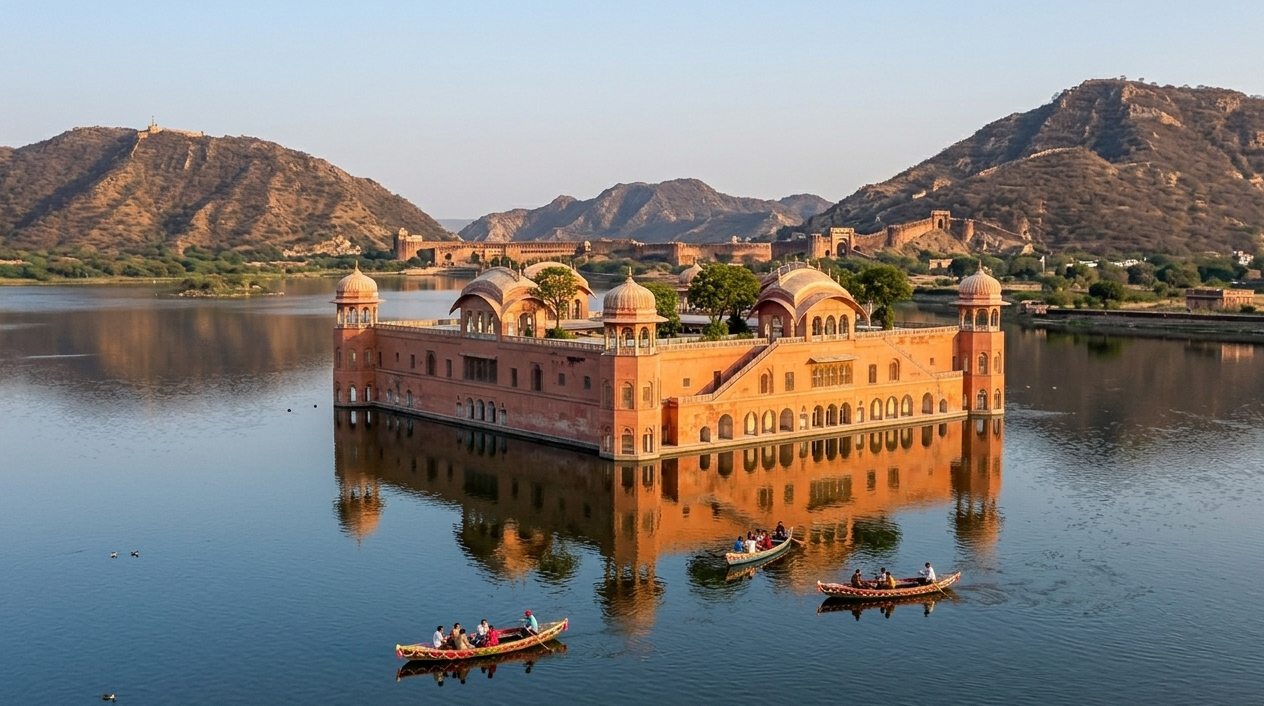
7. Jal Mahal – A Palace in the Water
Jal Mahal is one of the most unique sights I saw in Jaipur. Located in the middle of Man Sagar Lake, it looks incredibly serene and almost surreal.
Although entry inside is restricted, I spent some time by the roadside just admiring its beauty. The reflection of the palace in the water during the evening created a picture-perfect moment.
It’s a must-stop spot, especially for photography lovers.
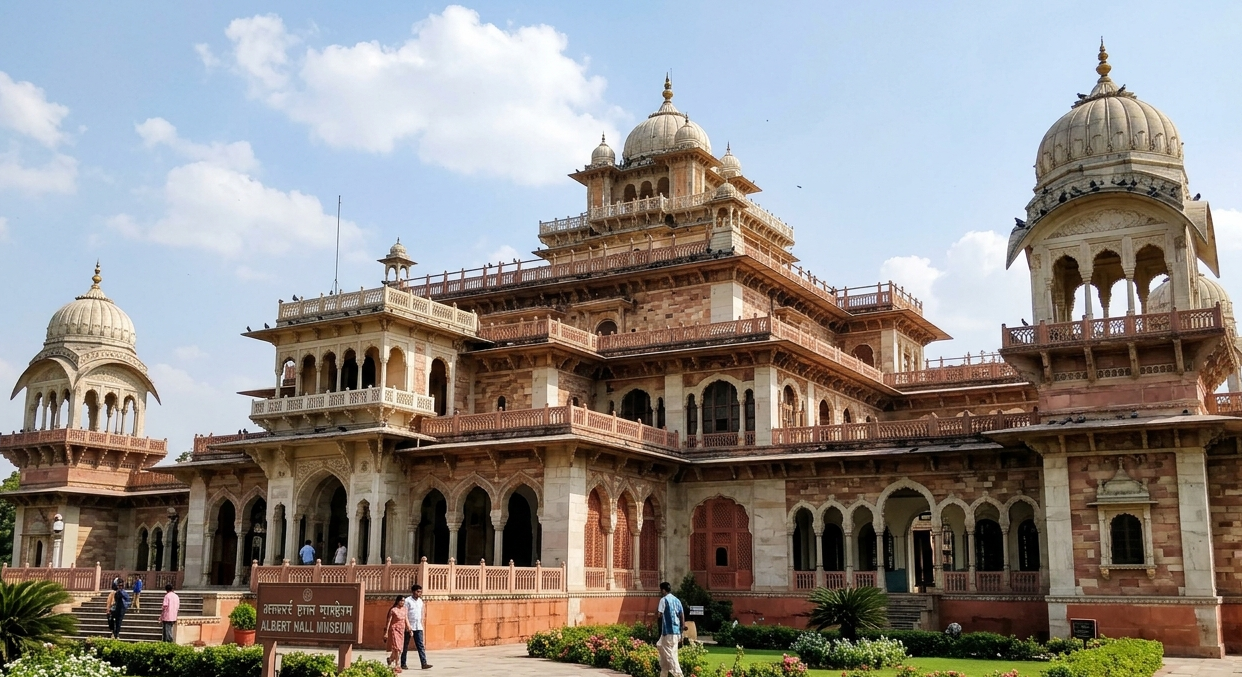
8. Albert Hall Museum – A Cultural Treasure
Albert Hall Museum is the oldest museum in Jaipur, and I was really excited to visit it.
Inside, I explored a wide collection of artifacts—from ancient sculptures to even an Egyptian mummy. The diversity of exhibits made the visit both educational and interesting.
The building itself is stunning, especially when it lights up at night. It’s a great place to understand the cultural depth of Jaipur.
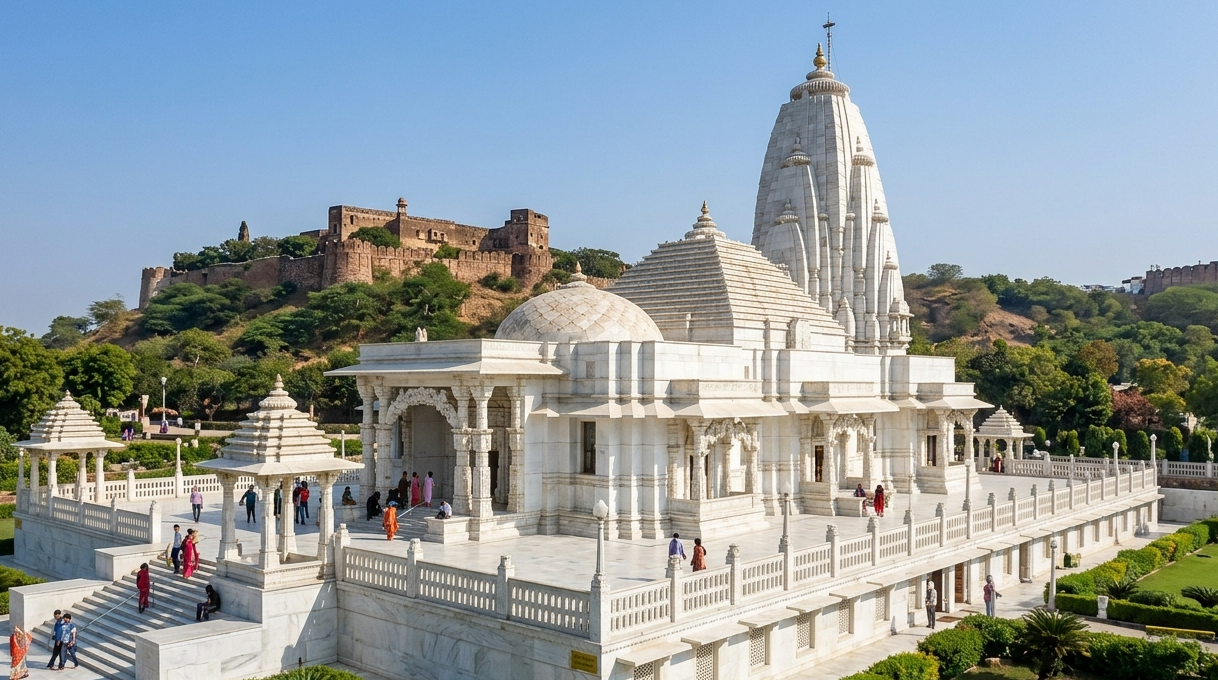
9. Birla Mandir Jaipur – Peace and Serenity
After all the exploring, I wanted a place to relax, and Birla Mandir was perfect for that.
Made entirely of white marble, the temple has a calm and soothing atmosphere. I spent some quiet time there, just sitting and absorbing the peaceful surroundings.
It’s the ideal place to take a break from the city’s hustle and reconnect with yourself.
10. Bapu Bazaar – A Shopper’s Paradise
No trip is complete without shopping, right? Bapu Bazaar was one of the most lively places I visited.
I explored stalls filled with traditional Rajasthani items—mojris, handicrafts, bandhani fabrics, and souvenirs. Bargaining added to the fun, and I ended up buying quite a few things.
If you want to take a piece of Jaipur back home with you, this is the place to visit.
My Final Thoughts
Jaipur is not just a destination—it’s an experience that stays with you long after you leave. Every place I visited had its own story, its own charm, and its own way of making me feel connected to the city.
What I loved most about Jaipur is how beautifully it blends tradition with modern life. One moment I was exploring ancient forts, and the next I was walking through vibrant markets full of life.
If you’re planning your first trip to Rajasthan, I would strongly recommend starting with Jaipur. It has everything—history, culture, beauty, and unforgettable experiences.
And from my personal journey, I can say this with confidence: Jaipur isn’t just a place you visit… it’s a place you feel.
Kashmir, often called “Paradise on Earth,” is one of the most breathtaking regions in India. Nestled in the lap of the Himalayas, it is known for its snow-capped peaks, lush valleys, serene lakes, and rich cultural heritage. Whether you are a nature lover, an adventure enthusiast, or someone seeking tranquility, Kashmir offers a diverse range of experiences. Here is a detailed guide to some of the most beautiful places to visit in Kashmir.
Srinagar – The Heart of Kashmir
The journey to Kashmir usually begins in Srinagar, the summer capital of the region. Known for its enchanting beauty, Srinagar is famous for its lakes, gardens, and traditional houseboats.
One of the most iconic attractions is Dal Lake, where visitors can enjoy a peaceful shikara (boat) ride while admiring floating gardens and vibrant markets. Staying in a houseboat here is a unique experience that reflects the region’s cultural charm.
Another must-visit spot is Mughal Gardens, including Shalimar Bagh, Nishat Bagh, and Chashme Shahi. These gardens, built during the Mughal era, showcase symmetrical layouts, flowing fountains, and stunning views of the surrounding mountains.
Gulmarg – The Meadow of Flowers
Located about 50 kilometers from Srinagar, Gulmarg is a paradise for adventure lovers. Known as the “Meadow of Flowers,” it transforms into a snowy wonderland during winter and a lush green meadow in summer.
Gulmarg is home to the famous Gulmarg Gondola, one of the highest cable cars in the world. It offers breathtaking views of the Himalayan ranges and is a major attraction for tourists.
In winter, Gulmarg becomes a hub for skiing and snowboarding, attracting enthusiasts from around the world. During summer, visitors can enjoy trekking, golfing, and nature walks amidst vibrant wildflowers.
Pahalgam – A Tranquil Retreat
Situated along the banks of the Lidder River, Pahalgam is known for its serene landscapes and peaceful environment. It serves as a base camp for the annual Amarnath Yatra pilgrimage.
Some popular attractions in Pahalgam include Betaab Valley, named after a Bollywood movie, and Aru Valley, known for its lush meadows and snow-capped peaks.
Pahalgam is ideal for activities such as trekking, horse riding, and camping. The scenic beauty and calm atmosphere make it a perfect getaway for those seeking relaxation.
Sonamarg – The Meadow of Gold
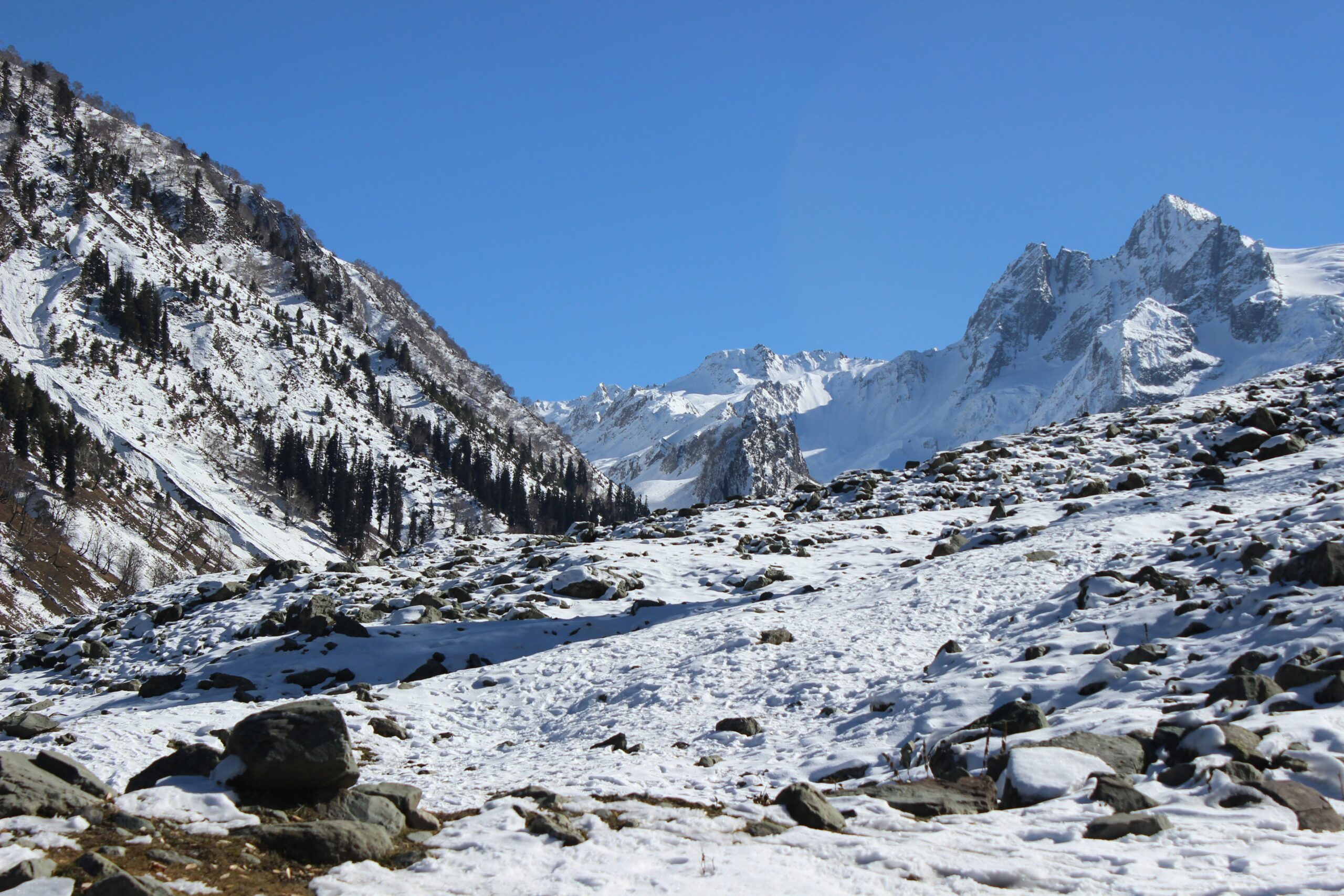
Sonamarg, meaning “Meadow of Gold,” is another stunning destination in Kashmir. Surrounded by towering glaciers and alpine meadows, it offers some of the most picturesque views in the region.
One of the main attractions here is the Thajiwas Glacier, which remains snow-covered for most of the year. Visitors can enjoy activities like sledding, trekking, and photography.
Sonamarg also serves as a gateway to the famous Ladakh region, making it an important stop for travelers heading towards high-altitude adventures.
Leh-Ladakh – A Land of High Passes
Although technically part of a separate administrative region, Leh is often included in Kashmir travel itineraries. Known for its stark landscapes, monasteries, and high mountain passes, Leh offers a completely different experience compared to the lush valleys of Kashmir.
Key attractions include Pangong Lake, famous for its changing colors, and Nubra Valley, known for its sand dunes and double-humped camels.
Leh is ideal for adventure seekers interested in biking, trekking, and exploring Buddhist culture.
Kupwara – The Hidden Gem
For those looking to explore offbeat destinations, Kupwara is a perfect choice. Known for its untouched beauty, Kupwara is often referred to as the crown of Kashmir.
Places like Lolab Valley and Bangus Valley offer pristine landscapes, dense forests, and an opportunity to experience nature in its purest form. It is less crowded, making it ideal for travelers seeking solitude.
Yusmarg – A Peaceful Escape
Yusmarg is a lesser-known destination that offers breathtaking views of meadows and snow-clad mountains. It is perfect for picnics, short treks, and relaxing amidst nature.
The calm environment and scenic beauty make Yusmarg an excellent alternative to more crowded tourist spots.
Dachigam National Park – A Wildlife Haven
Nature and wildlife enthusiasts should not miss Dachigam National Park. It is home to the endangered Hangul (Kashmir stag) and a variety of other wildlife species.
The park offers opportunities for trekking, birdwatching, and photography. Its diverse flora and fauna make it a significant ecological destination in the region.
Pulwama – The Rice Bowl of Kashmir
Pulwama is known for its scenic landscapes, saffron fields, and natural springs. Often referred to as the “Rice Bowl of Kashmir,” it offers a glimpse into the agricultural richness of the region.
Attractions include Aharbal Waterfall, often called the “Niagara Falls of Kashmir,” and the beautiful Tarsar and Marsar lakes, which are popular among trekkers.
Best Time to Visit Kashmir
Kashmir is a year-round destination, with each season offering a unique experience. Spring (March to May) brings blooming flowers and pleasant weather. Summer (June to August) is ideal for sightseeing and outdoor activities. Autumn (September to November) paints the region in shades of gold and red, while winter (December to February) transforms it into a snowy paradise perfect for winter sports.
Cultural and Culinary Experiences
Apart from its natural beauty, Kashmir is rich in culture and traditions. Visitors can explore local handicrafts such as Pashmina shawls, carpets, and wooden carvings.
Kashmiri cuisine is another highlight, with dishes like Rogan Josh, Yakhni, and the traditional Wazwan feast offering a delightful culinary experience.
Conclusion
Kashmir is more than just a travel destination; it is an experience that captivates the soul. From the serene waters of Dal Lake to the adventurous slopes of Gulmarg and the tranquil valleys of Pahalgam, every corner of Kashmir has something unique to offer.
Whether you are planning a relaxing vacation or an adventurous journey, Kashmir promises unforgettable memories. Its unmatched beauty, warm hospitality, and diverse attractions make it a must-visit destination for travelers from around the world.
Whenever I think about hill stations in India, Shimla instantly comes to my mind. Nestled in the lap of the Himalayas, this charming destination has always felt like a perfect mix of colonial elegance, natural beauty, and lively culture. Over time, I’ve explored many corners of this beautiful hill town, and through my experiences, I’ve come to know the top places that truly define Shimla.
In this article, I’ll take you through the top 10 places to visit in Shimla—not just as a list, but as places I’ve personally understood, felt, and admired.
1. The Ridge – The Heartbeat of Shimla
Whenever I reach Shimla, my first instinct is to head straight to The Ridge. To me, this is the soul of the city. It’s a wide open space where the entire town seems to come alive. I’ve spent countless evenings here just soaking in the panoramic views of the mountains and watching the changing colors of the sky.
What makes this place special for me is its atmosphere—it’s lively yet peaceful. Surrounded by colonial buildings and offering stunning views of the Himalayas, The Ridge is truly iconic and central to Shimla’s identity.
2. Mall Road – Where Shimla Breathes
Just below The Ridge lies Mall Road, and honestly, I believe no visit to Shimla is complete without walking here. Every time I stroll along this bustling street, I feel connected to the local culture.
From cozy cafés to handicraft shops, Mall Road offers everything. I often stop for a cup of tea or simply enjoy people-watching. The energy here, especially in the evening, is something I always look forward to. It’s more than a street—it’s an experience.
3. Christ Church – A Symbol of Timeless Beauty
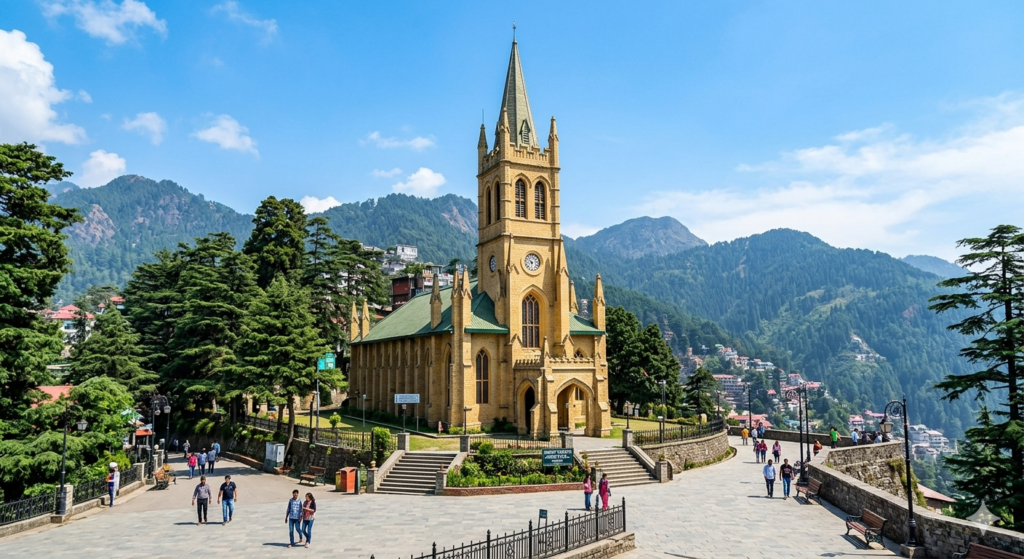
Standing tall near The Ridge, Christ Church is one of those places I always admire, no matter how many times I visit. Its neo-Gothic architecture and stained glass windows give it a timeless charm.
I like stepping inside for a moment of silence—it feels calm and reflective. Knowing that it is one of the oldest churches in North India adds to its historical significance and makes the visit even more meaningful.
4. Jakhoo Hill – A View from the Top
Whenever I want to see Shimla from above, I head to Jakhoo Hill. It’s the highest point in the city, and the views from here are simply breathtaking.
At the top, I visit the Jakhoo Temple, which houses a massive statue of Lord Hanuman. The climb can be a bit steep, but for me, the panoramic scenery and spiritual vibe make it completely worth it.
5. Kufri – Adventure and Snow
Whenever I feel like adding a bit of adventure to my trip, I head to Kufri. Located just a short drive from Shimla, this place has always been my go-to for outdoor fun.
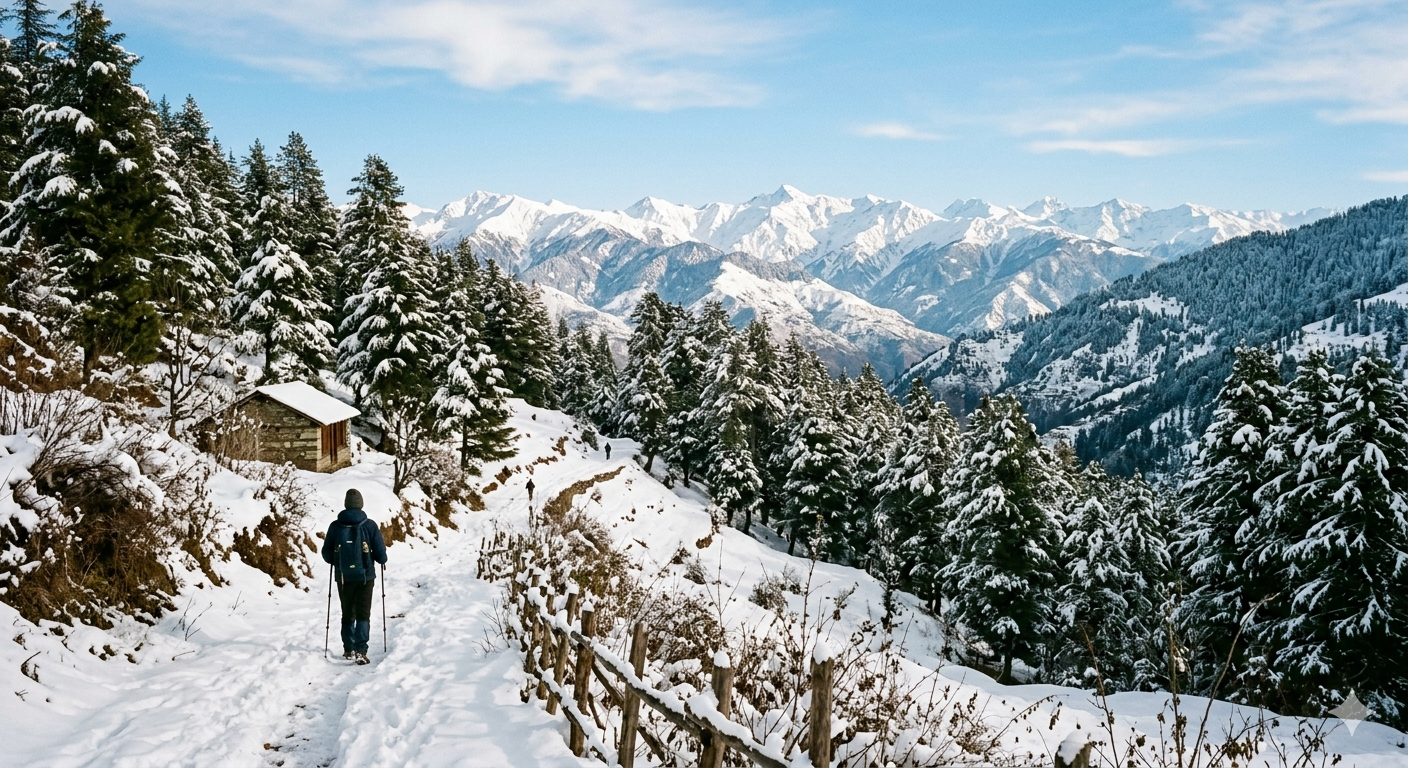
In winter, I’ve enjoyed the snow and skiing here, while in summer, the greenery and scenic trails are equally refreshing. Kufri is one of those places where I can switch from relaxation to adventure in no time.
6. Viceregal Lodge – A Walk Through History
Every time I visit the Viceregal Lodge, I feel like I’m stepping back into history. This grand building, surrounded by lush greenery, once served as the residence of the British Viceroy.
Today, it houses the Indian Institute of Advanced Study, and I love exploring its architecture and peaceful surroundings. The place reflects Shimla’s colonial past beautifully and gives me a deeper understanding of its heritage.
7. Green Valley – Nature at Its Best
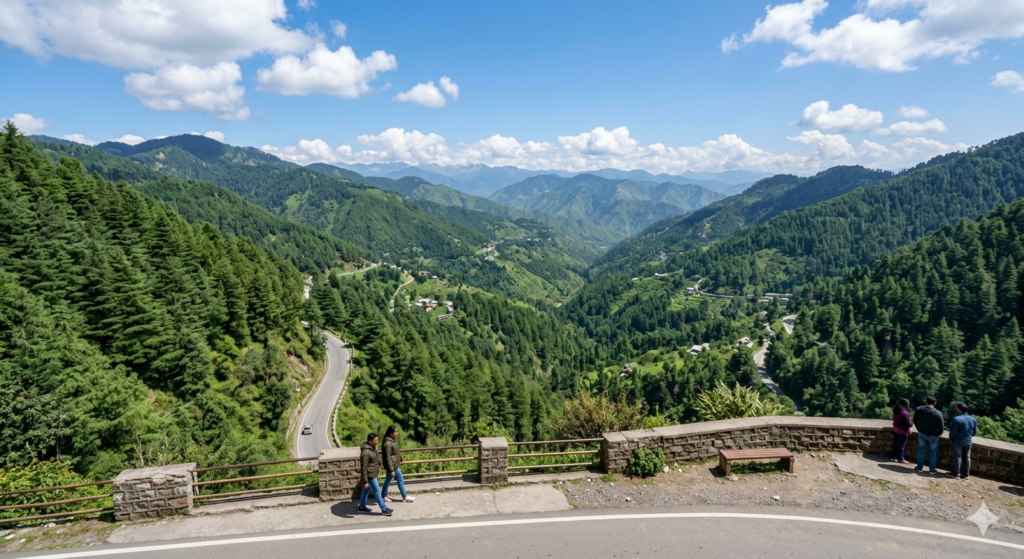
Green Valley is one of those places where I simply pause and admire nature. Surrounded by dense forests and rolling hills, it offers a view that feels almost unreal.
Whenever I pass through this area, I make sure to stop for a few minutes. The fresh air, greenery, and quiet surroundings make it one of my favorite scenic spots in Shimla.
8. Tara Devi Temple – Peace and Spirituality
When I want a break from the busy parts of Shimla, I visit Tara Devi Temple. Located on a hilltop, this place offers both spiritual peace and beautiful views.
The journey to the temple itself feels refreshing, and once I reach the top, the calm atmosphere instantly relaxes me. It’s one of those places where I feel completely disconnected from the chaos of daily life.
9. Chadwick Falls – A Hidden Natural Gem
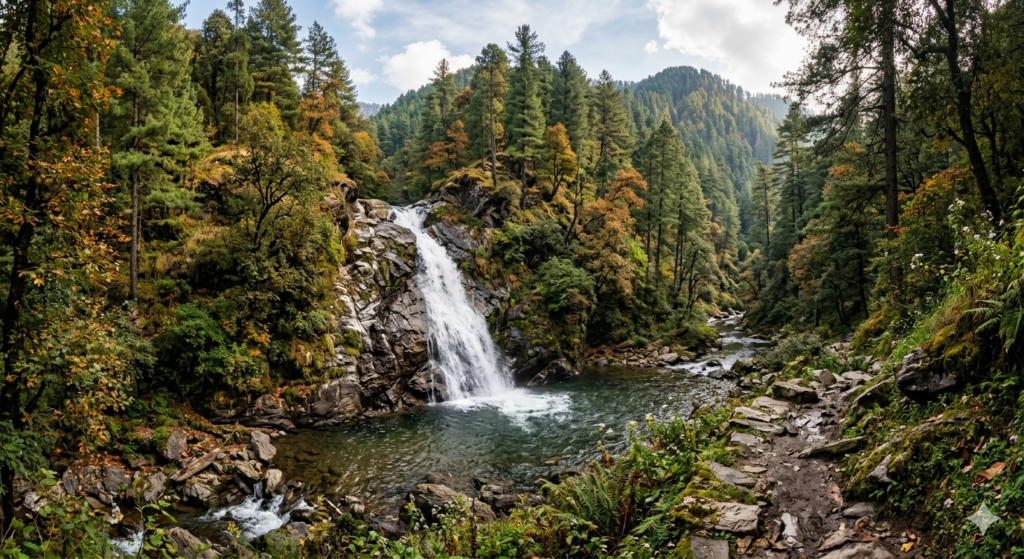
Chadwick Falls is one of the lesser-known places I’ve explored in Shimla, but it has left a lasting impression on me. Surrounded by dense forests, the waterfall cascades beautifully, especially during the monsoon.
Whenever I visit, I feel like I’ve discovered a secret corner of nature. It’s quiet, refreshing, and perfect for anyone who enjoys peaceful surroundings.
10. Summer Hill – Serenity in Simplicity
Summer Hill is where I go when I want to experience a quieter side of Shimla. Unlike the bustling Mall Road, this place feels calm and untouched.
I enjoy taking slow walks here, surrounded by greenery and colonial-era charm. It’s a reminder that Shimla isn’t just about popular tourist spots—it’s also about peaceful moments and simple beauty.
complete travel guide to Shimla.
My Final Thoughts on Shimla
From my experiences, Shimla is not just a destination—it’s a feeling. It combines history, nature, culture, and adventure in a way that very few places can. Whether I’m walking on Mall Road, enjoying the views from The Ridge, or finding peace at Tara Devi Temple, every moment here feels special.
What I’ve learned is that Shimla is best explored slowly. It’s not about rushing through places but about enjoying each view, each street, and each experience.
With its blend of colonial charm, scenic beauty, and vibrant local life, Shimla truly lives up to its title as the “Queen of Hills.”
If you’re planning a trip, these ten places are the ones I always recommend—not just because they’re famous, but because they capture the true essence of Shimla as I’ve come to know it.
Idli is not just a dish—it’s an emotion in Indian households. Soft, fluffy, and incredibly light on the stomach, idli has been a breakfast staple for generations. As someone who has spent years mastering traditional cooking techniques, I can confidently say that making perfect idlis is both an art and a science. While it may seem simple, achieving that cloud-like softness requires attention to detail, patience, and the right technique.
In this detailed guide, I’ll walk you through every step of making authentic, restaurant-quality idlis at home—from selecting ingredients to fermentation, grinding, and steaming. By the end of this article, you’ll not only know how to make idli but also understand why each step matters.
Understanding Idli: The Basics
Idli is a steamed savory cake made from a fermented batter of rice and urad dal (split black gram). Originating from South India, it is known for its nutritional value, easy digestibility, and minimal oil usage.
What makes idli special is fermentation. This natural process not only enhances flavor but also improves digestion and increases nutrient absorption.
Ingredients Required
To make traditional idli, you need just a few ingredients:
2 cups idli rice (or parboiled rice)
1 cup urad dal (skinned black gram)
1 teaspoon fenugreek seeds (methi)
Salt to taste
Water as needed
That’s it. No baking soda, no yeast—just natural fermentation.
Choosing the Right Ingredients
The quality of your idli depends heavily on your ingredients.
Rice
Use idli rice or parboiled rice. Regular basmati or raw rice won’t give the same texture. Idli rice has the right starch content that helps in fermentation and softness.
Urad Dal
Always use fresh, good-quality urad dal. Old dal doesn’t ferment well and results in dense idlis.
Fenugreek Seeds
These tiny seeds play a big role. They enhance fermentation and add a subtle flavor. They also help in giving idlis a soft texture.
Step 1: Washing and Soaking
Start by washing rice and urad dal separately.
Wash rice 3–4 times until water runs clear.
Wash urad dal thoroughly.
Add fenugreek seeds to the urad dal.
Soaking Time
Rice: 4–6 hours
Urad dal: 4 hours
Soaking softens the grains and makes grinding easier. Never skip this step.
Step 2: Grinding the Batter
Grinding is one of the most crucial steps.
Traditional Method (Stone Grinder)
If you have access to a wet grinder, use it. It produces the best texture.
Modern Method (Mixer Grinder)
A mixer works fine, but you need to be careful not to overheat the batter.
Grinding Urad Dal
Drain water from soaked dal.
Grind with minimal water.
Aim for a smooth, fluffy batter.
This batter should be light and airy. When you take some in your hand, it should feel soft and slightly frothy.
Grinding Rice
Grind rice separately.
Keep it slightly coarse—not too smooth.
The slight graininess helps in structure and texture.
Mixing the Batter
Combine both batters in a large bowl.
Add salt (optional before fermentation; some prefer adding later)
Mix thoroughly using your hand
Why use your hand? The natural bacteria from your skin help kickstart fermentation.
Step 3: Fermentation – The Heart of Idli
Fermentation is where the magic happens.
Ideal Conditions
Temperature: 25–32°C
Time: 8–12 hours
In warm climates, fermentation happens faster. In colder regions, you may need extra time.
Signs of Perfect Fermentation
Batter doubles in volume
Slight sour aroma
Light and airy texture
Do not over-ferment, as it can make idlis sour and flat.
Pro Tip for Cold Weather
If you live in a cold area:
Keep batter in an oven with light on
Wrap the container in a cloth
Place near a warm spot
Step 4: Preparing for Steaming
Before steaming:
Grease idli molds with oil
Gently mix the batter (do not overmix)
Pour batter into molds
Fill each mold about 80%, allowing room for expansion.
Step 5: Steaming the Idlis
Use an idli steamer or pressure cooker (without whistle).
Steps:
Add water to the steamer
Bring water to a boil
Place idli stand inside
Steam for 10–12 minutes
How to Check If Idli is Done
Insert a toothpick or knife:
If it comes out clean, idli is ready
Avoid overcooking—it makes idlis dry.
Step 6: Removing Idlis
Let idlis cool for 2–3 minutes before removing.
Use a spoon dipped in water to scoop them out easily.
Serving Suggestions
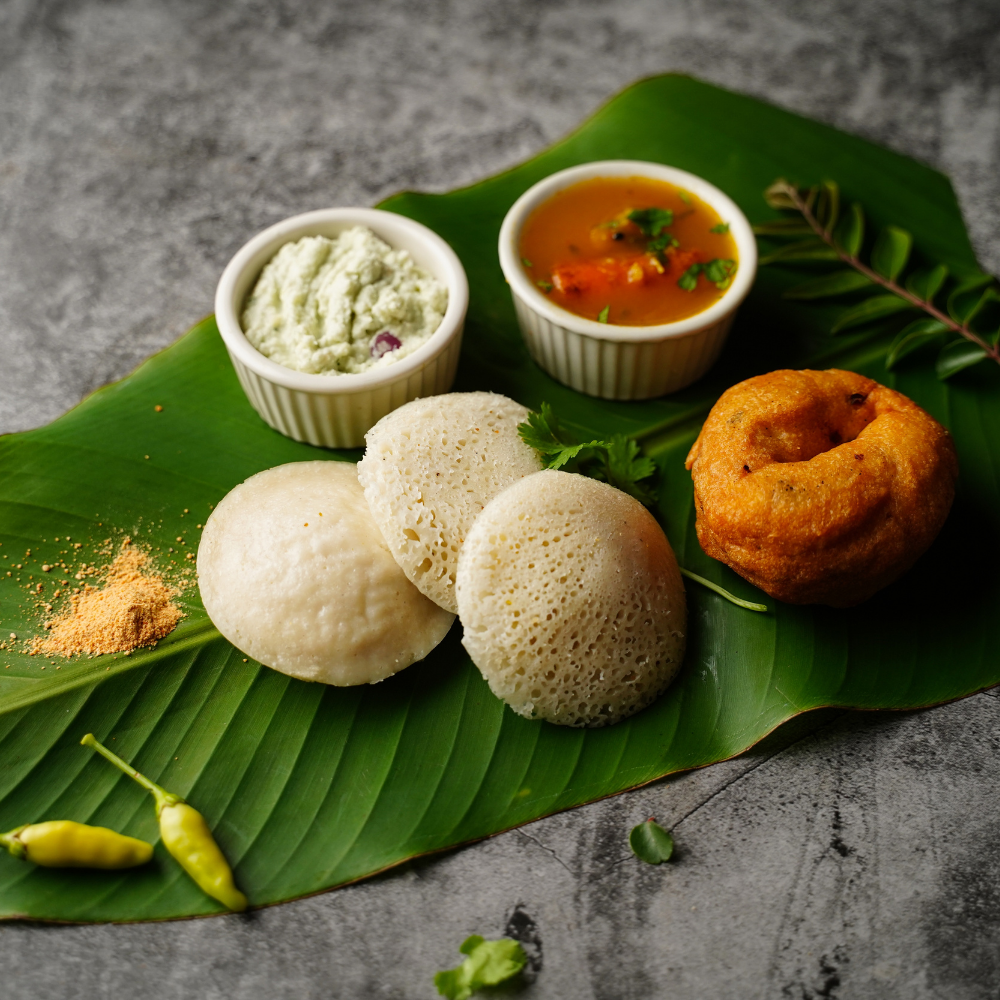
Idli is best served hot with:
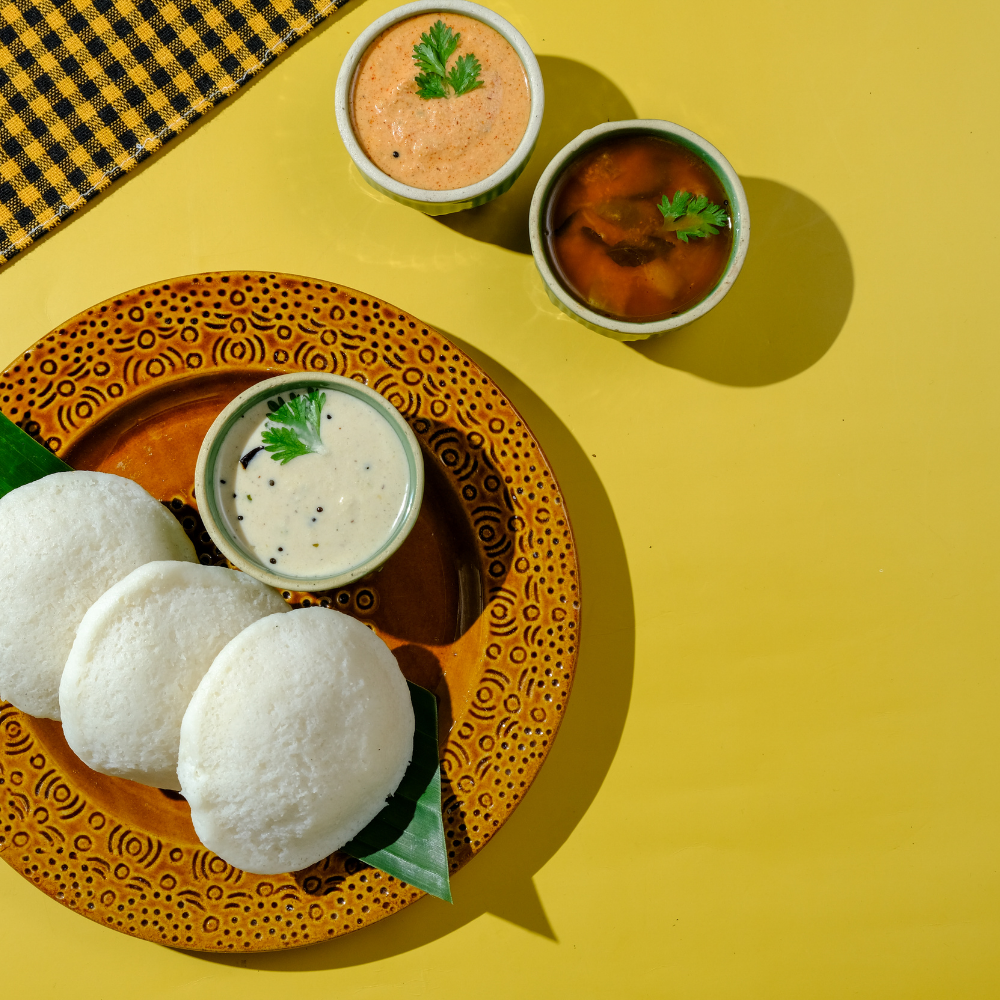
Coconut chutney
Sambar
Tomato chutney
Gunpowder (podi) with ghee
Common Mistakes and How to Avoid Them
1. Hard Idlis
Cause: Poor fermentation or thick batter Solution: Ensure proper fermentation and correct batter consistency
2. Flat Idlis
Cause: Over-fermented batter Solution: Reduce fermentation time
3. Sticky Idlis
Cause: Too much water in batter Solution: Maintain thick, pourable consistency
4. Yellowish Idlis
Cause: Old urad dal Solution: Always use fresh dal
Expert Tips for Perfect Idlis
Use cold water while grinding to avoid overheating
Always grind urad dal first, then rice
Batter should be thick but pourable
Do not disturb batter too much after fermentation
Steam on medium heat—not high flame
Variations You Can Try
Once you master basic idli, experiment with variations:
Rava Idli
Made with semolina instead of rice—nofermentation required.
Vegetable Idli
Add grated carrots, beans, or peas to batter.
Kanchipuram Idli
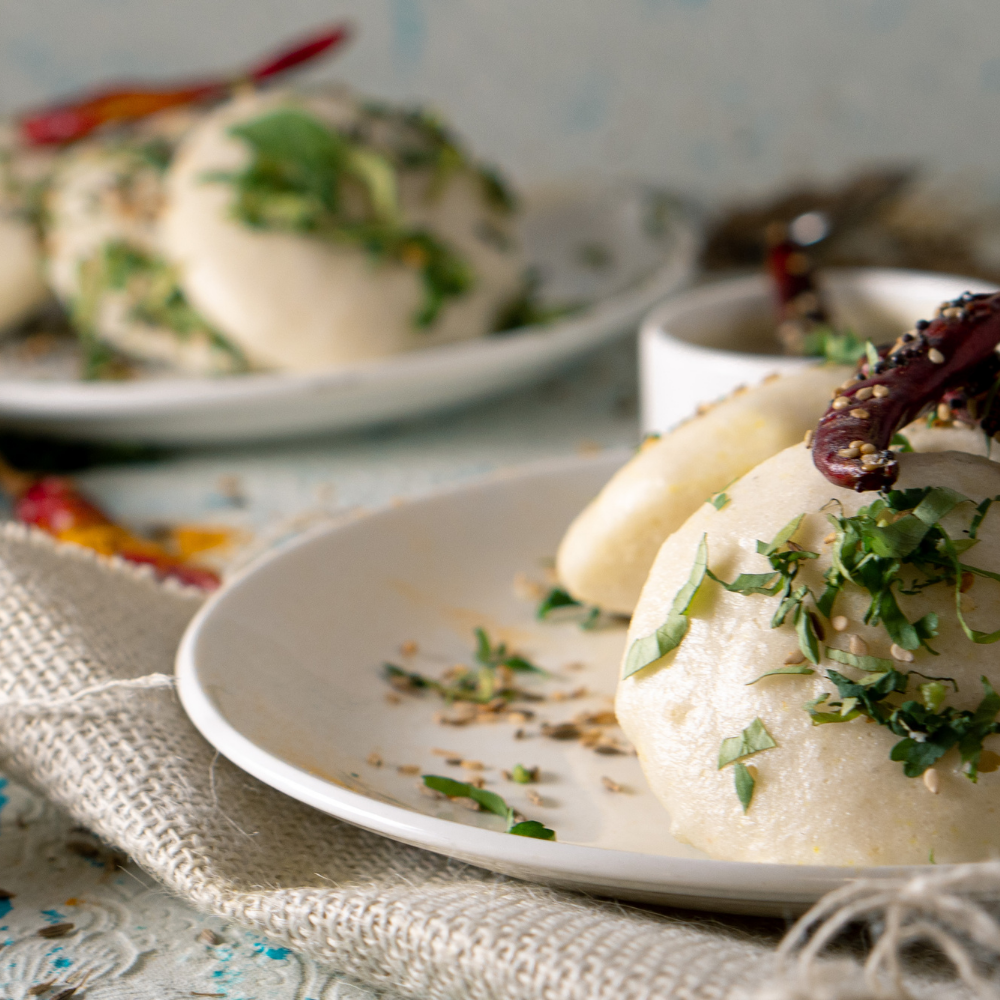
Spiced version with pepper, cumin, and curry leaves.
Millet Idli
Healthier alternative using millets instead of rice.
Nutritional Benefits of Idli
Idli is one of the healthiest breakfast options:
Low in calories
Rich in protein
Easily digestible
Fermented (good for gut health)
Gluten-free
Perfect for all age groups—from kids to elderly.
Why Idli is Perfect for Daily Diet
In my professional experience, idli stands out because it is:
Light yet filling
Oil-free
Quick to digest
Suitable for weight management
It provides sustained energy without heaviness.
Final Thoughts
Making perfect idli is not difficult—it just requires understanding the process. Once you get the basics right, it becomes second nature.
As a chef, I always say: Respect the fermentation. That’s the soul of idli. Everything else is just technique.
The beauty of idli lies in its simplicity. With just rice, dal, and patience, you can create something incredibly nourishing and delicious.
So the next time you prepare idli, don’t rush. Enjoy the process—from soaking to steaming. Because great food is not just about taste—it’s about the care you put into it.
Dubai rarely reveals itself fully on a first visit. It’s a city many travelers initially reduce to extremes—luxury, skyscrapers, and spectacle—but with experience comes the ability to read between those layers. If you’ve spent years traveling, you’ll recognize that the real value of a destination lies not just in what it shows you, but in what it quietly allows you to discover. Dubai, when approached with that mindset, becomes far more than a checklist. It becomes a study in transformation, ambition, and cultural coexistence.
Here’s a deeper, experience-driven look at the top 10 places to visit in Dubai—crafted for someone who knows how to travel, not just visit.
1. Burj Khalifa
It’s tempting to dismiss globally famous landmarks as overhyped, but the Burj Khalifa earns its reputation. The key is how you experience it. Skip the midday rush and aim for either sunrise or late evening. At dawn, the city feels almost contemplative, with soft light stretching over desert and steel. At night, the skyline becomes a constellation of ambition. What stands out isn’t just the height—it’s the statement. For a seasoned traveler, this isn’t just a view; it’s a lens into Dubai’s psychology: bold, unapologetic, and future-facing.
2. Al Fahidi Historical Neighborhood
If the Burj Khalifa shows you Dubai’s future, Al Fahidi tells you where it began. Walking through its narrow lanes feels like stepping into a preserved memory. The wind towers, coral-stone buildings, and quiet courtyards reveal a time when survival depended on ingenuity rather than excess. Spend time in its art spaces and small museums, including the Dubai Museum, to understand the city before oil reshaped it. This is where experienced travelers linger—not for photos, but for context.
3. Dubai Creek
Cities often grow around water, and Dubai is no exception. The creek remains one of the most authentic parts of the city. Take an abra ride across its waters and you’ll witness a daily rhythm that feels far removed from luxury branding. Traders, workers, and locals still rely on this route. The nearby souks—especially the spice and gold markets—are chaotic, aromatic, and refreshingly unpolished. For someone who has traveled widely, this is where Dubai feels most honest.
4. Jumeirah Mosque
Cultural access is often limited in many destinations, but Jumeirah Mosque offers a rare opportunity for meaningful engagement. The guided tours here are not rushed or superficial—they’re designed for dialogue. You can ask questions, challenge assumptions, and gain insight into Islamic traditions in a respectful environment. For experienced travelers who value understanding over observation, this is one of the most rewarding stops in Dubai.
5. Dubai Desert Conservation Reserve
Deserts can feel repetitive if you’ve visited many, but this reserve reframes the experience. Instead of adrenaline-heavy tourism, it emphasizes ecology and preservation. The silence here is striking—something you rarely encounter in Dubai. Watching native wildlife like the Arabian oryx move through the dunes adds a layer of depth that typical desert safaris often miss. It’s less about thrill and more about
connection.
6. Dubai Marina
At first glance, Dubai Marina might feel like a polished, globalized waterfront similar to others around the world. But spend time walking its length and you’ll notice how Dubai integrates international influences into its identity. The architecture, dining scene, and social life create a microcosm of the city’s diversity. A nighttime stroll here, when the buildings reflect off the water, offers a surprisingly reflective experience—less about luxury, more about atmosphere.
7. Palm Jumeirah
Artificial islands aren’t unique to Dubai anymore, but Palm Jumeirah remains one of the most ambitious examples of human engineering. It’s easy to reduce it to a photo opportunity, but there’s value in observing its scale and design. Ride the monorail, explore quieter beaches, and consider what it represents—a city reshaping geography itself. For a seasoned traveler, it raises questions about sustainability, innovation, and the future of urban development.
8. The Dubai Mall
Calling it a mall feels reductive. This is more of an urban ecosystem. While it’s undeniably commercial, it also reflects Dubai’s approach to experience design—everything is amplified. Inside, you’ll find an aquarium, art installations, and entertainment zones that go far beyond retail. The trick is not to approach it as a shopping trip but as a cultural observation point. Watch how people interact with the space; it tells you a lot about modern Dubai.
9. Global Village
Global Village can feel theatrical, even artificial at times, but that’s part of its appeal. It’s a curated celebration of cultures from around the world, condensed into one space. Food stalls, performances, and handicrafts create an environment that’s both entertaining and thought-provoking. For an experienced traveler, it’s less about authenticity and more about how cultures are represented and consumed in a globalized city.
10. Hatta
Dubai’s urban intensity can be overwhelming, which is why Hatta feels like such a necessary escape. Located in the Hajar Mountains, it offers rugged landscapes, fresh air, and a slower pace. Whether you’re kayaking in the dam or hiking through rocky trails, the experience contrasts sharply with the city’s polished image. The journey itself is revealing—watching the skyline fade into mountains reminds you how diverse this region truly is.
Closing Perspective
Dubai is often misunderstood because it’s easy to experience it superficially. If you only engage with its luxury and spectacle, it can feel hollow. But as an experienced traveler, you already know that every destination has layers—and Dubai is no exception.
What makes it compelling isn’t just its landmarks, but its contradictions. It’s a place where tradition coexists with ambition, where heritage sits beside innovation, and where global influences merge into something uniquely its own.
The real challenge—and reward—is in how you choose to explore it. If you slow down, ask questions, and look beyond the obvious, Dubai transforms from a flashy destination into a meaningful one.
Puducherry, often affectionately called Pondicherry, is a coastal gem on the southeastern shore of Tamil Nadu. Once a French colonial settlement, this charming Union Territory blends European elegance with South Indian culture in a way few places in India can match. From sunlit promenades and pastel-colored streets to serene ashrams and golden beaches, Puducherry offers an experience that is both culturally rich and deeply relaxing.
This article explores the top places to visit in Puducherry, highlighting the unique character, history, and atmosphere that make each destination special.
1. Promenade Beach: The Heart of Puducherry
No visit to Puducherry is complete without spending time at Promenade Beach. Stretching along the Bay of Bengal, this scenic walkway is one of the most popular attractions in the city.
Unlike typical sandy beaches, Promenade Beach is known for its rocky shoreline and well-maintained promenade. Early mornings here are peaceful, with locals practicing yoga, jogging, or simply enjoying the sea breeze. By evening, the area comes alive with street performers, food vendors, and families gathering to unwind.
The beach is also home to several iconic landmarks, including the statue of Mahatma Gandhi and the French War Memorial, adding a historical dimension to your visit.
2. White Town: A Slice of France in India
One of the most captivating areas in Puducherry is White Town, also known as the French Quarter. This neighborhood is famous for its colonial architecture, tree-lined streets, and vibrant bougainvillea-covered walls.
Walking through White Town feels like stepping into a European village. The streets are dotted with charming cafes, boutique hotels, and art galleries. The buildings, painted in soft hues of yellow, white, and pastel shades, reflect the city’s French heritage.
This area is perfect for leisurely strolls, photography, and café hopping. It’s also where you’ll find some of the best dining experiences in Puducherry, blending French and Indian cuisines seamlessly.
3. Sri Aurobindo Ashram: A Spiritual Sanctuary
At the heart of Puducherry’s spiritual identity lies the Sri Aurobindo Ashram. Founded by the philosopher and spiritual leader Sri Aurobindo, along with Mirra Alfassa, the ashram is a place of quiet reflection and inner peace.
Visitors from around the world come here to meditate and experience the tranquil environment. The ashram maintains a strict atmosphere of silence, encouraging mindfulness and introspection.
The central courtyard, where the samadhi (resting place) of Sri Aurobindo and The Mother is located, is adorned with flowers and serves as a focal point for meditation.
4. Auroville: The City of Universal Living
A short drive from Puducherry takes you to Auroville, an experimental township dedicated to human unity and sustainable living.
Founded in 1968, Auroville brings together people from different countries and cultures who live in harmony, focusing on spiritual growth and community development. The most iconic structure here is the Matrimandir, a golden spherical meditation center surrounded by lush gardens.
While entry into the inner chamber requires prior permission, visitors can explore the viewing point, visitor center, and surrounding areas. Auroville also features eco-friendly cafes, handmade crafts, and workshops that reflect its sustainable ethos.
5. Paradise Beach: A Tropical Escape
Accessible primarily by boat, Paradise Beach lives up to its name with its pristine sands and clear waters.
Located near the Chunnambar Boat House, this beach offers a more secluded and serene environment compared to the city’s main beaches. The journey itself—through backwaters and mangroves—adds to the experience.
Visitors can relax under shaded huts, enjoy beachside snacks, or take part in water activities. The clean surroundings and relatively less crowd make it an ideal spot for those seeking tranquility.
6. Serenity Beach: For Surf and Solitude
If you’re looking for a quieter coastal experience, Serenity Beach is a great choice. Known for its golden sands and gentle waves, it is particularly popular among surfers.
The beach offers a laid-back vibe, making it perfect for reading, sunbathing, or simply enjoying the rhythmic sound of the waves. Early mornings are especially beautiful, with fishermen heading out to sea and the sun rising over the horizon.
Nearby, small cafes and surf schools add to the charm of this peaceful destination.
7. Basilica of the Sacred Heart of Jesus: Architectural Grandeur
A visit to Basilica of the Sacred Heart of Jesus is a must for those interested in history and architecture.
This stunning church, built in the Gothic style, features intricate stained-glass windows depicting scenes from the life of Christ. The tall spires and detailed design make it one of the most beautiful churches in India.
The peaceful ambiance inside the basilica offers a quiet retreat from the bustling streets outside, regardless of one’s religious beliefs.
History enthusiasts will find Arikamedu particularly fascinating. This archaeological site was once a thriving Indo-Roman trading port dating back to the early centuries AD.
Excavations here have revealed artifacts such as Roman pottery, beads, and coins, highlighting the region’s ancient trade connections. Walking through the site, you can almost imagine the bustling port that once stood here.
Though not as visually grand as other attractions, Arikamedu offers a unique perspective on Puducherry’s historical significance.
9. Chunnambar Boat House: Gateway to Backwaters
Located a few kilometers from the city, Chunnambar Boat House is a popular spot for boating and picnics.
From here, visitors can take boat rides through lush mangrove forests and calm backwaters, eventually reaching Paradise Beach. The experience is both relaxing and scenic, offering a different side of Puducherry’s natural beauty.
Facilities like restaurants, play areas, and seating spaces make it a family-friendly destination.
10. French War Memorial: Honoring History
Situated along Promenade Beach, the French War Memorial stands as a tribute to the soldiers who lost their lives during World War I.
The memorial is especially striking when illuminated in the evening. Every year on Bastille Day, it becomes the center of commemorative events, reflecting the enduring French influence in Puducherry.
11. Pondicherry Museum: A Cultural Treasure Trove
To delve deeper into the region’s past, visit the Pondicherry Museum. The museum houses an impressive collection of artifacts, including sculptures from the Chola and Pallava periods, colonial furniture, and archaeological finds from Arikamedu.
It provides valuable insights into the cultural and historical evolution of Puducherry, making it a worthwhile stop for curious travelers.
12. Botanical Garden: A Green Retreat
Established during the French colonial era, the Botanical Garden Puducherry is a peaceful escape from the city’s hustle.
The garden features a wide variety of plants, trees, and flowers, along with walking paths and open spaces. It’s an ideal spot for families, nature lovers, and anyone looking to relax amidst greenery.
Conclusion
Puducherry is a destination that effortlessly blends the old and the new, the spiritual and the scenic, the Indian and the French. Whether you’re wandering through the charming streets of White Town, meditating at Sri Aurobindo Ashram, or soaking up the sun at Paradise Beach, every experience here feels distinct and memorable.
What makes Puducherry truly special is its pace of life. Unlike many bustling tourist cities, it invites you to slow down, observe, and immerse yourself in the moment. The gentle sea breeze, the aroma of fresh coffee from quaint cafes, and the quiet hum of everyday life create an atmosphere that is both soothing and inspiring.
As tourism continues to grow, preserving the city’s unique heritage and natural beauty becomes increasingly important. Responsible travel—respecting local customs, maintaining cleanliness, and supporting local businesses—can ensure that Puducherry remains as enchanting as it is today.
Whether you’re a solo traveler seeking peace, a couple looking for a romantic getaway, or a family in search of a cultural holiday, Puducherry offers a journey that is as enriching as it is unforgettable.
Udaipur – The Best City to Explore: A Traveler’s Timeless Experience
There are places you visit, and then there are places that stay with you forever. For me, Udaipur belongs firmly in the second category. Often called the City of Lakes, Udaipur is not just a destination—it’s an emotion shaped by royal heritage, serene waters, vibrant culture, and unforgettable sunsets.
Having explored many cities across India, I can confidently say that Udaipur offers one of the most complete travel experiences. Whether you are a history lover, a romantic traveler, a photographer, or someone simply seeking peace, this city has something uniquely captivating to offer.
The First Impression – A City That Feels Like a Painting
The moment I entered Udaipur, I felt like I had stepped into a living painting. The whitewashed buildings, calm lakes reflecting golden sunlight, and the distant outline of the Aravalli Hills created a scene that felt almost unreal.
Unlike crowded metropolitan cities, Udaipur moves at a graceful pace. There is no rush—only a calm rhythm that invites you to slow down and absorb every detail. As an experienced traveler, I always look for destinations that allow me to feel the place, not just visit it—and Udaipur does exactly that.
City Palace – Walking Through Royal History
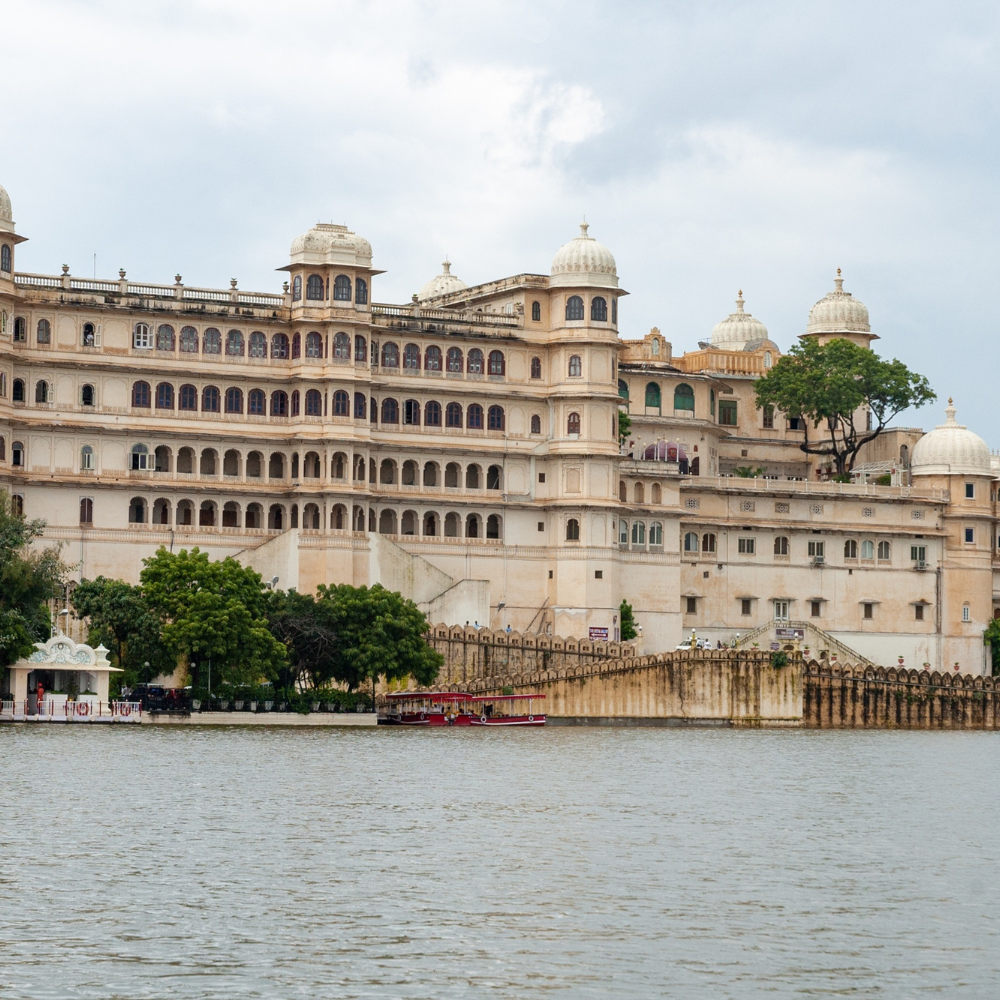
One of my first stops was the magnificent City Palace. This architectural masterpiece stands tall on the banks of Lake Pichola and is one of the largest palace complexes in India.
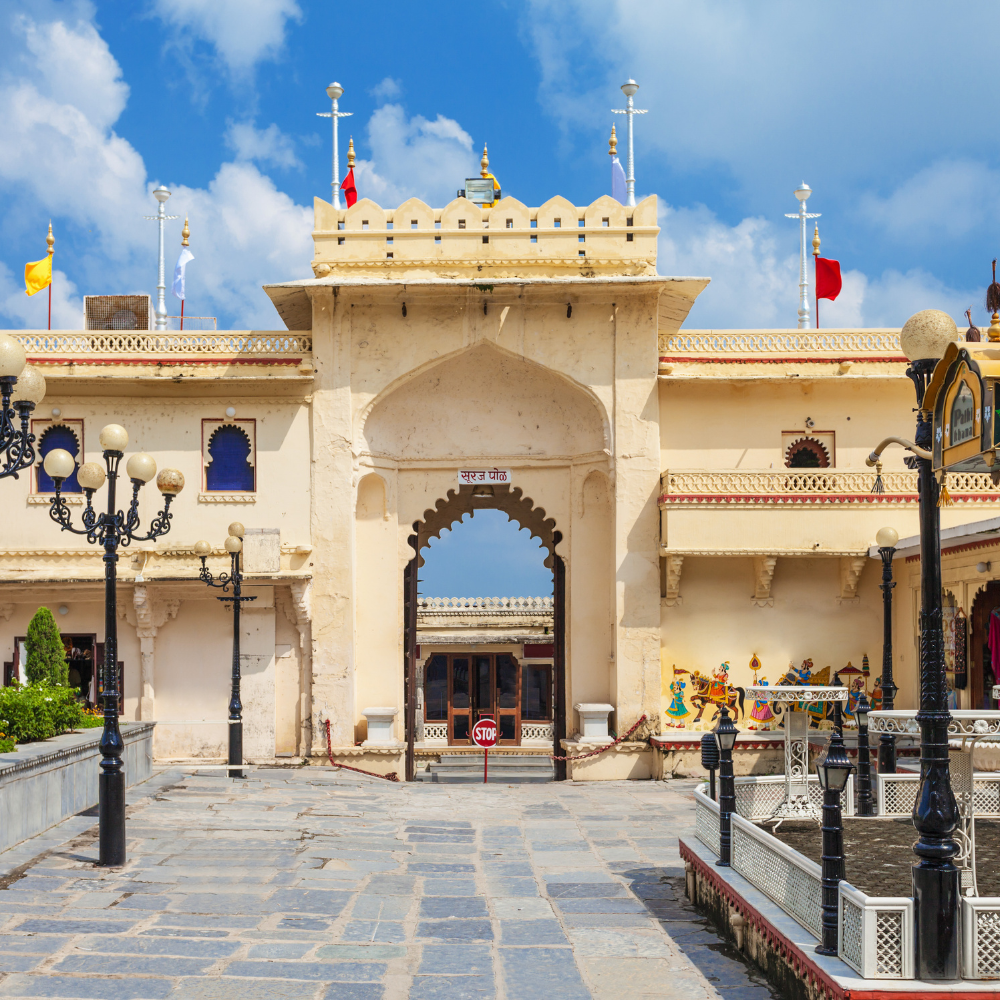
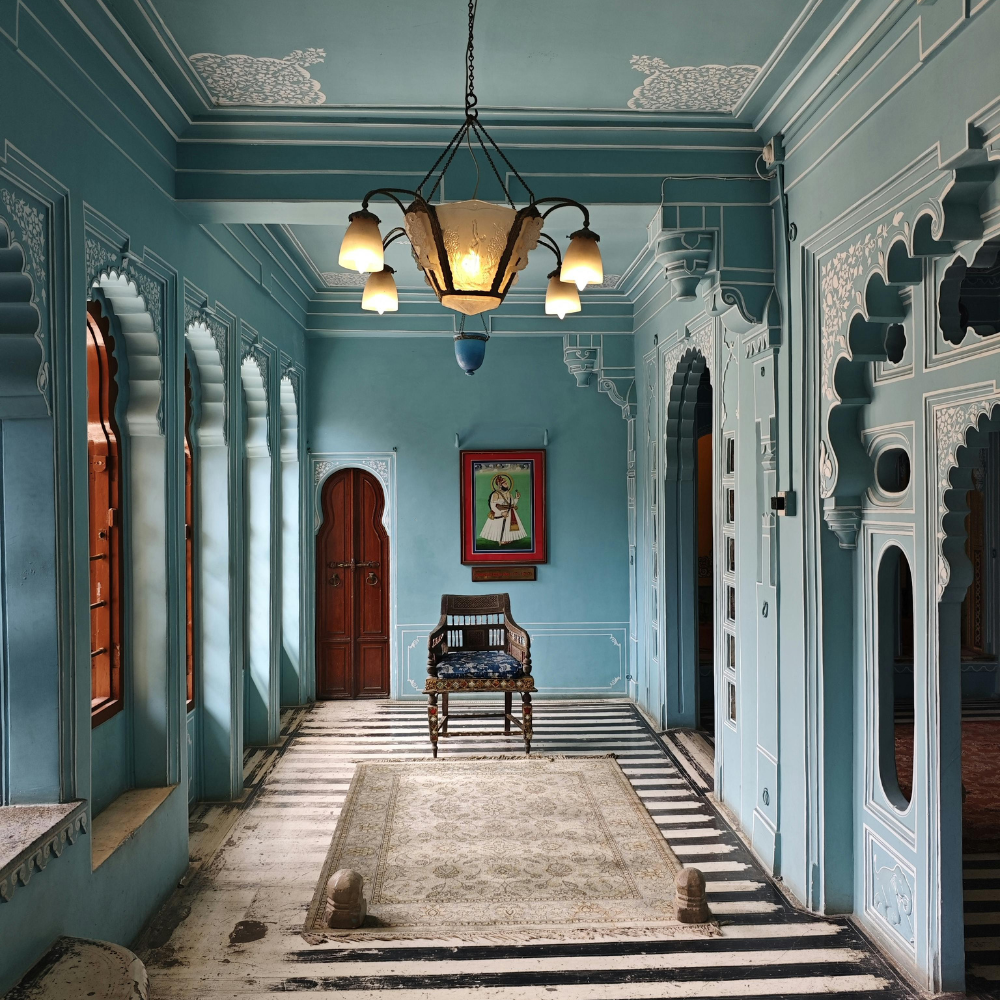
As I walked through its grand courtyards, intricate balconies, and beautifully decorated halls, I could sense the grandeur of the Mewar dynasty. Every corner tells a story—of kings, battles, and royal lifestyles.
The view from the palace is something I will never forget. Looking out over Lake Pichola, with palaces floating in the water and hills surrounding the city, I realized why Udaipur is often called the most romantic city in India.
Lake Pichola – The Soul of Udaipur
If there is one place that defines Udaipur, it is Lake Pichola. I made sure to visit during sunset, and it turned out to be one of the most magical experiences of my journey.
The shimmering water reflecting the golden hues of the sky, the gentle movement of boats, and the calm breeze created a moment of pure peace.
A boat ride here is not just an activity—it’s an experience. As I floated across the lake, I saw the stunning Lake Palace rising like a dream from the water, and the historic Jag Mandir standing gracefully nearby.
These views alone make Udaipur worth visiting.
Fateh Sagar Lake – Where Locals and Travelers Meet
Another place that left a strong impression on me was Fateh Sagar Lake. Unlike Lake Pichola, which feels more royal and touristy, Fateh Sagar has a lively, local vibe.
In the evening, I saw families, couples, and travelers all enjoying the lakeside. Street food stalls added energy to the atmosphere, and the cool breeze made it the perfect place to relax.
As someone who loves observing local life, this spot gave me a deeper connection with the city beyond its monuments.
Sajjangarh – The Monsoon Palace Experience
One of the most breathtaking views I experienced in Udaipur was from Sajjangarh Palace, also known as the Monsoon Palace.
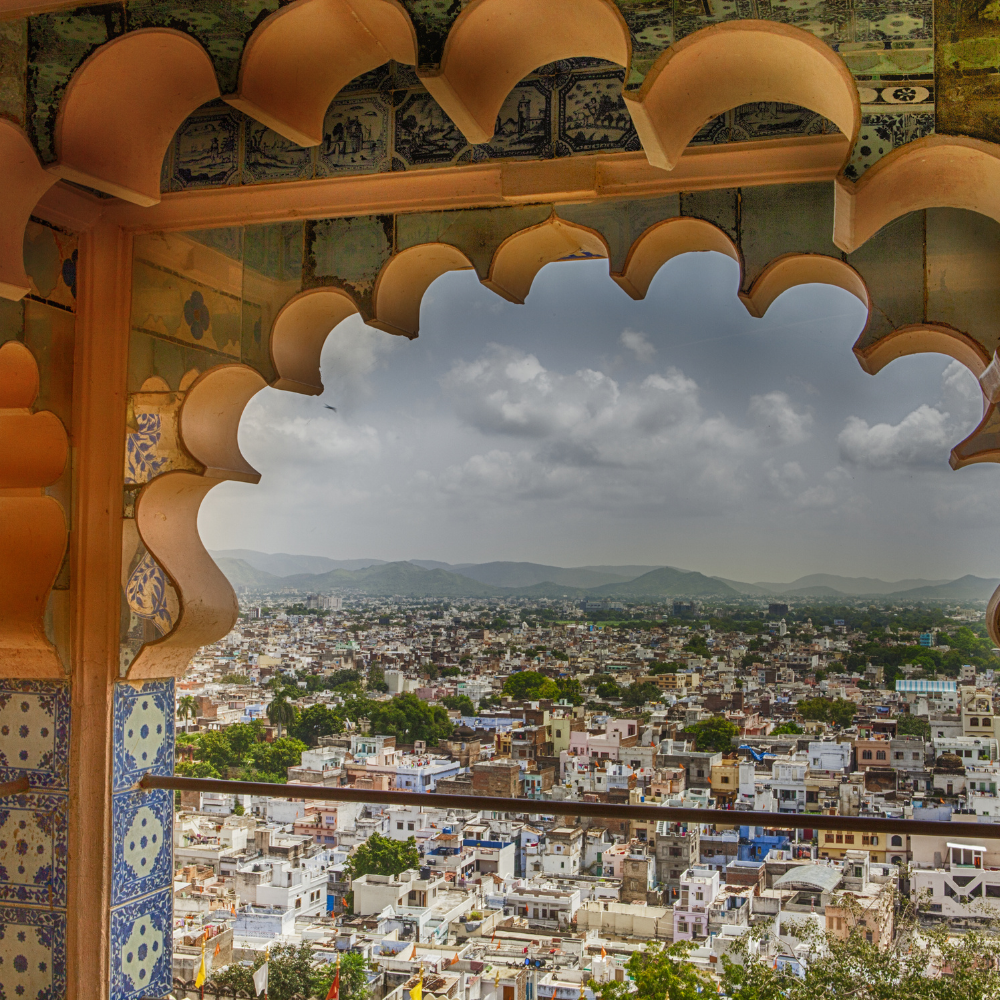
Perched on a hilltop, this palace offers a panoramic view of the entire city, its lakes, and surrounding forests. I visited just before sunset, and the view was simply unforgettable.
Watching the sun slowly disappear behind the Aravalli Hills while the city lights began to glow below felt like a cinematic moment. For any traveler, this is a must-visit spot.
Jagdish Temple – Spiritual Calm in the Heart of the City
In the middle of all the royal architecture and tourist attractions, I found peace at Jagdish Temple.
This ancient temple, dedicated to Lord Vishnu, is known for its detailed carvings and spiritual atmosphere. As I sat quietly inside, listening to the temple bells and chants, I felt a deep sense of calm.
Travel, for me, is not just about seeing places but also about experiencing moments of stillness—and Jagdish Temple provided exactly that.
The Culture – A Living Heritage
What truly sets Udaipur apart is its culture. It’s not something you only see in museums—it’s alive in the streets, markets, and daily life.
I attended a traditional cultural performance at Bagore Ki Haveli, and it was one of the highlights of my trip. The folk dances, music, and storytelling gave me a deeper understanding of Rajasthan’s rich heritage.
The famous “Ghoomar” dance, colorful costumes, and rhythmic music created an atmosphere that was both vibrant and deeply rooted in tradition.
Local Markets – A Shopper’s Delight
No trip to Udaipur is complete without exploring its local markets. I spent hours wandering through Hathi Pol Bazaar and Bada Bazaar.
From handcrafted paintings and traditional jewelry to textiles and souvenirs, these markets are full of unique finds. As someone who enjoys collecting memories in the form of local art, I found these markets incredibly rewarding.
Interacting with local artisans also gave me insight into the craftsmanship that has been passed down through generations.
Food – A Flavorful Journey
Udaipur is not just a visual treat—it’s a culinary delight as well. During my stay, I made it a point to try authentic Rajasthani cuisine.
Dishes like Dal Baati Churma, Gatte ki Sabzi, and Ker Sangri offered rich flavors that reflected the region’s heritage.
What I loved most was dining at rooftop restaurants overlooking the lakes. Enjoying traditional food while watching the city lights reflect on the water created a perfect travel moment.
Why Udaipur is the Best City to Explore
After spending time here, I realized that Udaipur is not just about individual attractions—it’s about the overall experience.
Here’s why I consider it one of the best cities to explore:
1. Perfect Balance of History and Nature
Udaipur combines royal palaces with serene lakes and scenic landscapes.
2. Ideal for All Types of Travelers
Whether you’re traveling solo, with family, or as a couple, the city offers something for everyone.
3. Rich Cultural Experience
From folk performances to local markets, the culture is immersive and authentic.
4. Relaxed and Peaceful Atmosphere
Unlike crowded tourist hubs, Udaipur allows you to truly unwind.
5. Photographic Paradise
Every corner of the city offers stunning visuals, making it a dream destination for photographers.
Best Time to Visit
From my experience, the best time to explore Udaipur is between October and March. The weather is pleasant, making it ideal for sightseeing and outdoor activities.
Monsoon season also has its charm, especially for visiting Sajjangarh Palace, when the surrounding hills turn lush green.
Final Thoughts – A City That Stays With You
As I left Udaipur, I carried more than just photographs—I carried memories of peaceful lakes, royal architecture, vibrant culture, and unforgettable sunsets.
In all my travels, few places have managed to strike such a perfect balance between beauty, history, and emotion. Udaipur is not just a destination you visit—it’s a place you experience deeply.
If you are planning your next journey and want something truly special, I would strongly recommend Udaipur. Because once you explore it, you don’t just remember the city—the city remembers you.